




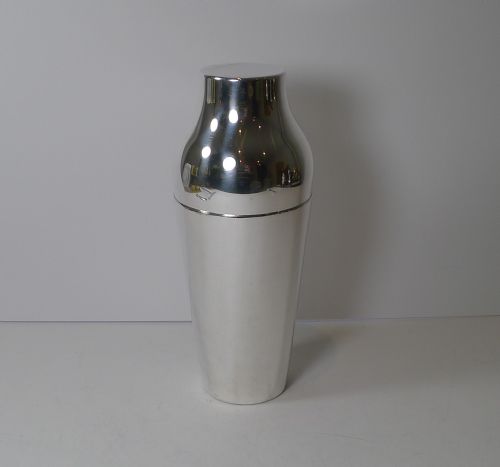


Art Deco Mixer
An art deco mixer brings distinct geometric elegance and period charm to a home bar.
Art Deco Mixer
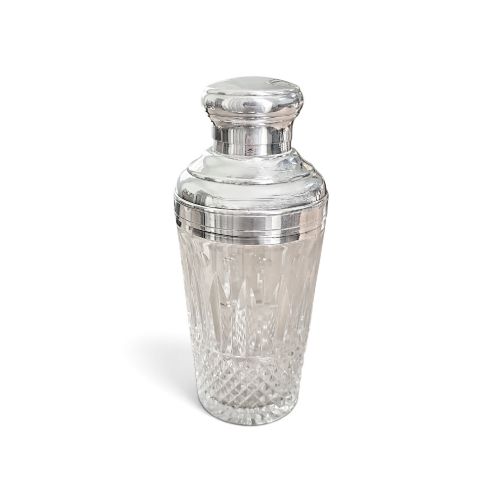
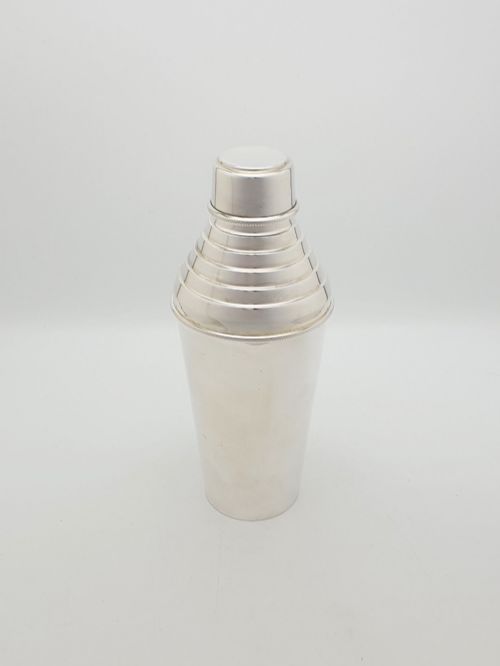
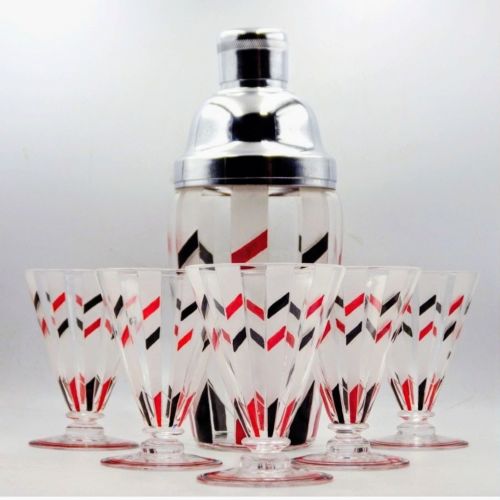
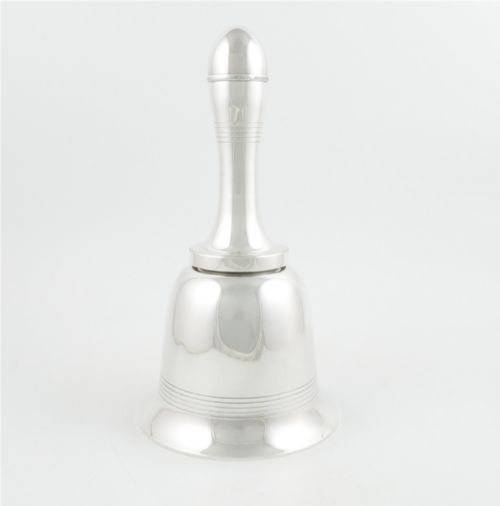
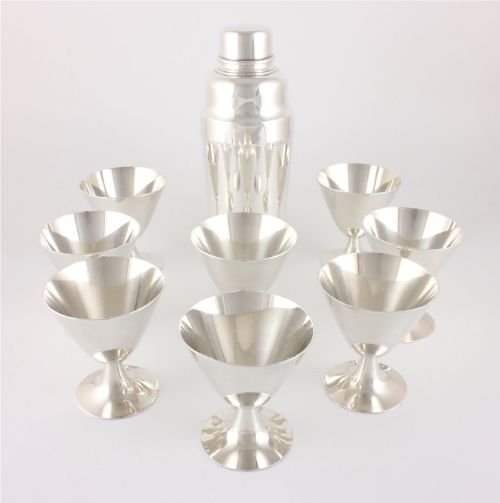
When buyers search for an art deco mixer, they encounter cocktail shakers and barware originating primarily from the nineteen twenties, nineteen thirties, and nineteen forties. These pieces bridge utilitarian bar equipment and high-style decorative art, reflecting the period's fascination with sleek lines and modern luxury.
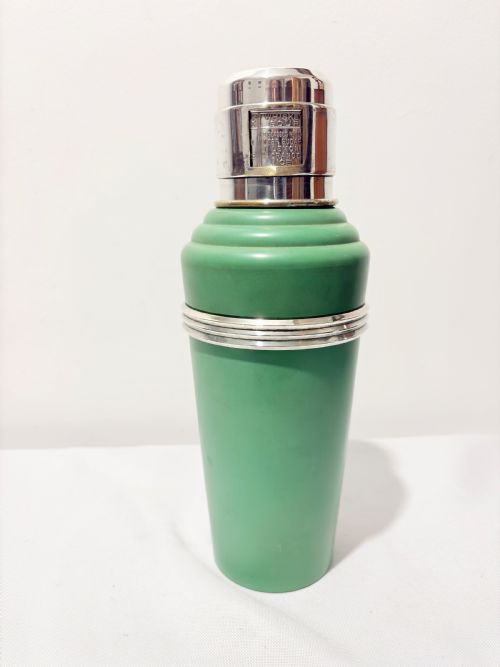
The most common forms on this page are silver plated cocktail shakers, alongside examples incorporating glass, brass, and coloured bakelite. Many feature specialised elements such as integral lemon squeezers, ice breakers, and rolling recipe cylinders.
Geographic origins span English, French, Italian, German, and Swiss makers, demonstrating the international spread of modernist design. Shakers range from compact bachelor sizes to large capacity vessels designed for hospitality.
Materials and Construction
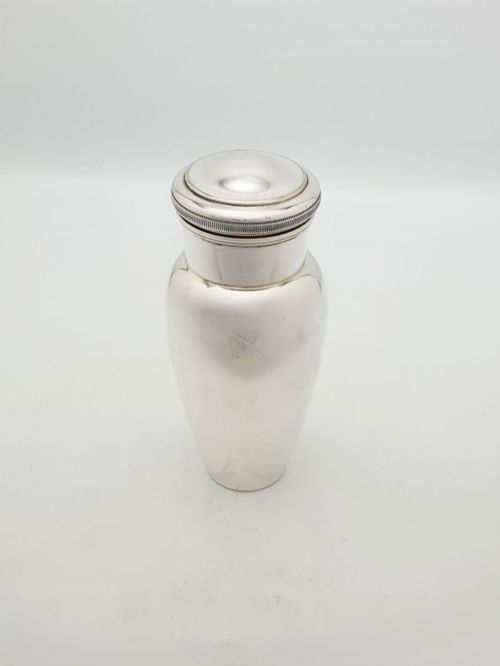
Makers shaped silver plate, electroplated nickel silver, sterling silver, and brass into cylindrical, bullet, and novelty silhouettes. Metal bodies often received surface decoration such as engine turning, hand engraving, or enamel detailing to catch the light.
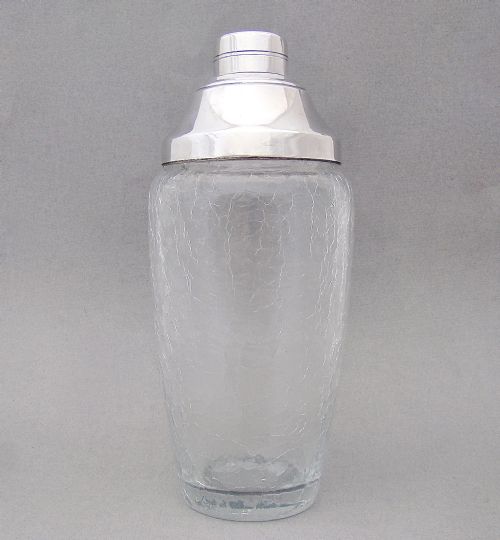
Glass elements, including crackle glass and enamelled bodies depicting subjects like cockerels, were combined with metal mounts and cork stoppers. Internal mechanisms were engineered to incorporate functional additions like revolving recipe rings and citrus squeezers directly into the vessel structure.
Art Deco Mixer Retail Price Guide 2026
Typical asking prices for art deco mixer among the pieces listed under this phrase on Sellingantiques today, from the lower quarter to the upper quarter. They describe what is for sale here now, not the wider market.
Listings feature pieces from the nineteen twenties, thirties, and forties, alongside mid-century examples up to nineteen sixty.
Judging Quality and Distinction
Distinction in an art deco mixer often lies in the weight of the metal and the crispness of the manufacturing execution. Heavier silver-plated gauges and precise engine-turned patterns demonstrate superior workshop standards.
Asprey & Co·Hukin & Heath·James Dixon & Sons·William Suckling·Adie Brothers·Carl Deffner
The Art Deco Mixer Glossary
- Silver Plate
- A base metal coated with a thin layer of silver. This technique allowed manufacturers to produce durable, lustrous barware at a more accessible cost than solid silver.
- EPNS
- Electroplated Nickel Silver. A common base material for twentieth-century tableware and barware, providing a stable foundation for silver plating.
- Engine Turned
- A mechanical decoration technique producing intricate geometric patterns etched into metal surfaces. It was widely utilised on modernist cocktail shakers to create texture.
- Bakelite
- An early form of synthetic plastic used for handles, knobs, and decorative accents. Its presence introduces striking colour contrasts against polished metal.
Art Deco Mixer: Frequently Asked Questions
What materials are art deco mixers made from?
These vessels are predominantly constructed from silver plate, electroplated nickel silver, and sterling silver, often combined with glass bodies. Some examples integrate brass accents, cork stoppers, and coloured bakelite details.
Surface finishes range from polished plain metal to engine-turned geometric patterns and enamelled illustrations.
How do recipe cocktail shakers work?
Recipe shakers incorporate rotating bands or outer sleeves inscribed with cocktail formulas. Users turn the sections to align ingredient lists and proportions.
This mechanical feature allowed hosts to consult drink instructions directly on the vessel during preparation.
Are these shakers suitable for daily use?
While originally designed for mixing drinks, many collectors treat them as decorative display items. The internal silver plating and cork seals require gentle hand washing to preserve the finish.
Using them gently ensures the mechanical recipe rings and integral squeezers remain functional.
How do I identify a piece from this period?
Look for characteristic modernist aesthetics, including streamlined geometric shapes, engine-turned texturing, and utilitarian innovations. Maker marks stamped on the base often indicate the silversmith or manufacturing origin.
Materials like bakelite and specific styles of silver plating point directly to production from the interwar decades.