





Art Deco Metal Case
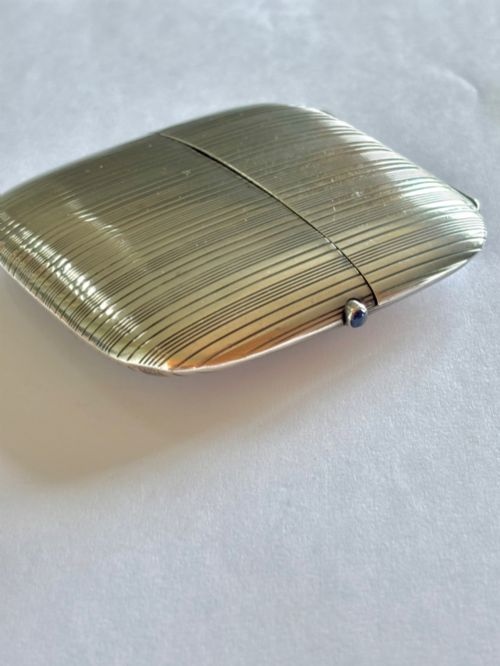
An art deco metal case offers a striking piece of period engineering designed to hold cigarettes, cosmetics or cards.
Art Deco Metal Case
An art deco metal case encompasses functional accessories such as cigarette cases, vanity cases, powder compacts, and card boxes produced during the 1920s, 1930s, and 1940s. These items range from simple aluminium frames and steel display furniture to elaborate silver gilt and enamel combination pieces.
The objects commonly found on this page span continental, German, British, and French origins, reflecting the widespread modernist aesthetic of the interwar period. Buyers frequently encounter cigarette cases, ladies' compacts, and novelty pendants alongside larger furnishing pieces like glazed display cabinets and counters.
Materials and construction
The construction relies heavily on metals such as silver, silver gilt, gilt metal, brass, steel, chrome, and aluminium, often paired with contrasting elements like enamel, glass, leather, and gemstones. Makers utilised precise stamping, machining, and framing techniques to achieve clean modernist lines and structured compartments.
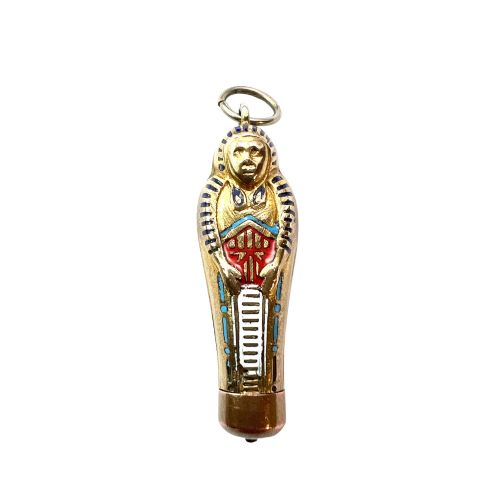
Surface decoration frequently incorporates vibrant enamel panels, blue cabochon stones, and Egyptian Revival motifs, applied to metal bases to create tactile and visually layered accessories.
Art Deco Metal Case Retail Price Guide 2026
Typical asking prices for art deco metal case among the pieces listed under this phrase on Sellingantiques today, from the lower quarter to the upper quarter. They describe what is for sale here now, not the wider market.
A seven day razor set by JH Browne of The Waldorf Hotel proves gentlemen once matched their shaving ironmongery to the days of the week.
Assessing craftsmanship and condition
Quality separates standard production items from exceptional pieces through the precision of the mechanical closures, the integrity of the hinges, and the clarity of hallmarks or maker stamps. Finer examples display meticulous engine-turning, secure gemstone settings, and flawless enamel without chipping.
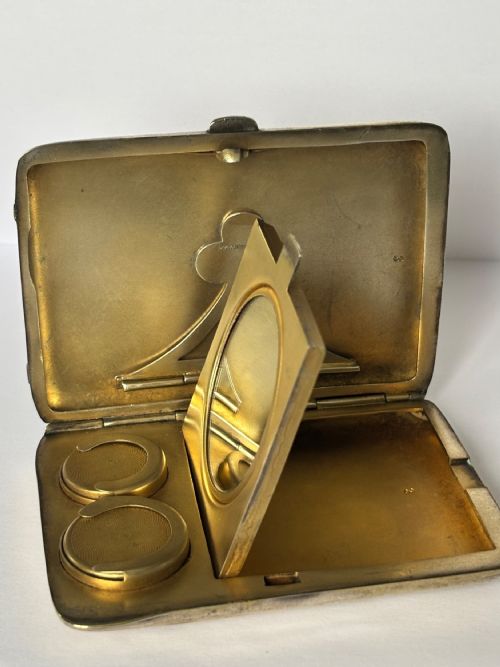
The complexity of the object also dictates its standing, moving from basic aluminium frames to sophisticated combination cases integrating sovereign holders, card trays, and mirrors.
William Adams Ltd·Richard Hudnut·St. Medard·JH Browne
The Art Deco Metal Case Glossary
- Silver gilt
- Silver that has been coated with a thin layer of gold on the surface. This technique provides the rich appearance of solid gold while utilising a silver base.
- Cabochon
- A gemstone shaped and polished rather than faceted into flat planes. They typically feature a smooth, rounded top and a flat base.
- Engine-turning
- A mechanical decoration method used to engrave intricate geometric patterns onto metal surfaces. It adds texture and reduces the visibility of fingerprints.
- Compact
- A small portable case containing a mirror and face powder. Many art deco examples also integrate compartments for cards or cigarettes.
- Egyptian Revival
- A style of decoration drawing inspiration from ancient Egyptian art and architecture. It gained widespread popularity following major archaeological discoveries in the early twentieth century.
Art Deco Metal Case: Frequently Asked Questions
What fits inside an art deco metal case?
These cases were originally built for specific daily items of the interwar period, including loose cigarettes, calling cards, paper currency, and facial powder.
Many survive as combination pieces designed to hold multiple items simultaneously, such as sovereign coins, cards, and compact mirrors.
How do I clean an antique metal case?
Maintenance depends entirely on the specific metal and whether enamel or gemstones are present on the surface. Silver and gilt surfaces require gentle polishing with a soft cloth to avoid removing the plating.
Pieces with enamel or leather elements should be kept dry and free from abrasive cleaning agents to preserve the original finish.
Are these cases marked with hallmarks?
Many silver and silver gilt examples feature official hallmarks indicating the metal purity, assay office, and year of manufacture. Continental pieces often display standard purity marks such as .900 silver.
Maker marks and registration numbers also appear on the interior rims or bases of specific compacts and cigarette boxes.
How can I distinguish 1920s pieces from 1940s items?
Items from the 1920s frequently display vibrant Egyptian Revival influences and colourful enamel work, aligned with early modernist shifts. Pieces from the 1940s, such as those marked by wartime British hallmarks, often reflect more utilitarian constraints or heavier structural forms.
Examining the specific manufacturing techniques and accompanying maker stamps helps narrow down the production era.