


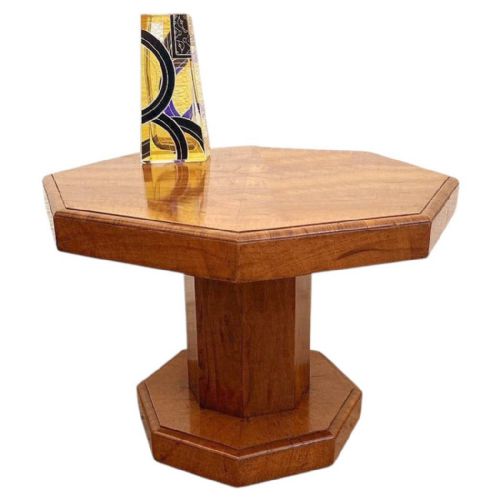


Art Deco Low Coffee Table
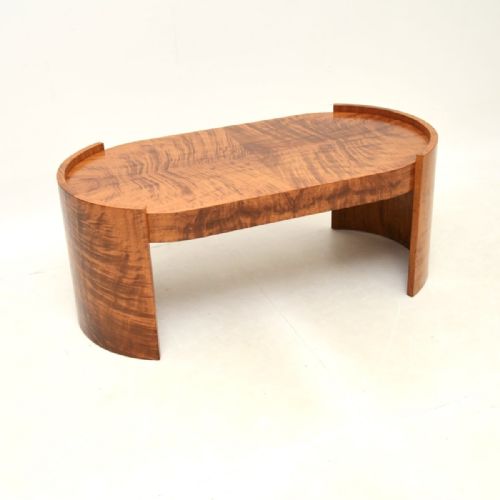
An art deco low coffee table brings distinct geometric form and rich grain to a room, offering a practical surface with period character.
Art Deco Low Coffee Table
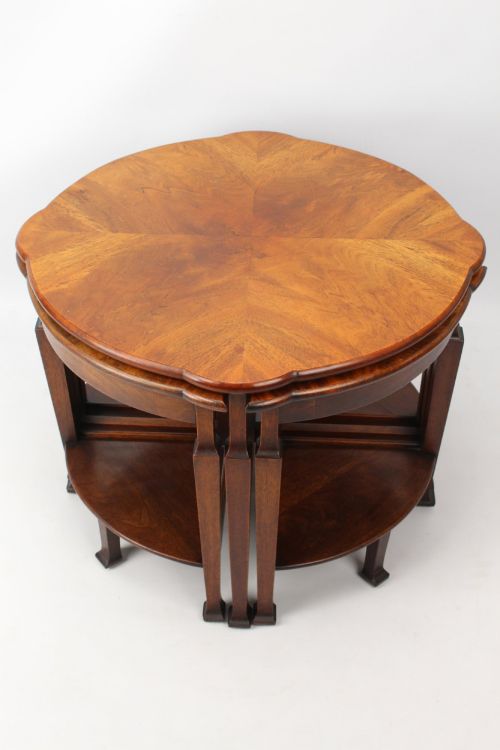
An art deco low coffee table is a functional surface designed for the lounge, often taking the form of a coffee table, occasional table, side table, or nest of tables. These pieces emerge predominantly from the 1920s, 1930s, and 1940s, embodying the distinct design sensibilities of those decades.
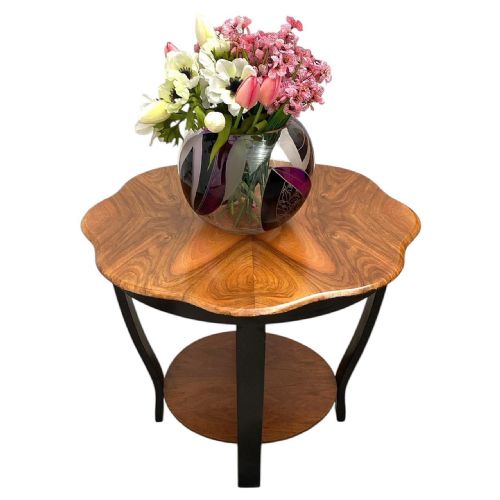
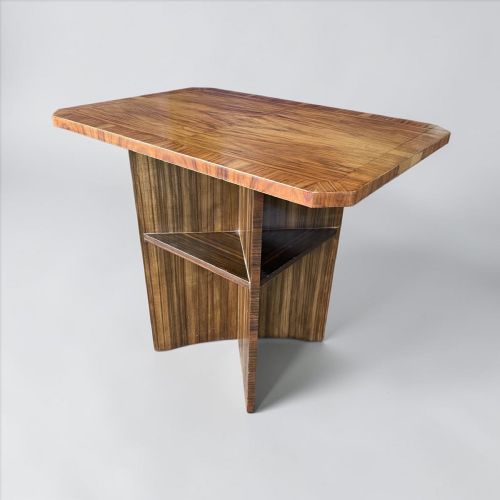
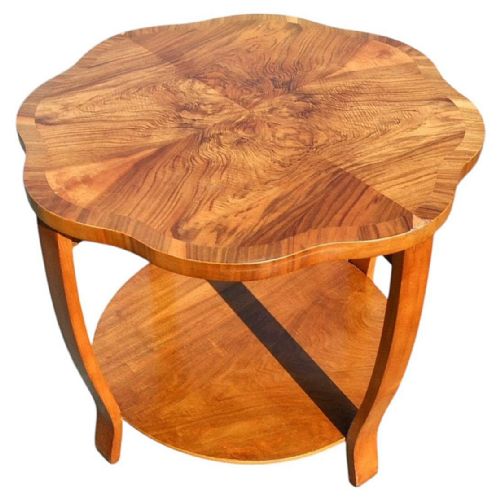
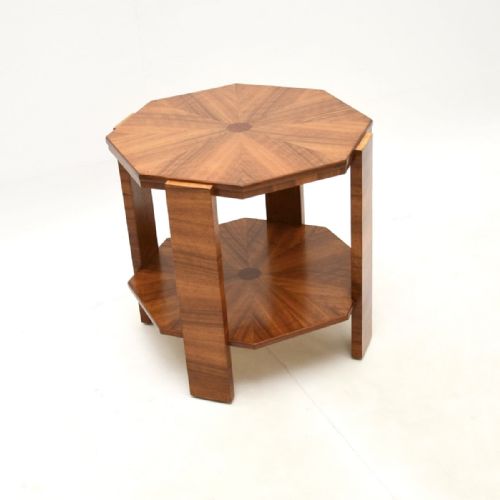
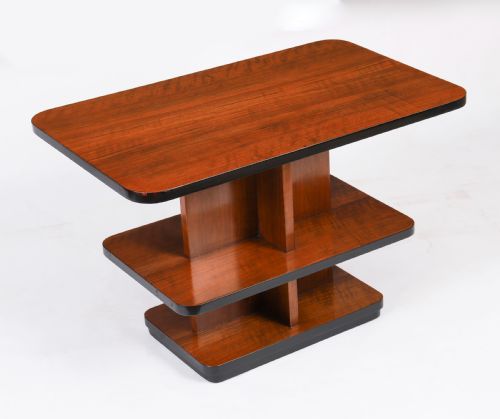
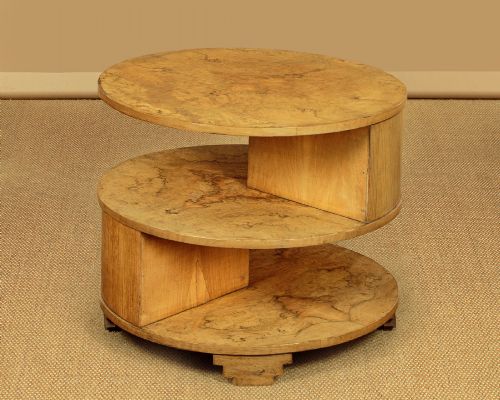
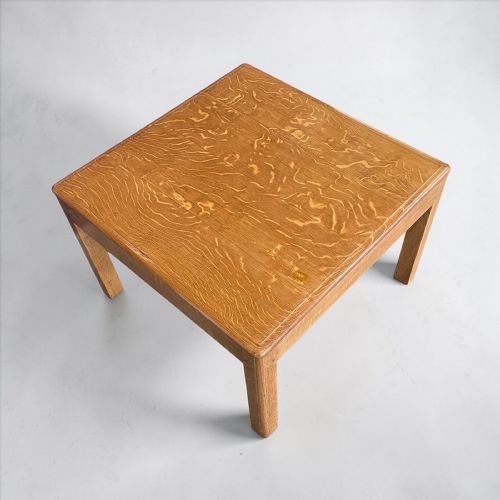
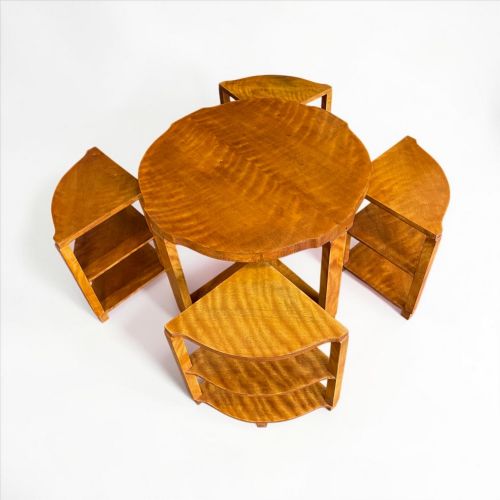
Buyers will most frequently encounter walnut and walnut veneer variations on this page, alongside examples rendered in oak, burr walnut, and glass. The forms range from simple single-tier platforms to two-tier configurations, square shapes, and multi-part nests.
Originating from English, French, and Scandinavian workshops, these tables integrate smoothly into modern and traditional interiors alike. The primary attraction lies in the combination of low proportions and pronounced figuring in the timber.
How they were made
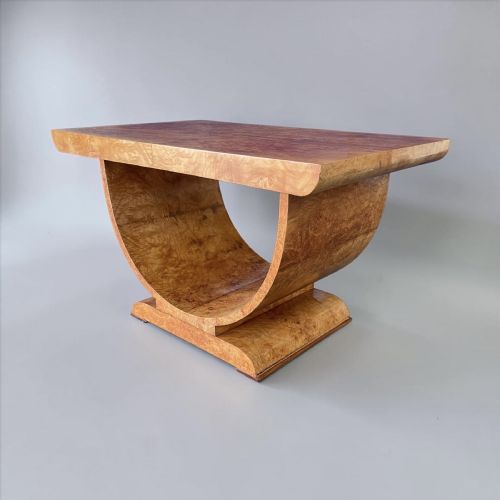
Cabinetmakers utilised timber veneers, notably burr walnut, burr maple, satin birch, and rosewood, applied over solid structural cores to create striking symmetrical grain patterns on the top surfaces. Ebonised wood, oak, and blonde oak also provided sturdy frameworks and contrasting borders.
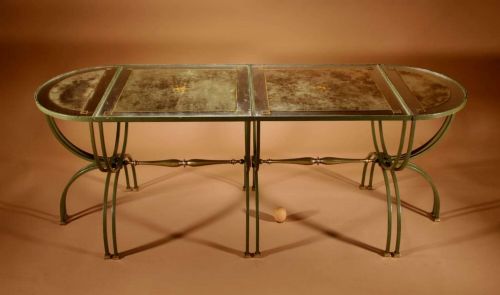
Selected pieces incorporate glass tops supported by wrought iron and brass, particularly in French examples, introducing mixed media elements to the design. Construction techniques focus on clean lines, tiered structures, and pedestal bases that showcase the natural qualities of the materials.
Art Deco Low Coffee Table Retail Price Guide 2026
Typical asking prices for art deco low coffee table among the pieces listed under this phrase on Sellingantiques today, from the lower quarter to the upper quarter. They describe what is for sale here now, not the wider market.
The site listings feature oak, walnut, burr walnut, burr maple, satin birch, glass, brass, and wrought iron across pieces dated to the 1920s, 1930s, and 1940s.
What varies in quality
The sophistication of the timber veneer selection dictates much of the visual distinction across these tables, with highly figured burr walnut and satin birch sitting at a different level of decorative ambition from plain oak. The complexity of the construction, such as multi-tier designs, nested sets, or integrated brass and wrought iron framework, also marks out more ambitious studio output.
Attribution to documented makers and specific regional styles, such as Swedish Grace or defined French workshops, introduces another layer of distinction. The coherence of the proportions and the precision of the joinery complete the separation between standard production pieces and exceptional workshop examples.
Betty Joel·Heal s·Majorelle·Waring and Gillow·C W Burns
The Art Deco Low Coffee Table Glossary
- Burr walnut
- A thin slice of wood taken from the burl or growth on a walnut tree, prized for its swirling, highly figured grain patterns. It is frequently utilised on the top surfaces of tables from this period.
- Two tier
- A table configuration featuring an upper surface and a lower shelf separated by vertical supports. This design offers additional storage space while maintaining a low profile.
- Ebonised
- Wood treated with a finish to give it the dark, dense appearance of ebony. It is often employed to create stark contrasts against lighter veneers.
- Nest of tables
- A set of graduated tables designed to fit neatly beneath one another when not in use. They provide flexible surface space in compact sitting rooms.
Art Deco Low Coffee Table: Frequently Asked Questions
What periods do these tables date from?
The listings span the 1920s, 1930s, and 1940s, capturing the height of the design movement. Most examples date specifically from the 1930s.
Production during these decades relied on distinct regional styles, ranging from English walnut designs to Scandinavian birch and French mixed-media pieces.
How were these tables used originally?
They served as low surfaces in reception rooms and lounges for holding drinks, reading material, or decorative objects. Nested versions and two-tier designs provided adaptable surface area for entertaining.
Their low profile was specifically conceived to suit contemporary seating arrangements of the period, departing from taller Victorian formats.
What materials are most common?
Walnut and walnut veneer appear most frequently, often selected for their rich brown tones and prominent grain. Burr walnut and burr maple provide highly decorative alternatives with swirling patterns.
Other examples utilise oak, blonde oak, satin birch, glass, brass, and wrought iron depending on the regional origin and style.