



Art Deco Iron Table
An art deco iron table brings robust metalwork and geometric grace into a room, offering both sturdy utility and striking period design.
Art Deco Iron Table
An art deco iron table combines the industrial strength of forged or cast metal with the distinct aesthetic of the interwar period. These pieces emerge from the nineteen twenties, nineteen thirties, and nineteen forties, capturing an era of bold experimentation in interior design.
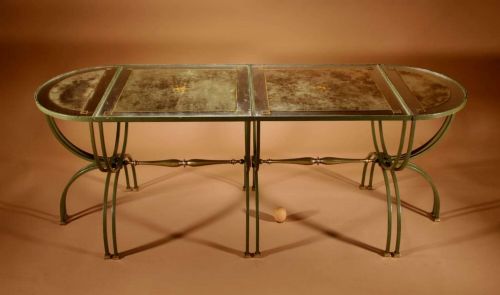
The form varies across the listings, appearing as sturdy café table bases, low coffee tables, and garden sets designed for practical use. French makers frequently paired wrought iron frameworks with transparent or coloured glass tops to create lighter visual silhouettes.
Surviving examples demonstrate how metalwork adapted to both domestic interiors and outdoor spaces during the height of the modernist movement. Buyers encounter everything from heavy cast iron patio settings to refined coffee tables featuring brass highlights.
Construction and materials
Makers utilised both wrought iron and cast iron to build the primary structural frames, often bending and welding the metal into characteristic geometric curves. These techniques allowed artisans to achieve both delicate scrolling patterns and heavy, load-bearing pedestals.
Art Deco Iron Table Retail Price Guide 2026
Typical asking prices for art deco iron table among the pieces listed under this phrase on Sellingantiques today, from the lower quarter to the upper quarter. They describe what is for sale here now, not the wider market.
Materials appearing across the inventory include wrought iron, cast iron, brass, paint, and opalescent glass.
Judging the quality
The refinement of the metalwork largely dictates the distinction between standard production items and superior pieces. Hand-forged wrought iron displays careful shaping at the joints and clean lines that reveal the artisan's hand, unlike rougher mass-produced castings.
The integration of secondary materials such as brass fittings and original glass components elevates the overall standard of a piece. Original surfaces and retained paint finishes hold greater authenticity than later modern restorations.
Hawkins·Lacroix·Lalique·Schneider
The Art Deco Iron Table Glossary
- Wrought iron
- Tough, malleable iron that is heated and hammered into shape by hand. This material allows for intricate scrollwork and strong structural frames.
- Cast iron
- Iron poured into a mould to create solid, heavy forms. It provides exceptional stability for table bases and garden furniture.
- Opalescent glass
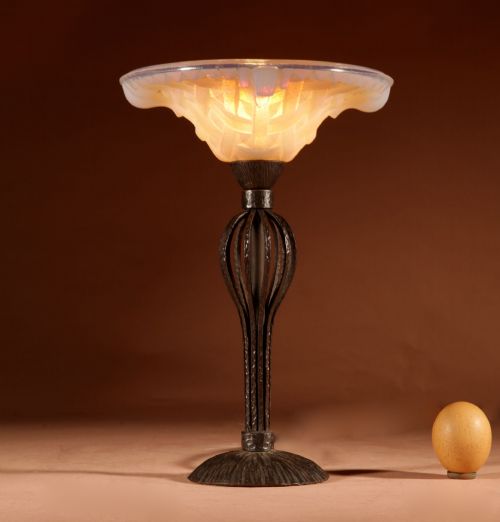
- Milky glass that diffuses light and displays a pearlescent sheen. It was frequently utilised in decorative lamp shades and table inserts during the period.
- Art Deco
- The dominant design style of the nineteen twenties and nineteen thirties characterised by sleek lines and geometric motifs. It influenced architecture, furniture, and decorative metalwork across Europe.
Art Deco Iron Table: Frequently Asked Questions
How do I clean an art deco iron table?
Dust the iron framework regularly with a soft, dry cloth to prevent the accumulation of dirt. Avoid harsh chemical cleaners that might strip original paint or damage associated glass components.
Apply a light microcrystalline wax to wrought iron surfaces if protection against moisture is required. Handle glass inserts separately using standard glass cleaner without letting liquids seep into metal joints.
Were these tables meant for indoor use?
Many designs served indoor spaces as coffee tables or accent pieces, utilising refined brass and glass combinations. Other heavier items, such as cast iron patio sets and café bases, were built specifically for garden and commercial hospitality use.
Reviewing the construction weight and material finish usually clarifies the intended environment. Enamelled glass and delicate ironwork suit sheltered rooms, whereas robust cast iron withstands outdoor placement.
How can I date an art deco iron table?
Dating relies on stylistic markers and manufacturing techniques associated with the nineteen twenties, thirties, and forties. Early examples from the nineteen twenties often display heavier castings and traditional forging methods.
Later pieces from the nineteen thirties and forties introduce sleeker modernist lines and different glass treatments. Comparing the structural joints and material combinations helps place the piece within this twenty-year span.
Are glass tops usually original to these tables?
Many surviving tables retain their original glass panels, which may show period-appropriate surface wear or specific opalescent qualities. Replacement glass is sometimes fitted when the original top has broken over decades of use.
Examining the edges and thickness of the glass helps determine whether it matches the period of the iron base. Original glass often integrates seamlessly with the specific rebate or frame dimensions.