





Art Deco Head Sculpture
These art deco head sculpture pieces capture the striking portraits and stylized features characteristic of early twentieth-century design.
Art Deco Head Sculpture
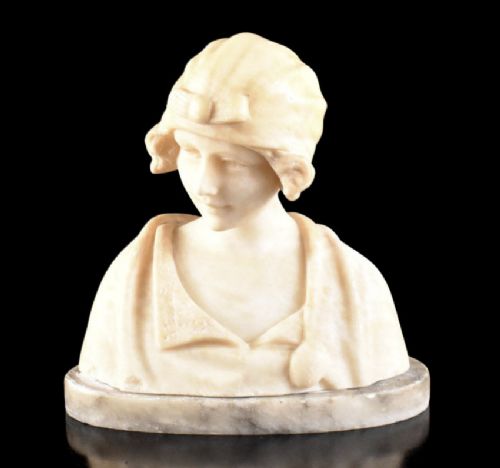
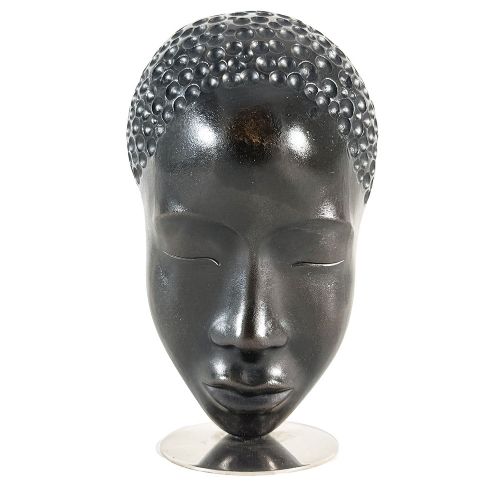
When you search for an art deco head sculpture, you encounter a striking array of portraits and busts rendered in distinct twentieth-century styles. The most common examples on this page date from the 1920s and 1930s, reflecting the global reach of the movement through Balinese, Modernist, and European interpretations.
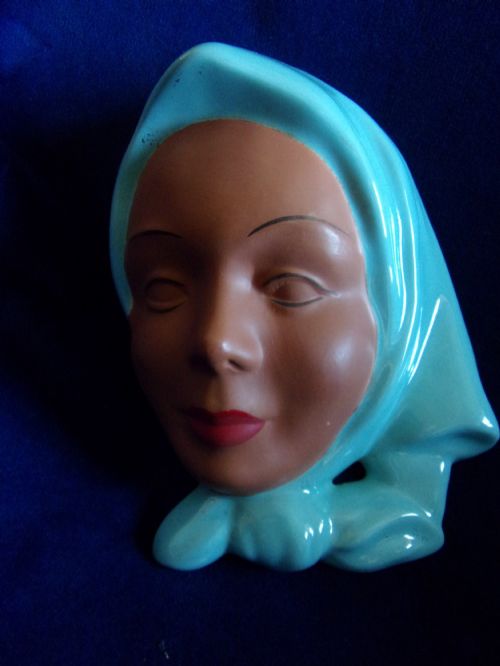
The forms range from wall masques and freestanding busts to functional bookends and automotive car mascots. Materials shift from terracotta and plaster to cast bronze and moulded glass, capturing everything from local sitters to exotic dancers.
Pieces span from intimate figurines to substantial carved wooden and marble portraits. Whether mounted on stands or designed as wall sculptures, each item presents a focused study of the human head.
Materials and construction
Glass artisans employed moulding and frosting techniques, particularly seen in automotive mascots produced in the late nineteen-twenties. Paint was frequently applied over plaster or carved wood to enhance the decorative surface finish.
Art Deco Head Sculpture Retail Price Guide 2026
Typical asking prices for art deco head sculpture among the pieces listed under this phrase on Sellingantiques today, from the lower quarter to the upper quarter. They describe what is for sale here now, not the wider market.
Listings feature works spanning from the 1880s through the Edwardian era into the 1920s and 1930s.
Factors determining quality
Quality rests in the precision of the carving or casting and the expressiveness of the facial portrait. Signed works by documented sculptors and established glassmakers demonstrate superior artistic execution compared to anonymous workshop pieces.
The choice and handling of material dictate the refinement of the object, from finely detailed moulded glass to expertly turned hardwood and cast bronze. Preservation of original painted surfaces and patination also distinguishes finer examples.
Eugene Canneel·Rene Lalique·Gilbert Privat·Laszlo Hoenig·Bohumil Rezl
The Art Deco Head Sculpture Glossary
- Car mascot
- A decorative ornament mounted on the radiator cap of a motor car. These items were popular in the interwar period and often fashioned from moulded glass.
- Terracotta
- Fired clay used extensively for sculptural busts and figures. It provides a warm, porous surface that is frequently painted or left in its natural earthy state.
- Wall masque
- A decorative sculptural relief designed to be hung directly on a wall. These pieces typically depict a human face or theatrical mask.
- Patina
- The surface sheen or coloration developed on metal, wood, or bronze over time through age and handling. It serves as an indicator of original finish and authenticity.
Art Deco Head Sculpture: Frequently Asked Questions
How were glass car mascots used?
Glass car mascots were mounted on the radiator caps of motor vehicles during the 1920s and 1930s. They served as personalised ornaments for motorists before falling out of favour.
Today, these frosted and moulded glass pieces are collected as sculptural desk objects or cabinet displays. Their translucent qualities make them particularly striking when lit.
Where should I place a wall masque?
A wall masque is designed to be hung securely on a vertical surface as a focal point in a room. They work well in entrance hallways, living spaces, or studies where sculptural depth is desired.
Ensure the wall fixing supports the weight of the ceramic, plaster, or terracotta plaque. Positioning them away from direct heat sources protects any original painted finishes.
How do I identify the period of a bust?
Dating relies on the stylistic markers of the sculpture, such as 1920s and 1930s garment designs, hairstyles, and modernist facial geometries. Signatures, foundry marks, and material choices also provide clues to the era of production.
Comparing the manufacturing technique against known historical periods helps narrow down the date. Edwardian and earlier Victorian pieces often display softer, more traditional naturalist details compared to later geometric designs.