





Art Deco Head Bust
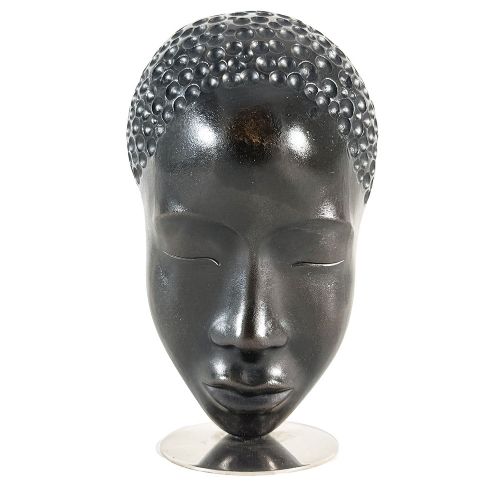
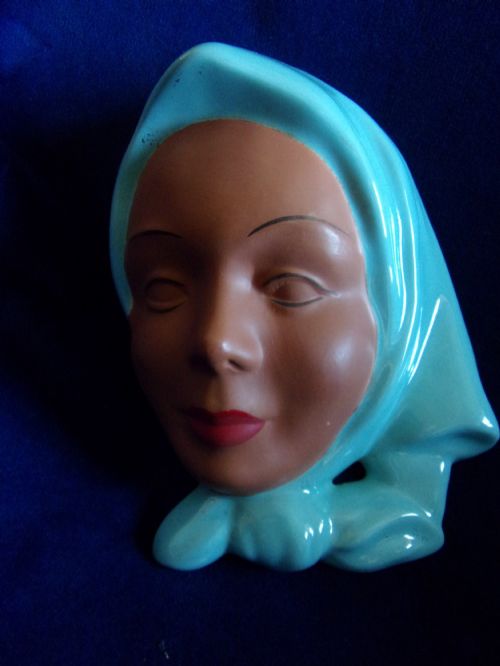
These art deco head bust pieces capture stylish figures in bronze, wood and terracotta, bringing striking vintage character directly to your shelf.
Art Deco Head Bust
An art deco head bust captures the stylized profiles and geometric elegance popular across the early twentieth century, spanning wall masques, bookends and shop displays. You will most frequently encounter pieces originating from the nineteen-thirties, ranging from ceramic figurines to large carved wooden dancers.
The selection extends beyond standard portraiture into commercial advertising and decorative objects, including shop display mannequins and pin cushion dolls. While the dominant aesthetic follows the nineteen-twenties and nineteen-thirties, influences stretch from Balinese subjects to European modernism.
Forms vary significantly in scale and utility, functioning equally as standalone sculptures or functional objects like bookends. Materials shift from traditional marble and terracotta to painted plaster and cast bronze, reflecting both domestic display and retail use.
How They Were Made
Carved wooden examples utilise hardwoods shaped by hand, capturing the dynamic posture of subjects like Janger dancers or the clean lines of animal sculptures. Plaster works offered a more accessible medium, cast in moulds and subsequently painted to simulate heavier materials.
Art Deco Head Bust Retail Price Guide 2026
Typical asking prices for art deco head bust among the pieces listed under this phrase on Sellingantiques today, from the lower quarter to the upper quarter. They describe what is for sale here now, not the wider market.
Listings span from eighteen-eighty plaster works to nineteen-thirties modernist ceramics, featuring materials like hardwood, terracotta, bronze and marble.
What Varies in Quality
Material integrity heavily influences the standard of a piece, with heavy cast bronze or dense hardwoods retaining sharper definition over time than painted plaster or composite materials.
Hagenauer·Gilbert Privat·Laszlo Hoenig·V Ramirez·Bohumil Rezl·Fasold And Stuach·William Goebel
The Art Deco Head Bust Glossary
- Art Deco
- A design style characterised by sleek lines, geometric shapes and stylised representations of human and animal forms. It dominated decorative arts through the nineteen-twenties and nineteen-thirties.
- Wall Masque
- A decorative sculptural relief designed specifically to be hung on a wall. These pieces typically depict human faces in dramatic or stylised poses.
- Pin Cushion Doll
- A small ceramic half-doll top attached to a cushioned base used for sewing pins. They often feature elaborate hairstyles and distinct period facial expressions.
- Terracotta
- A porous fired clay used widely for sculptural busts and figures. It permits fine modelling before being fired and sometimes painted.
- Mannequin
- A full or partial figure used historically for displaying garments in shop windows or counters. Countertop versions from the interwar period are particularly collectible.
Art Deco Head Bust: Frequently Asked Questions
Where were these busts displayed originally?
Many of these pieces served commercial purposes as countertop shop displays and advertising mannequins in boutiques during the interwar period. Others functioned purely as domestic ornaments, placed on mantelpieces or integrated into library shelving as bookends.
Domestic versions were designed to complement contemporary interior schemes, while shop display models aimed to catch the eye of passers-by with striking modernist aesthetics.
How do I distinguish between plaster and terracotta?
Plaster is a softer, lighter material that feels chalky to the touch and chips relatively easily, whereas terracotta is a dense, fired clay with greater weight and a resonant sound when tapped gently.
Examining the underside or any unpainted area usually reveals the porous, reddish-brown body of clay or the smooth, white composition of plaster.
Are these pieces purely decorative?
While most function as standalone sculptures or wall masques, several examples double as functional items such as heavy bookends or sewing accessories like pin cushion dolls.
Shop display figures and mannequins served an active commercial role in retail environments before transitioning into collectible display objects.
What influences besides European design appear?
Makers incorporated global motifs, notably Balinese and Indonesian art forms, reflecting a wider fascination with international performance and culture during the interwar decades.
Works depicting dancers from specific regions combine traditional European moulding techniques with distinct regional costume and posture.