



Art Deco Gold Earrings
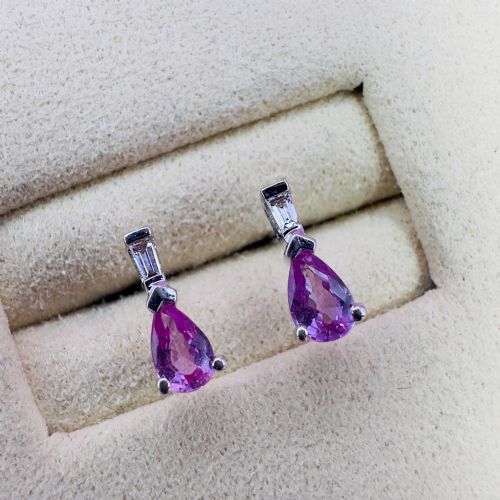
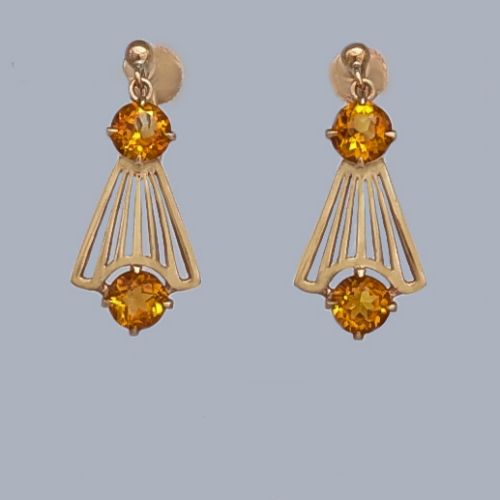
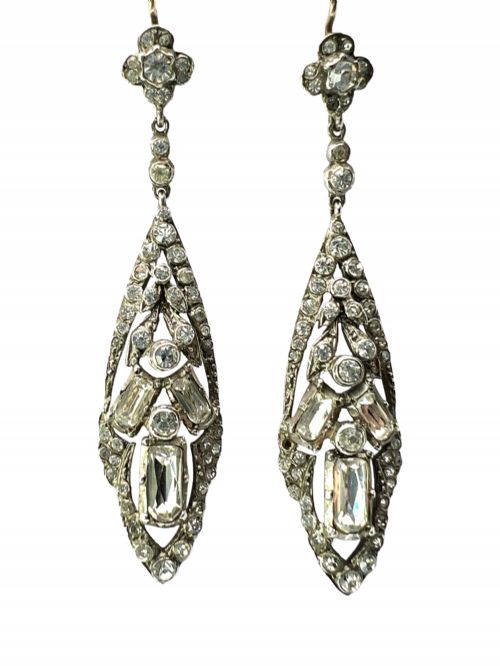
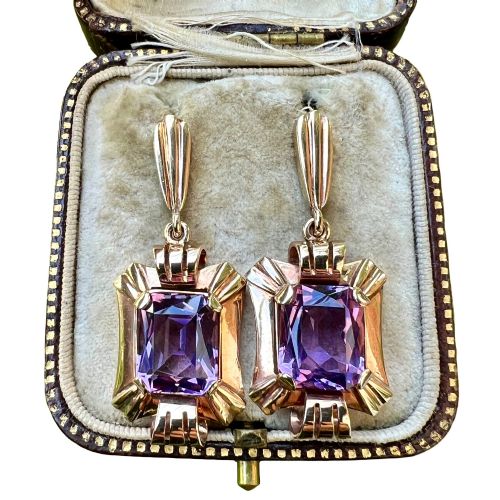
These art deco gold earrings combine geometric precision with precious stones, offering a wearable piece of 1920s and 1930s design.
Art Deco Gold Earrings
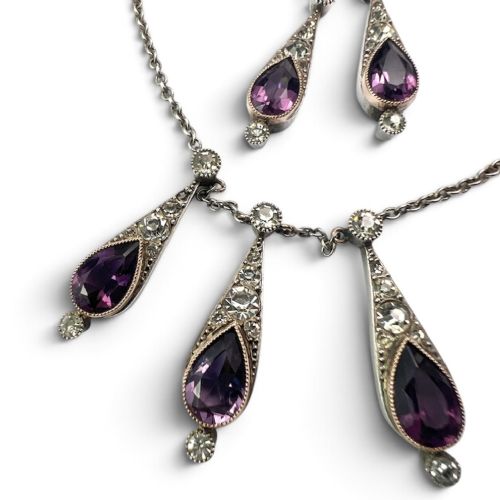
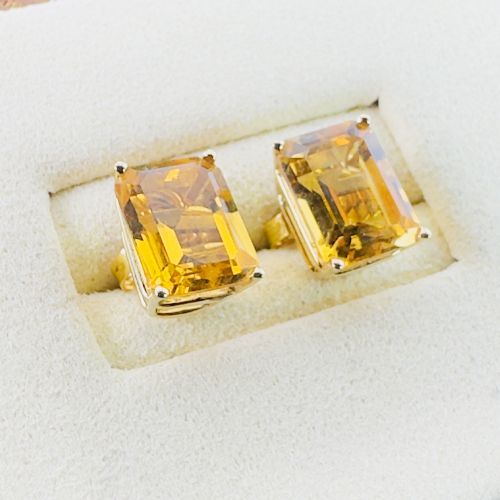
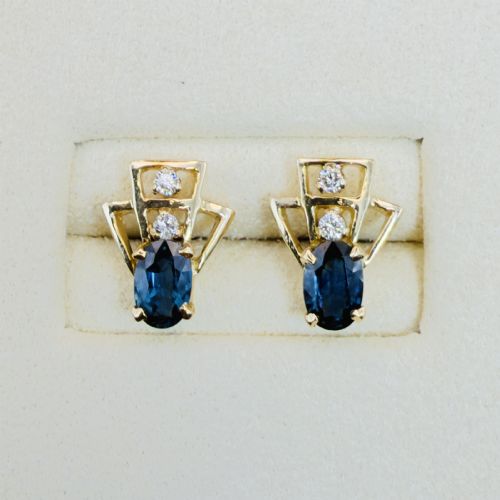
When buyers search for art deco gold earrings, they encounter drop designs, cluster studs, and clip-on styles originating primarily from the 1920s and 1930s, alongside later revivals. The surviving pieces frequently pair 18ct white gold or yellow gold with geometric arrangements of diamonds, sapphires, jade, and onyx.
The selections available range from delicate 9ct gold pearl drops to platinum-topped diamond cluster earrings set with emeralds, rubies, or aquamarines. Common configurations include dangle drop earrings, screwback studs, and lever-back fasteners typical of the period's diverse hardware.
How they were made
The construction of these pieces relies heavily on 18ct white gold and platinum settings designed to showcase old cut, rose cut, and baguette diamonds without heavy metal borders. Goldsmiths utilised fine millegrain edges and openwork galleries to maximise the play of light through central gemstones.
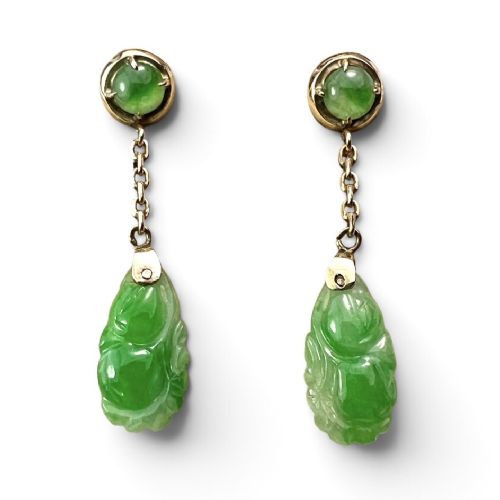
Coloured stones such as jade, onyx, aquamarine, and carnelian were meticulously carved into cabochons, teardrops, and geometric plaques, then secured with claw settings or integrated into chain drop frameworks.
Some earrings feature clever 'Night & Day' convertible designs, letting wearers detach the long dangled drops to leave a simple stud for daytime errands.
What varies in quality
Workmanship in the gallery and the retention of original fittings, such as screwbacks or clip-on mechanisms, also determine the overall standard of preservation and collectible merit.
Liberty and Co
The Art Deco Gold Earrings Glossary
- Millegrain
- A decorative technique featuring a row of tiny raised metal beads along the edge of a setting. This detail softens the transition between metal and stone while adding texture.
- Old Cut
- A precursor to the modern brilliant cut diamond, characterised by a smaller table, higher crown, and a noticeable culet facet at the base. These stones were cut by hand to catch candlelight.
- Screwback
- A type of earring fastening featuring a threaded post and a small rotating nut used to adjust tension on the earlobe. This mechanism was standard for non-pierced ears during the period.
- Cabochon
- A gemstone shaped and polished with a smooth, rounded convex surface rather than faceted. This cut is frequently applied to opaque stones like jade, onyx, and opal.
- Baguestte
- A rectangular cut of diamond or coloured gemstone with straight parallel sides, used primarily as accent stones to frame central clusters.
Art Deco Gold Earrings: Frequently Asked Questions
How do I wear screwback earrings?
Screwback earrings feature a threaded post where a small threaded disc adjusts against the back of the lobe to hold the piece securely in place without requiring pierced ears.
Adjustment requires turning the small nut gently until the earring rests comfortably against the skin without pinching.
Are these earrings for pierced ears?
Many examples from this period utilise screwback or clip-on mechanisms designed for non-pierced lobes, reflecting the prevailing jewellery fashions of the 1920s and 1930s.
Other configurations feature standard posts or lever-backs suited for modern pierced ears, meaning buyers should check the specific fastening type listed for each pair.
What is white gold art deco jewellery?
White gold during the art deco era provided a bright, reflective metal base that mimicked the appearance of platinum while offering a different weight and alloy composition.
This metal choice allowed jewellers to create stark, high-contrast frames for diamonds and dark stones like onyx.
How do I care for antique gemstone earrings?
Antique earrings require gentle cleaning with a soft cloth and warm soapy water, avoiding harsh ultrasonic cleaners that might damage softer stones like jade, opal, or pearls.
Storage should involve separate compartments to prevent harder diamonds from scratching delicate softer gems or precious metals.