
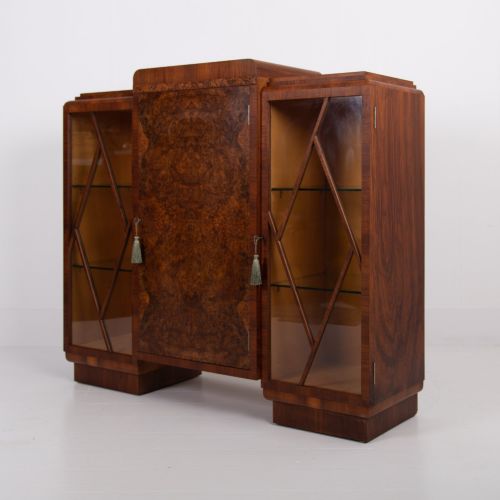

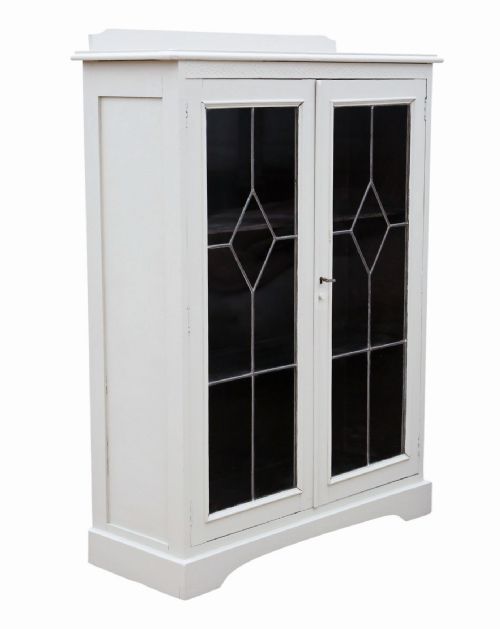

Art Deco Glazed Display Cabinet
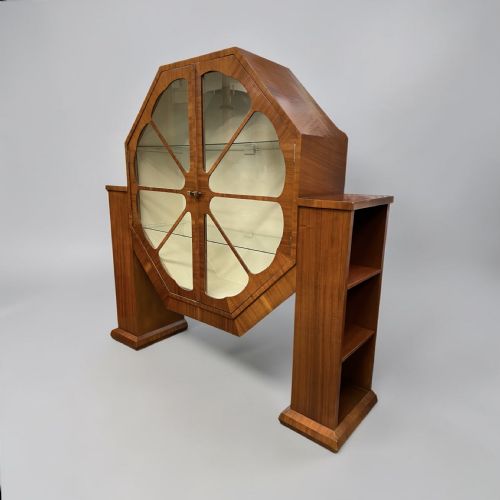
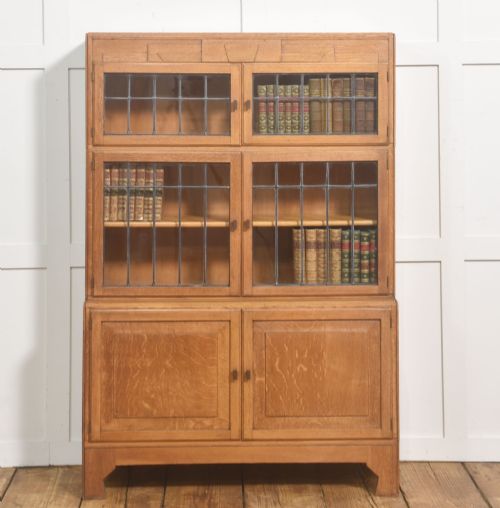
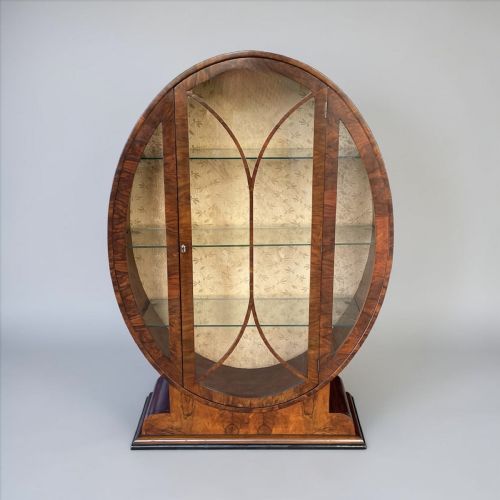
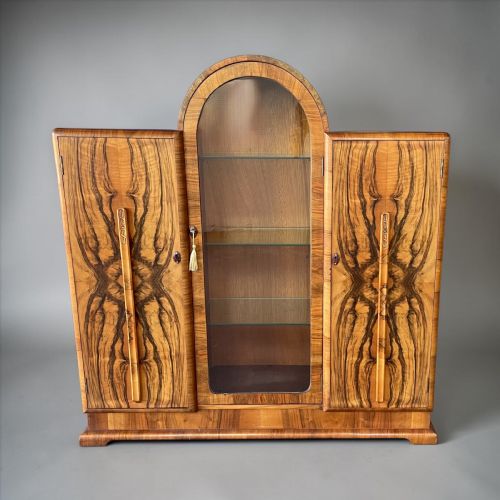
An art deco glazed display cabinet brings striking geometric forms and polished veneers into a room to hold books and ceramics.
Art Deco Glazed Display Cabinet
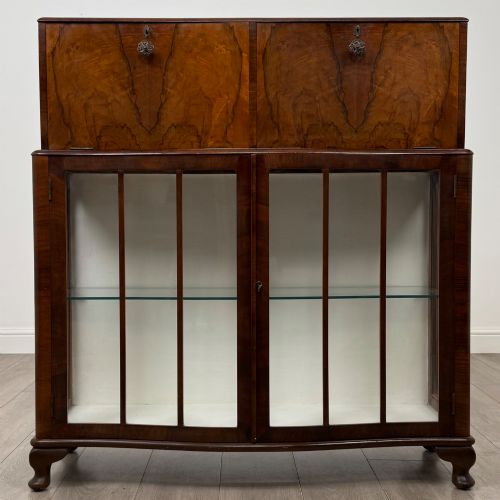
An art deco glazed display cabinet combines glass doors with dedicated storage for books, china, and objects of curiosity. These pieces emerge chiefly from the interwar period of the nineteen thirties, though Edwardian and nineteen twenties examples also appear.
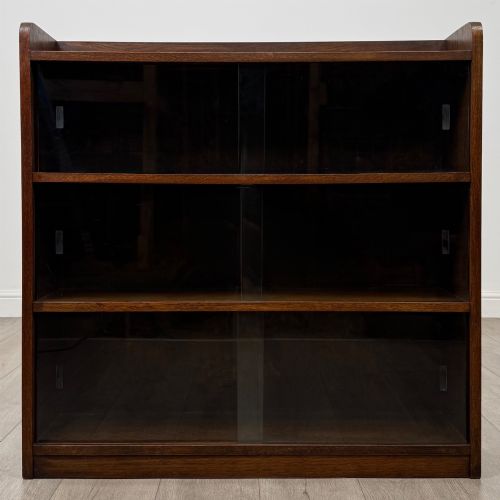
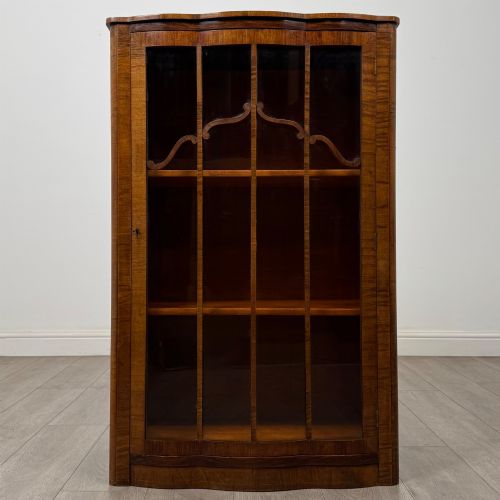
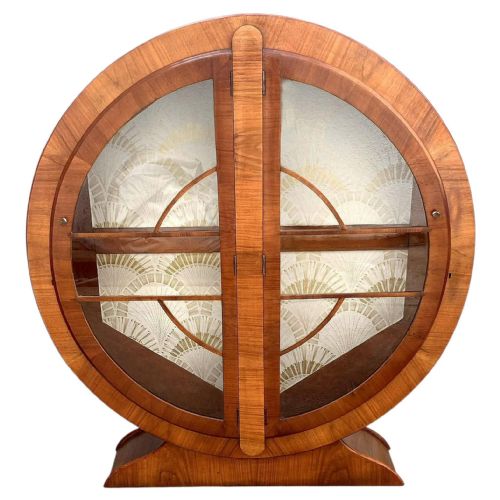
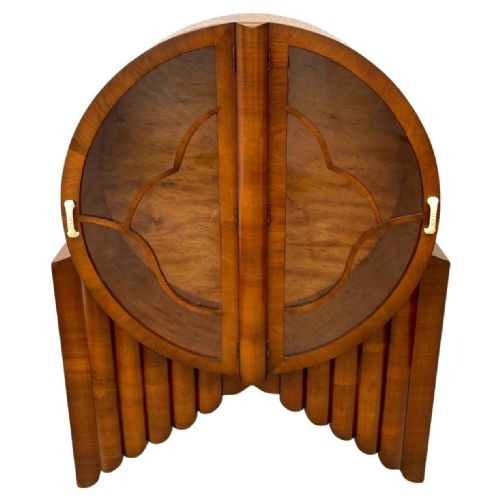
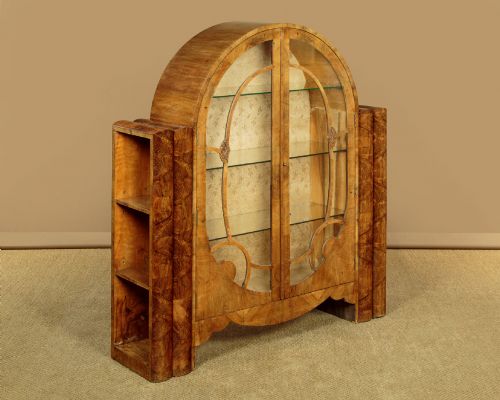
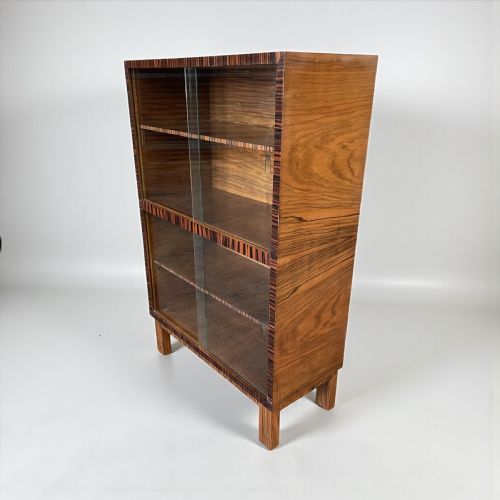
The silhouettes span straightforward rectangular shapes, corner units, and more experimental geometry including circular, oval, clove, and rocket profiles. Tall upright vitrines sit alongside low bookcases and expansive sideboards with glazed compartments.
Makers and workshops of the period translated architectural modernism into domestic furniture, resulting in freestanding display units as well as modular stacking bookcases.
Materials and construction
Cabinet makers utilised choice timber veneers, notably burr walnut, figured walnut, and oak, applied over robust secondary woods. Solid oak and mahogany also form the primary structure for many upright and corner designs.
Glazing takes multiple forms, from simple rectangular panes to leaded glass and curved glass panels that follow the sweeping contours of circular or oval cabinets. Brass handles, hinges, and occasional mounts provide metallic contrast to the polished timber surfaces.
One extraordinary cabinet served a dual life with hand sign-written details for the British Broadcasting Company.
Assessing craftsmanship
Quality rests upon the selection and bookmatching of timber veneers, where symmetrical grain patterns across doors and drawer fronts signal superior workshop output. The precision of the joinery around curved glass and complex geometric shapes further distinguishes standard production from high-end cabinet making.
Fittings such as original brass hinges, working locks with keys, and internal fabric linings demonstrate the original tier of manufacture. Pieces bearing attribution to known designers or prominent workshops show greater refinement in proportion and detail.
Rurka·Maurice Adams·Heal's·Epstein
The Art Deco Glazed Display Cabinet Glossary
- Veneer
- A thin slice of figured wood applied over a stable carcase timber to create decorative surfaces. This technique allowed makers to display striking grain patterns.
- Vitrine
- A glass-fronted cabinet designed specifically for displaying porcelain, curiosities, or decorative objects. These often feature glass on the sides as well as the doors.
- Leaded glass
- Small panes of glass held together by strips of lead cames. This method creates geometric or decorative patterns across the door front.
- Bookmatching
- A woodworking technique where two adjacent veneer leaves mirror each other. The practice produces symmetrical patterns resembling an open book.
Art Deco Glazed Display Cabinet: Frequently Asked Questions
Where should I place a circular display cabinet?
Curved cabinets suit corners or open wall spaces where their rounded profile can be viewed without obstruction. They function effectively away from tight hallways.
Positioning them near natural light enhances the visibility of glass shelves and stored items, though direct sunlight should be avoided to protect timber veneers.
How do I care for walnut veneer?
Dust surfaces regularly with a soft, dry cloth to prevent particulate accumulation. Avoid silicone sprays and harsh chemical polishes that can degrade historical finishes.
Maintain stable room humidity to prevent the timber beneath the veneer from expanding or contracting, which can cause splitting or lifting.
Can these cabinets hold heavy books?
Many units function as bookcase cabinets with sturdy wooden shelving designed to support substantial volumes. Checking the thickness and support of internal shelves ensures safe weight distribution.
Lighter glass shelves found in dedicated vitrines suit ceramics and glassware rather than heavy folio volumes.
What defines Egyptian revival styling?
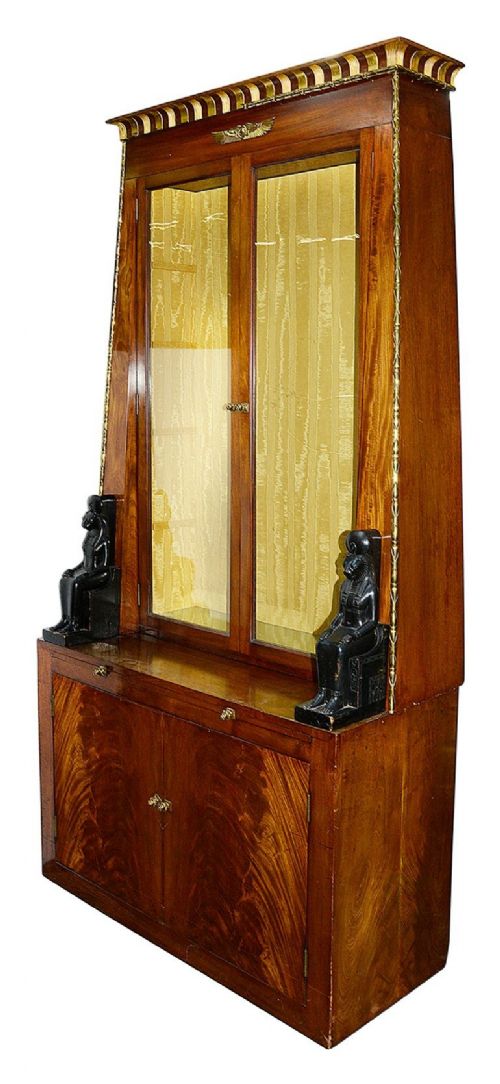
This style incorporates motifs, symmetry, and architectural shapes inspired by ancient Egyptian discoveries during the early twentieth century. It appeared on selected cabinets through decorative inlay or stepped crests.
These elements combined modern interwar geometry with ancient decorative themes to create distinctive cabinet facades.