




Art Deco Glass Perfume
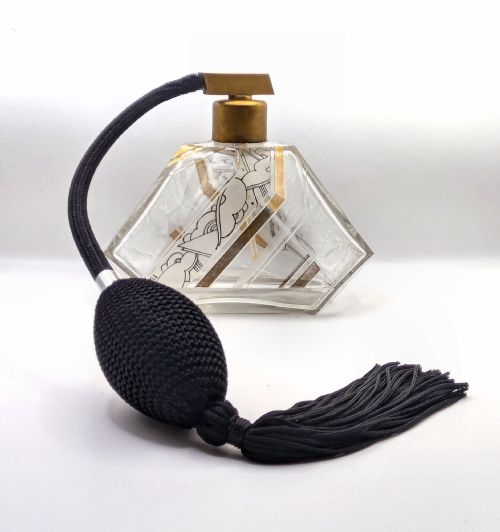
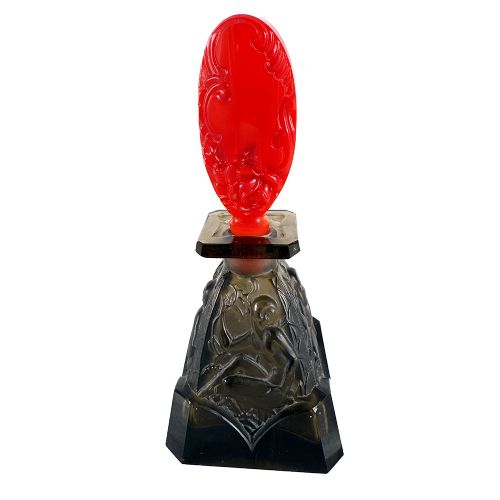
Art deco glass perfume pieces combine angular geometric lines with tactile moulded details, bringing period dressing tables sharply into focus.
Art Deco Glass Perfume
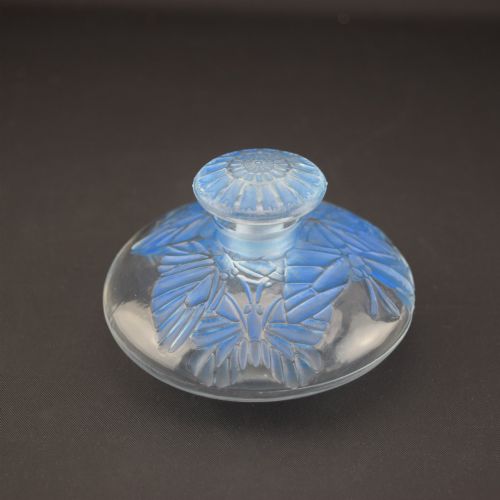
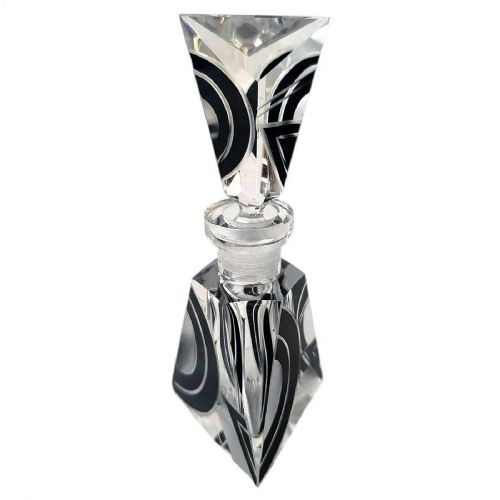
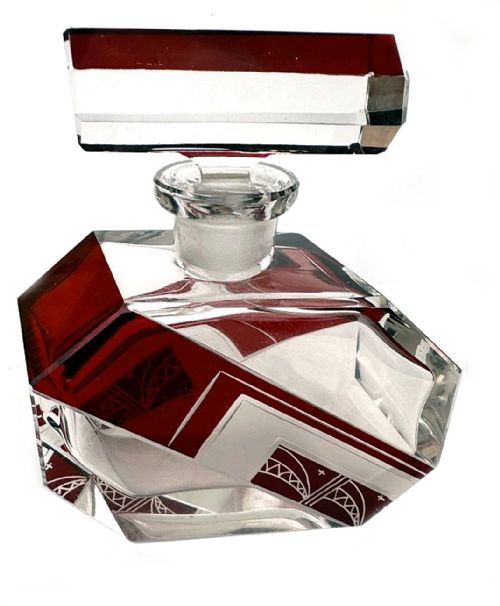
These items encompass scent bottles and perfume atomisers created primarily during the nineteen-twenties and nineteen-thirties, reflecting the streamlined aesthetic of the period. The selection spans straightforward geometric forms from Czechoslovakia alongside moulded French figural designs.
Makers utilised various vessels, ranging from tall atomisers fitted with metal hardware to stooped bottles designed for vanity displays. Buyers frequently encounter pieces incorporating coloured crystal, opalescent finishes, and silver mounts.
Materials and production
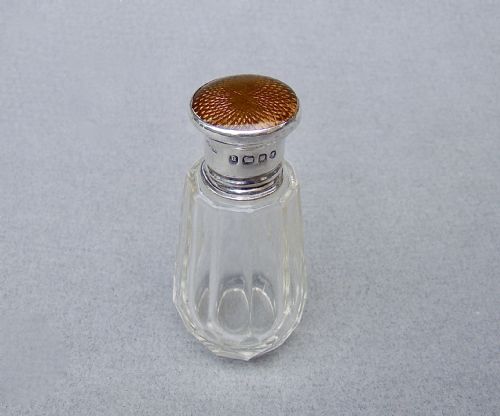
Workshops shaped glass through moulding, blowing, and heavy cutting to achieve sharp facets and deep relief patterns. Artisans often integrated sterling silver collars, chrome hardware, and colourful enamel accents directly into the glass bodies.
Techniques such as acid staining and staining highlighted moulded motifs like butterflies and florals against frosted surfaces. Metal atomiser mechanisms required precision engineering to function alongside decorative glass reservoirs.
Several bottles still carry traces of dried floral fragrance trapped inside for nearly a century.
Grading quality
Superior examples demonstrate crisp moulding lines and substantial glass weight, whereas lesser pieces show soft edges or surface ripples from worn moulds. The integration of high-grade enamel, hallmarked silver mounts, and intact functional atomiser bulbs elevates a piece significantly.
Attribution to documented designers or specific European glasshouses distinguishes standard production items from masterworks. The clarity of coloured glass and the precision of geometric wheel-cutting further separate basic containers from collector-grade pieces.
Rene Lalique·Karl Palda·Henry Perkins·Adie Brothers Ltd·Marcel Franck·Moser·DeVilbiss·Rudolf Hlousek·Barnsley and Co·Hermanova
The Art Deco Glass Perfume Glossary
- Atomiser
- A device fitted to a bottle to disperse liquid fragrance in a fine spray, often utilising a rubber bulb and metal mesh tube. These mechanisms require functional internal components to retain value.
- Opalescent glass
- Glass containing ingredients that cause it to milky-blue appear in transmitted light and warm amber in reflected light. This optical effect highlights moulded surface reliefs.
- Guilloche enamel
- Decorative enamel applied over a mechanically engraved metal surface, creating repeating geometric patterns beneath a translucent coloured layer. It appears frequently on silver bottle caps.
- Malachite glass
- Pressed glass designed to imitate the green banded stone, featuring darker pigment pooled in the recessed areas. This technique produces high contrast on figural motifs.
- Crystal
- Clear glass containing metal oxides that increase refractive index and weight, allowing for sharp decorative cutting. This material produces a distinct resonance when struck.
Art Deco Glass Perfume: Frequently Asked Questions
How do I clean an old perfume bottle?
Residue inside vintage bottles dissolves best using warm water mixed with mild dish soap and untreated rice grains to gently scour the interior.
Avoid submerging pieces with original silver mounts, enamel work, or delicate metal atomiser hardware to prevent corrosion.
Are atomiser bulbs usually original?
Original rubber bulbs and mesh sleeves from the early twentieth century degrade over time and frequently require replacement to function.
Collectors prioritize pieces retaining original branded metal collars even if the flexible rubber components are modern replacements.
How can I tell Czech glass from French glass?
Czech production typically favours heavy geometric cutting, vibrant coloured glass, and enamel detailing originating from workshops around Bohemia.
French output often emphasises intricate moulded figural reliefs, frosted textures, and signed signatures associated with major studio glassmakers.
Why do some bottles have silver mounts?
Silver collars and stoppers were added to enhance luxury appeal and provide secure closures for volatile cosmetic liquids.
British hallmarks stamped on these mounts allow precise dating of the dressing table accessories regardless of the glass origin.