




Art Deco Glass Fixture
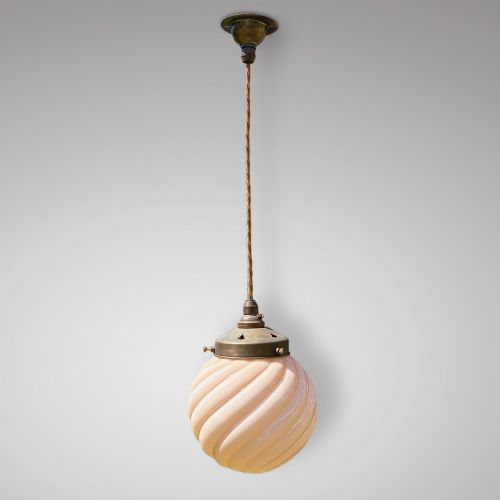
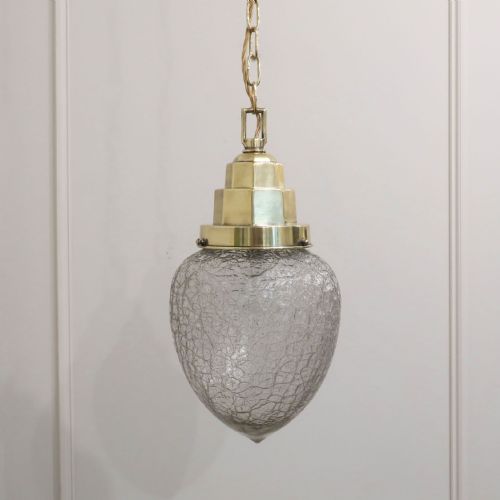
An art deco glass fixture brings geometric clarity and luminous presence to a room, holding the eye with frosted, opaline, or crackle surfaces.
Art Deco Glass Fixture
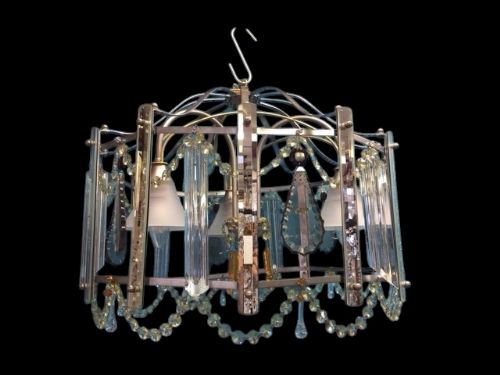
When searching for an art deco glass fixture, buyers encounter pendant lights, chandeliers, and wall sconces that bridge historical periods from the nineteenth century into the mid-twentieth century. The selection leans heavily toward pieces from the nineteen-twenties and nineteen-thirties, showing the characteristic symmetrical forms and streamlined profiles of the era.
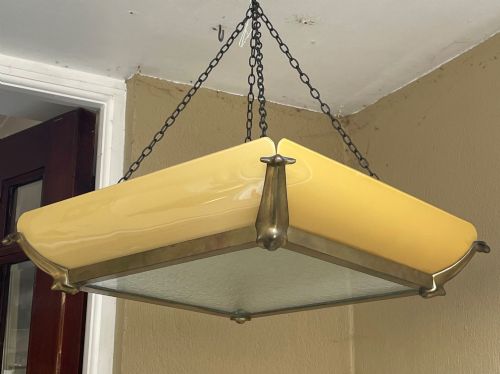
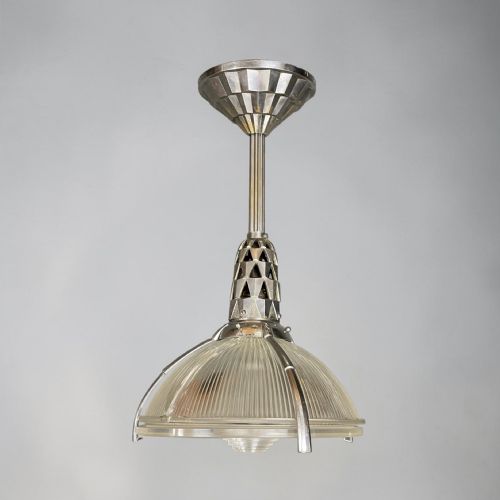
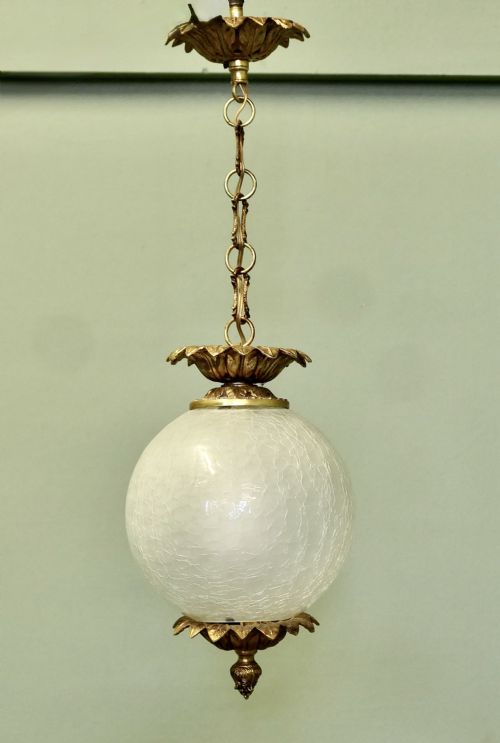
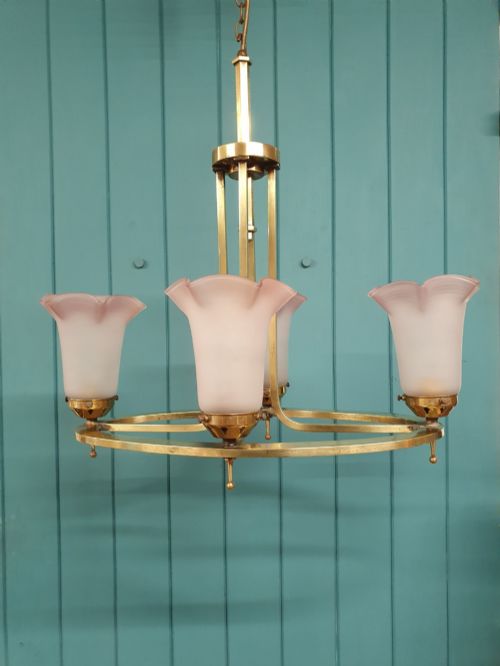
Most examples combine moulded or pressed glass shades with metal mounts, appearing as ceiling lighting, wall lights, and hall lanterns. Makers utilised materials ranging from clear cut glass to pink opaline and crackle glass, housed within brass, copper, or chrome frameworks.
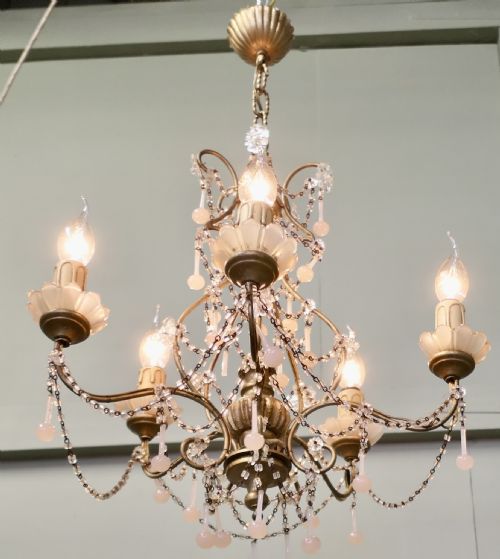
Alongside mainstream 1930s designs, the inventory holds occasional Edwardian and Victorian precedents, demonstrating how earlier lighting techniques fed into the roaring twenties. Buyers find everything from single pendant lampshades to multi-tiered crystal chandeliers and matching pairs of wall sconces.
Materials and construction
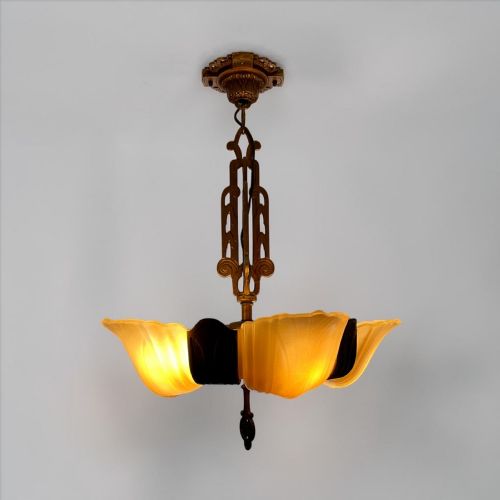
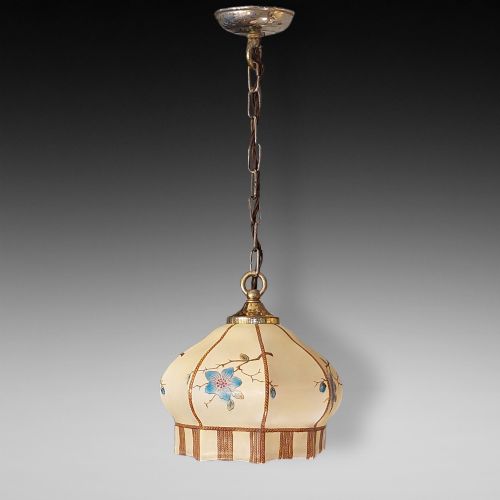
The primary material combination unites glass and metal, pairing heavy pressed, opaline, or cut glass shades with structural mounts of brass, copper, and chrome. Glass elements were often hand-painted, frosted, or moulded into specific shapes such as slip shades, clam shells, and cloud forms.
Metal components provide rigid support galleries and suspension chains, utilising chrome for a modern industrial sheen or brass for warmer period tone. Craftspeople shaped the glass through blowing, pressing, or cutting, mounting the finished shades securely into metal frames for ceiling or wall installation.
One unexpected listing includes a single glass towel rail with chrome mountings, proving the era's decorative glass obsession extended beyond the ceiling.
Assessing quality in period lighting
Quality rests upon the weight and depth of the glass moulding, where thicker opaline, crystal, or pressed satin glass displays crisper geometric detail and richer light diffusion. Superior pieces maintain crisp casting in their brass or chrome mounts, showing clean junctions and well-finished galleries.
The sophistication of the design dictates distinction, separating standard utility pieces from signed studio works or elaborate multi-tier chandeliers with complex shade configurations. Integration between the glass shade and the metal hardware remains vital, where balanced proportions define the successful execution of the style.
Émile-Jacques Ruhlmann·Schneider·Lalique
The Art Deco Glass Fixture Glossary
- Slip shade
- A moulded piece of glass that slides directly into a metal frame or sconce, common in American lighting of the period.
- Opaline glass
- An opaque or translucent glass with a milky appearance, frequently utilised in pendants and globes to soften light emission.
- Sconce
- A wall-mounted lighting fixture designed to project illumination outward into a room.
- Gallery
- The metal ring or fitting that grips the upper rim of a glass shade to suspend it from a ceiling drop or wall arm.
- Crackle glass
- Glass treated to produce an internal network of fine fractures while retaining a smooth outer surface, creating textured light refraction.
Art Deco Glass Fixture: Frequently Asked Questions
How do I hang a heavy art deco chandelier?
Heavy chandeliers require secure anchorage into ceiling joists using appropriate metal fixings rather than plaster alone. Ensure the weight of the metal frame and glass shades is supported independently of the electrical wiring.
Professional installation is recommended for multi-tier crystal or brass fixtures to guarantee safety and correct drop height. A qualified electrician can also check whether the internal wiring meets current standards.
Are these glass fixtures compatible with modern bulbs?
Most period fixtures accept standard modern LED or incandescent bulbs provided the wattage matches the historical capacity of the fitting. The interior clearance of the glass shade dictates the physical size of the bulb you can insert.
Take care when removing glass slip shades or screw-fit globes to change bulbs, supporting the glass firmly with both hands. Older brass galleries can be delicate if overtightened during reassembly.
How do I clean frosted and opaline glass?
Wash glass shades in lukewarm water with a mild detergent, avoiding harsh abrasive pads that can scratch delicate frosted or hand-painted surfaces. Dry thoroughly with a soft cloth before rehanging the shade.
Polish metal mounts such as brass or chrome separately using appropriate metal creams, taking care not to transfer chemical residue onto the glass components.
Can I use bathroom wall sconces safely?
Bathroom installation depends on the Ingress Protection rating of the specific light fixture and its placement relative to water sources. Many antique wall lights lack modern moisture seals and require careful positioning outside splash zones.
Consult an electrician to assess whether a piece meets bathroom zoning regulations before mounting it near sinks or showers.