




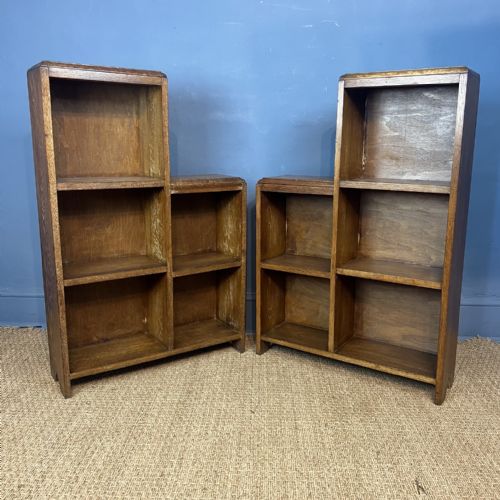
Art Deco Furniture Pair
These art deco furniture pair items bring balanced symmetry and bold twentieth-century design to any room.
Art Deco Furniture Pair
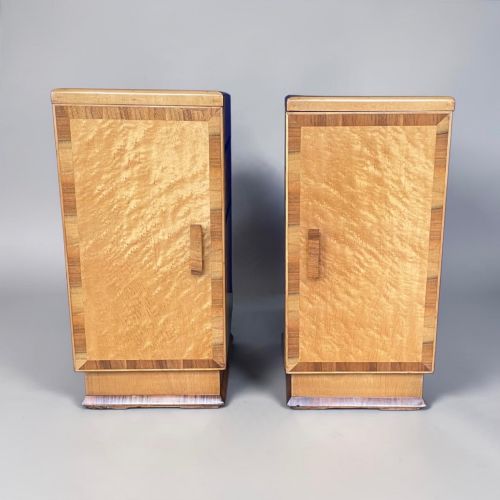
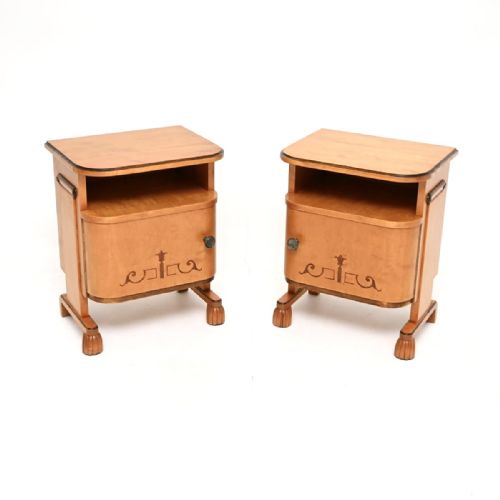
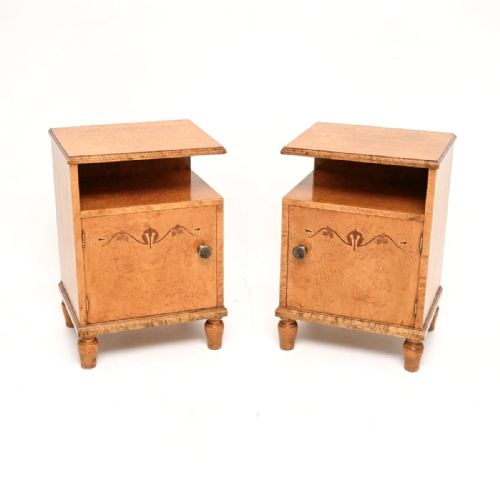
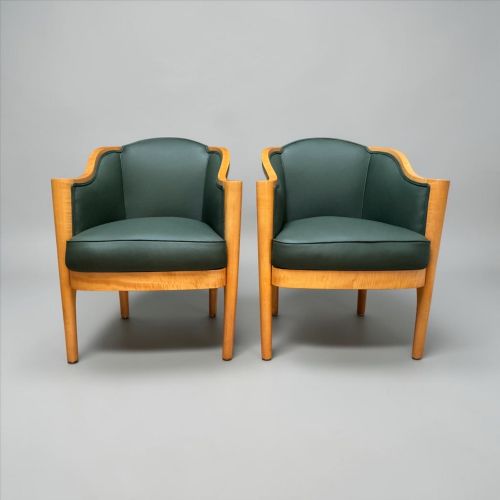
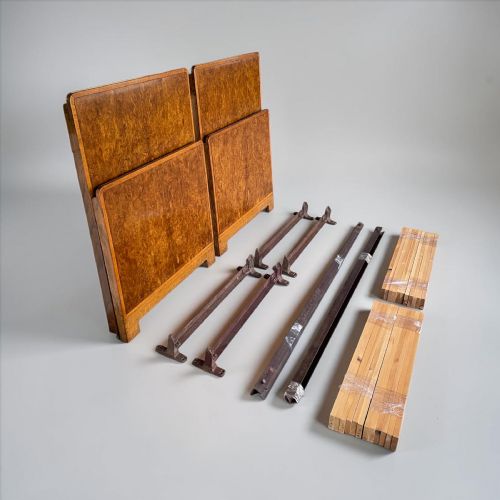
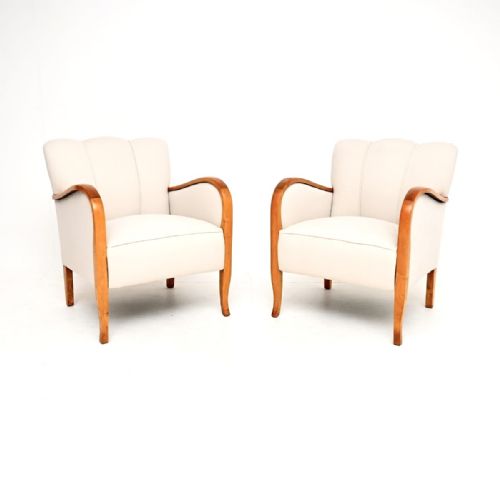
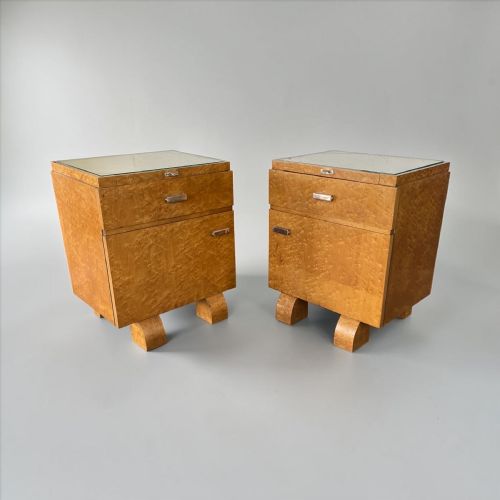
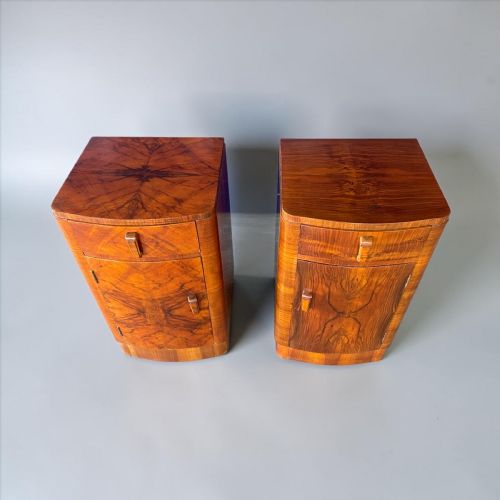
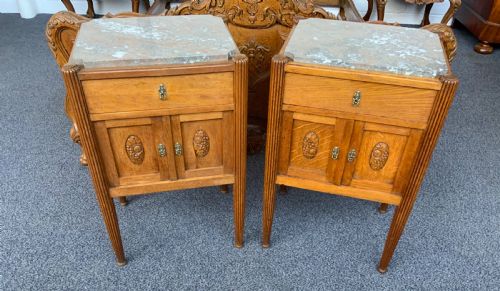
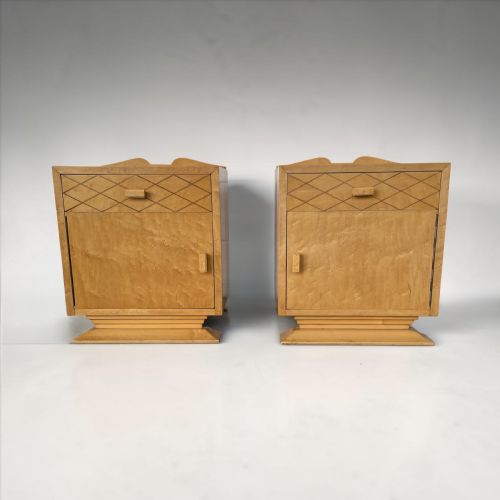
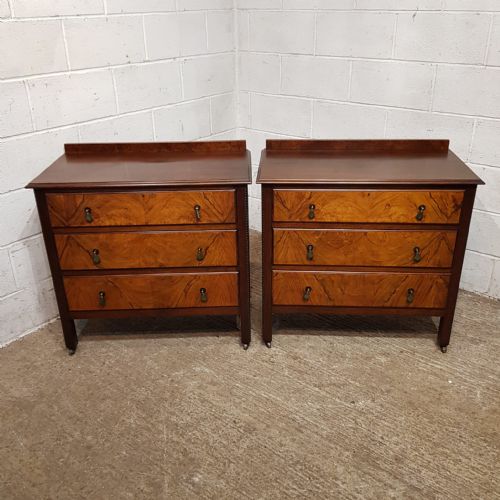
An art deco furniture pair consists of matching items designed in the modernist styles of the early twentieth century, spanning bedside cabinets, armchairs, and console tables. These matching items offer symmetry and proportion, which makes them particularly sought after for bedroom and living space arrangements.
Bedside cabinets and bedside tables dominate the selections seen here, frequently utilising figured timbers and clean geometric lines. Alongside these smaller pieces, occasional chairs and larger seating sets provide functional utility with distinct period character.
The objects originate from various European and international centres, including Swedish, French, and English workshops. Makers from the nineteen twenties and thirties produced these sets using distinctive regional interpretations of the modernist aesthetic.
Materials and construction
Cabinet makers utilised rich timber veneers such as walnut, burr walnut, satinwood, and birds eye maple applied over solid foundations. These figured woods were selected to create striking grain patterns across matching surfaces.
Structural elements frequently incorporated birch, oak, mahogany, and teak, sometimes paired with brass details, marble tops, or leather upholstery. Craftspeople combined traditional joinery with emerging modernist forms to achieve the characteristic silhouette of the period.
Art Deco Furniture Pair Retail Price Guide 2026
Typical asking prices for art deco furniture pair among the pieces listed under this phrase on Sellingantiques today, from the lower quarter to the upper quarter. They describe what is for sale here now, not the wider market.
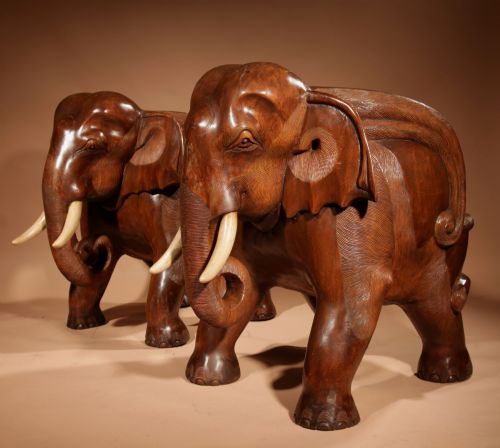
Elephant armchairs from nineteen twenty bring an unexpected wildlife scale to the sitting room.
Evaluating quality in matching sets
The standard of veneer matching across both pieces determines the visual cohesion of the set. Superior examples display symmetrical grain patterns that mirror each other across the two objects.
Construction integrity in the internal framing and drawer construction separates standard production from finer workshop output. Original hardware, such as brass fittings and handles, maintains the integrity of the design.
Maurice Adams·Hille·Harry and Lou Epstein·Heals
The Art Deco Furniture Pair Glossary
- Burr walnut
- A figured wood veneer taken from the burl growth of a walnut tree, producing swirling and mottled patterns. Cabinet makers utilised this timber to create decorative surfaces on cabinet doors and tabletops.
- Satin Birch
- A pale timber with a reflective grain used extensively in Scandinavian modernism. This material gave furniture a light and clean appearance.
- Console table
- A table designed to stand against a wall, frequently found in pairs within hallways or living rooms. These items often feature marble tops or tiered shelving.
- Amsterdam School
- An architectural and design movement from the early twentieth century characterised by expressive brickwork, organic forms, and traditional craftsmanship. Pieces in this style incorporate detailed metalwork and natural stone.
- Cloud shape
- A distinctive rounded upholstery contour associated with lounge seating from the nineteen thirties. This form prioritises generous curves and comfort.
Art Deco Furniture Pair: Frequently Asked Questions
What rooms suit an art deco furniture pair?
Bedside tables and cabinets fit naturally beside a bed, providing symmetrical storage and surface space.
Matching armchairs or occasional chairs sit well in living areas or studies to create a balanced seating arrangement.
How do I identify Swedish art deco pieces?
Swedish pieces frequently employ light timbers like satin birch, offering a distinct contrast to darker English and French walnut furniture.
Their forms emphasise clean geometry and restrained ornamentation typical of Scandinavian design traditions.
Are these items from the nineteen twenties or thirties?
The objects span the early decades of the twentieth century, with many dating from the nineteen twenties and nineteen thirties.
Design characteristics shifted from heavier traditional influences toward streamlined modernist geometry during this period.
How do I care for veneered walnut furniture?
Keep wooden surfaces away from direct sunlight and excessive heat to prevent the veneer from drying or fading.
Apply suitable wax polish periodically to maintain the moisture and sheen of the timber grain.