


Art Deco Fixtures
Art deco fixtures bring geometric discipline and luminous warmth to a room, offering functional illumination through period glass and metal work.
Art Deco Fixtures
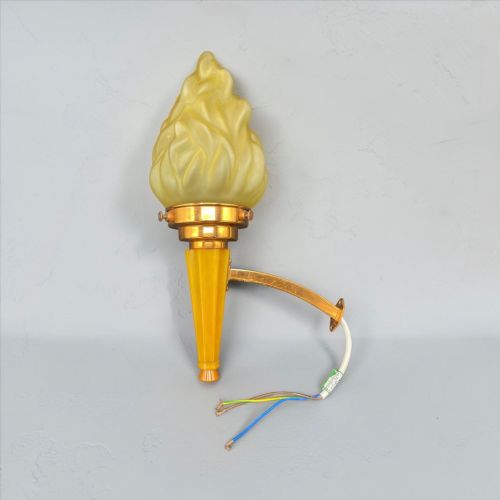
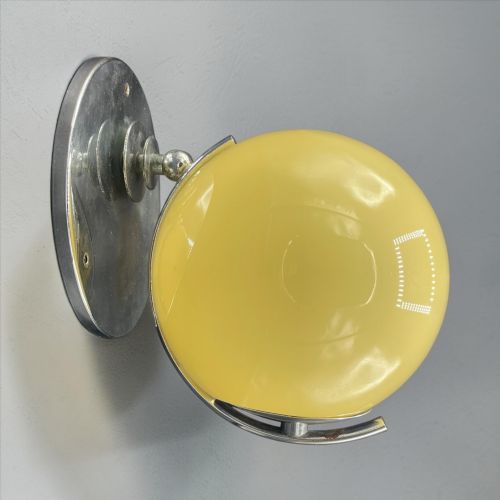
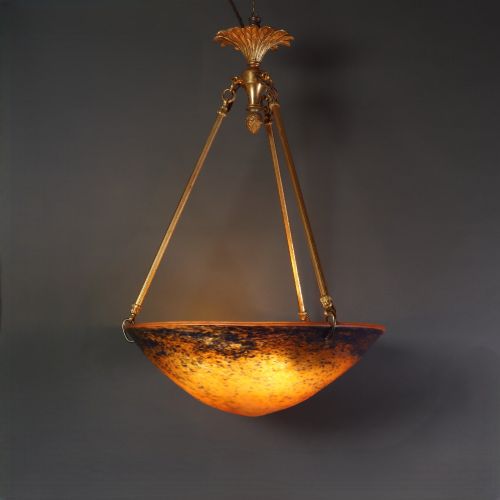
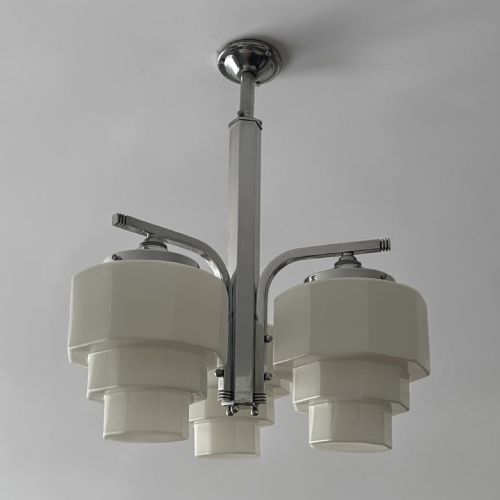
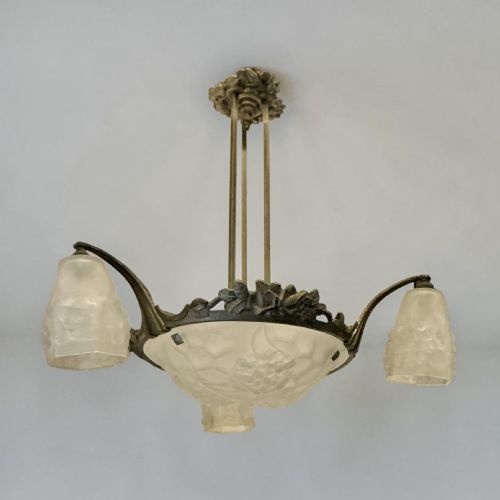
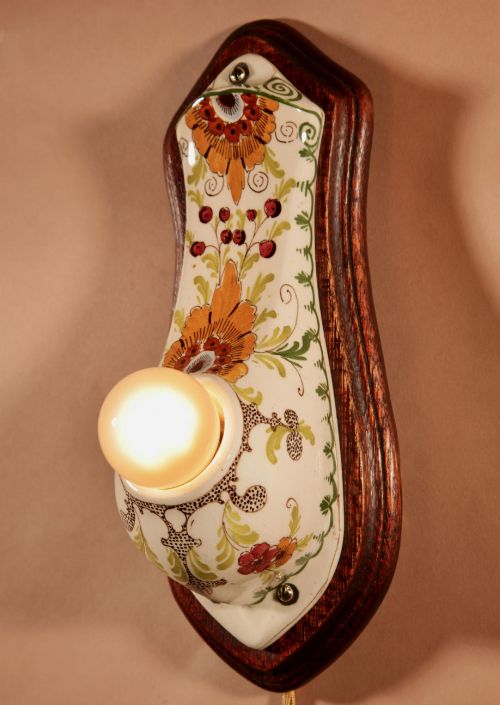
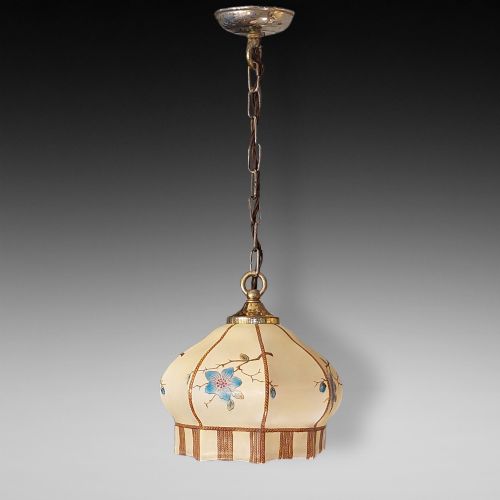
Art deco fixtures encompass lighting and domestic hardware designed primarily during the early twentieth century, spanning pendant lights, ceiling fixtures, wall sconces, and chandeliers. Buyers seeking art deco fixtures will encounter numerous examples featuring pressed or frosted glass shades paired with metal frames.
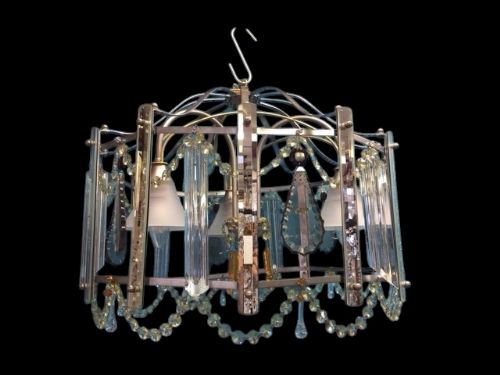
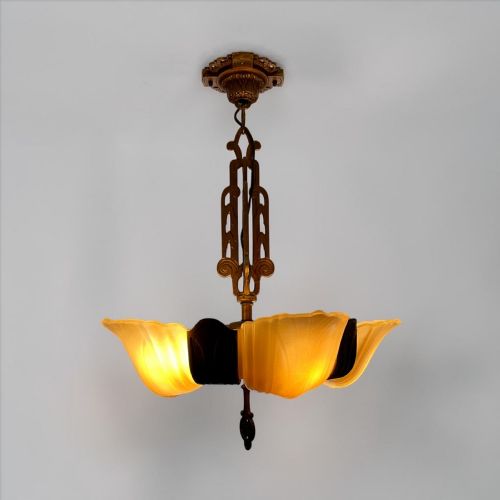
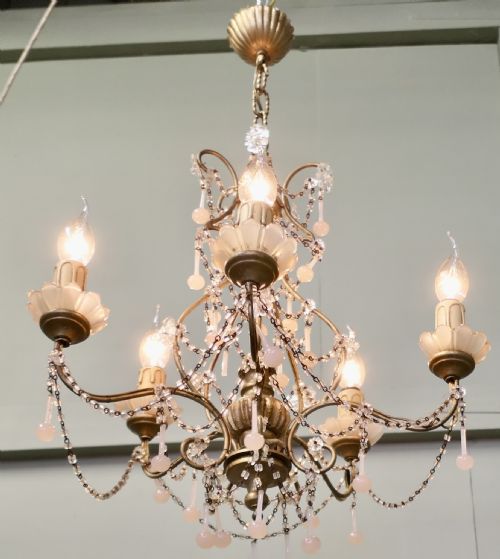
The pieces on this page draw from the 1920s and 1930s, alongside transitional works that blend late nineteenth century sensibilities with modernist geometry. Forms range from single bulb wall brackets to multi tiered crystal chandeliers and specialised slip shade configurations.
Geographic origins vary, with French, Dutch, and American makers contributing distinct stylistic interpretations. Alongside standard ceiling and wall illumination, the inventory includes occasional functional accessories like glass towel rails.
Materials and construction
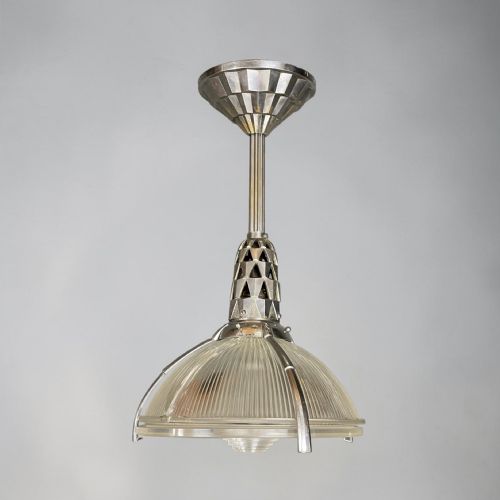
Construction relies heavily on structural metals such as brass, chrome, copper, and bronze, which provide both support and decorative contrast. These metals are shaped into tubular mounts, hand chased backplates, and geometric frames.
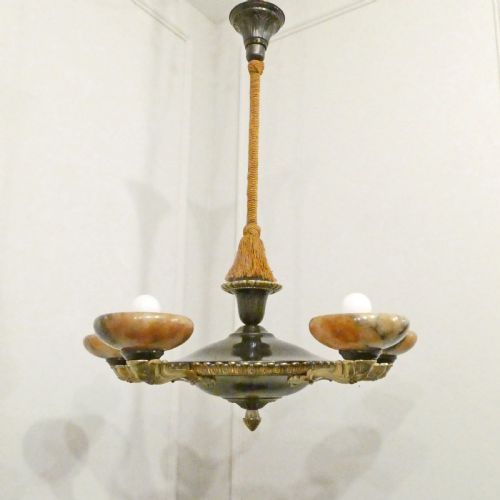
Glass forms the central visual element, utilising techniques like acid etching, moulding, and pressing to create opaline, crackle, cut, and satin surfaces. Makers also incorporated alabaster and ceramic elements to diffuse light effectively.
The listings span the nineteenth century through the mid twentieth century, utilising brass, chrome, copper, crystal, and multiple varieties of glass.
Assessing quality and manufacture
Quality reveals itself in the weight and thickness of the glass shades, where heavier pressed or mould blown glass exhibits superior clarity and depth. The precision of metalwork, such as hand chased detailing on copper and solid brass fittings, distinguishes standard production from finer studio pieces.
Signed works by established glasshouses and designers command attention through the crispness of their signatures and the integration of shade to mount. Coherently matched sets of wall sconces or multi branch chandeliers reflect greater initial design intent than assembled pairings.
Charles Schneider·Degué·Émile-Jacques Ruhlmann·Lalique
The Art Deco Fixtures Glossary
- Plafonnier
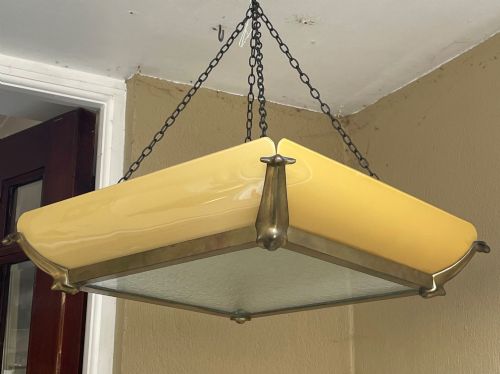
- A ceiling light fixture designed to sit flush or close against the ceiling surface. These usually feature a large bowl shaped glass shade held by metal clips or a central mount.
- Slip shade
- A moulded piece of glass that slides directly into a metal frame or arm on a sconce or chandelier. This style became prominent in American lighting design during the interwar period.
- Opaline glass
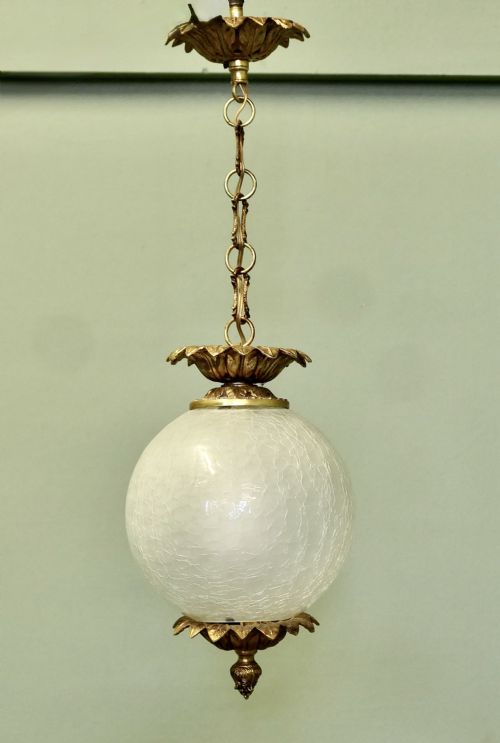
- A milky, semi translucent glass that diffuses light softly without harsh glares. It appears frequently in spherical and pear shaped pendant lights.
- Hand chased
- Metalwork decorated by hammering and chiselling lines directly into the surface by hand. This technique adds texture and pattern to copper and brass mounts.
- Amsterdam School
- An architectural and design style originating in the Netherlands characterised by expressive brickwork, organic forms, and handcrafted metal details.
Art Deco Fixtures: Frequently Asked Questions
How do I clean antique glass shades?
Wash glass shades gently in warm soapy water using a mild detergent and a soft cloth. Avoid harsh chemical cleaners that can damage vintage finishes.
Dry the glass thoroughly with a lint free towel before reattaching it to the metal frame.
Can these fixtures use modern bulbs?
Most vintage fixtures accept standard modern bulbs provided the wattage matches the historical capacity of the wiring. LED alternatives work well because they generate less heat.
Consult a professional electrician if you need to adapt lamp holders for contemporary bulb sizes.
Are these lights ready for installation?
Many pieces require professional rewiring to meet current electrical safety standards before installation. Check individual listings to see if the wiring has been updated.
An experienced electrician should mount heavier chandeliers and wall sconces securely to wall studs or ceiling joists.
How do I distinguish 1920s work from later styles?
Pieces from the 1920s often incorporate expressive curves influenced by earlier traditions alongside emerging geometric motifs. They frequently feature hand painted or heavily textured art glass.
Thirties designs tend toward streamlined industrial forms, chrome plating, and standardised pressed glass slip shades.