





Art Deco Engraving
Art deco engraving encompasses decorative works and metal items marked by the sharp geometry and linear motifs of the early twentieth century.
Art Deco Engraving
Art deco engraving appears on a diverse array of items originating primarily from the nineteen twenties, thirties, and forties, reflecting the distinctive design ethos of the period. Buyers seeking art deco engraving will encounter personal accessories, timepieces, and domestic silver items rather than flat panels alone.
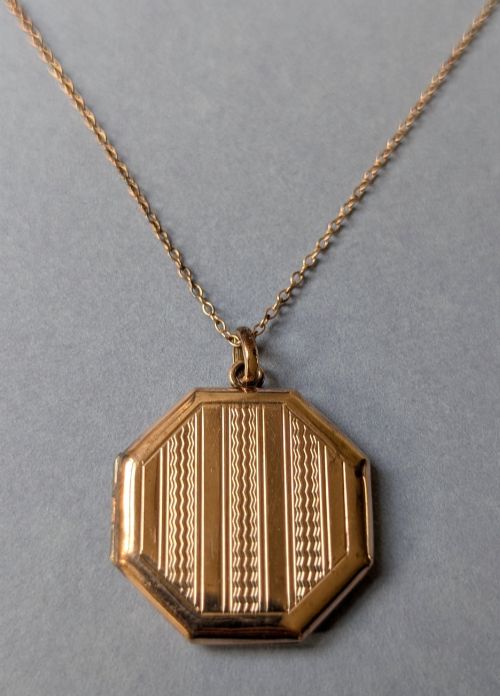
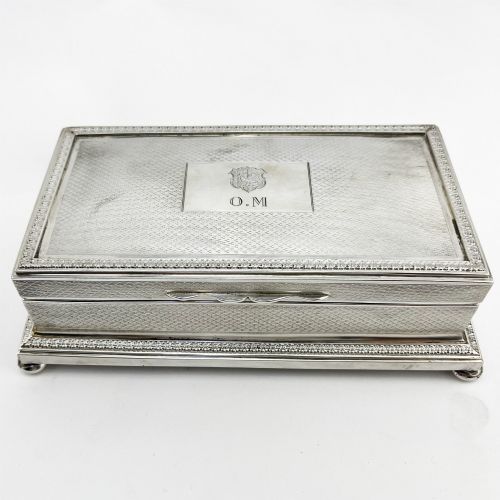
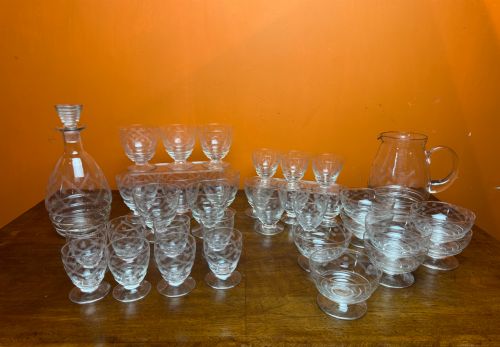
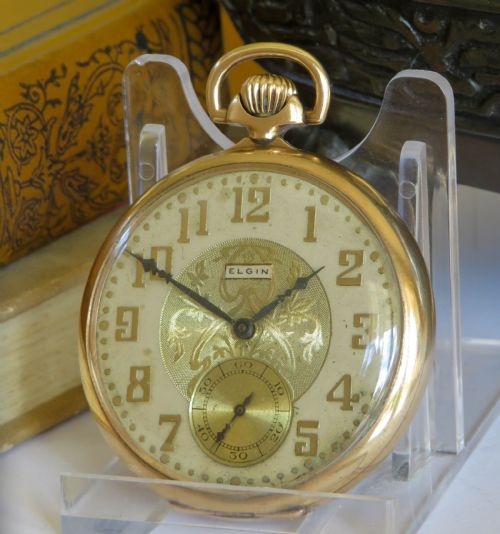
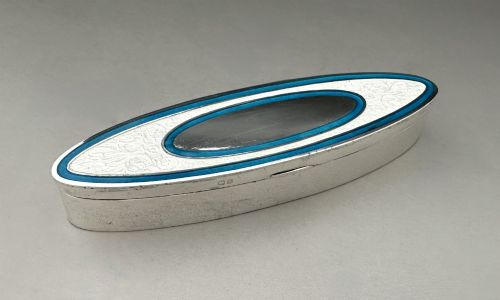
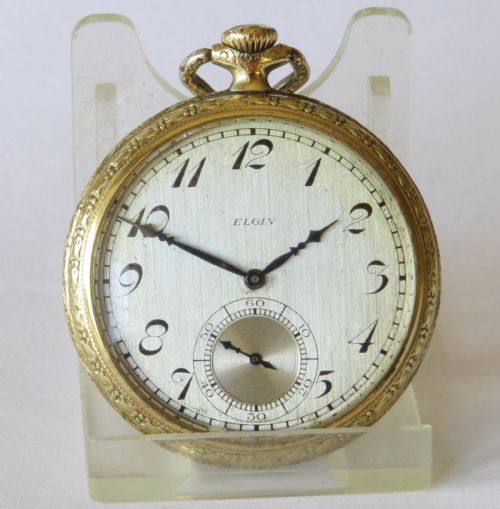
The objects bearing this ornamentation range from pocket watches and cigarette cases to cocktail shakers and glassware. Many pieces combine structural metals with incised surface patterns, geometric engravings, or applied decoration.
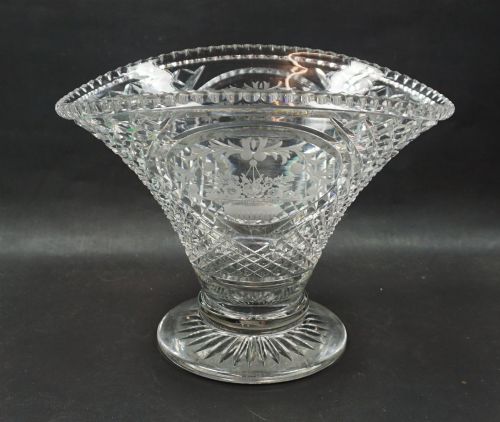
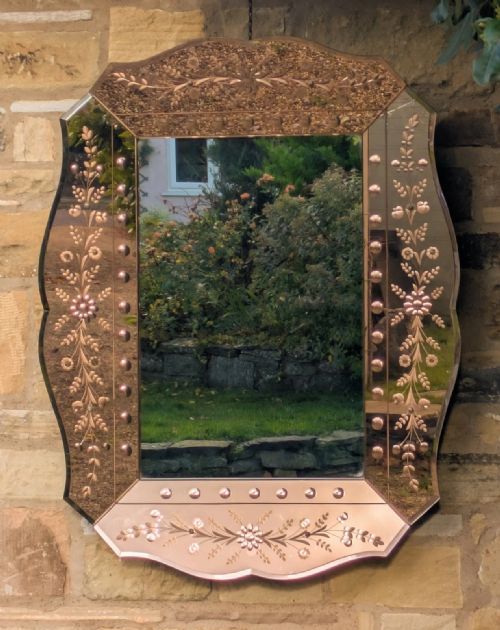
Beyond portable metalware, larger decorative elements such as glass wall panels and framed prints contribute to the selection. These pieces demonstrate how linear ornamentation was applied across various functional and decorative mediums during the era.
Materials and Technique
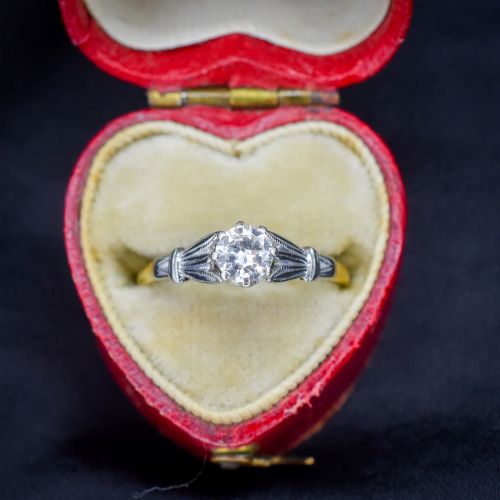
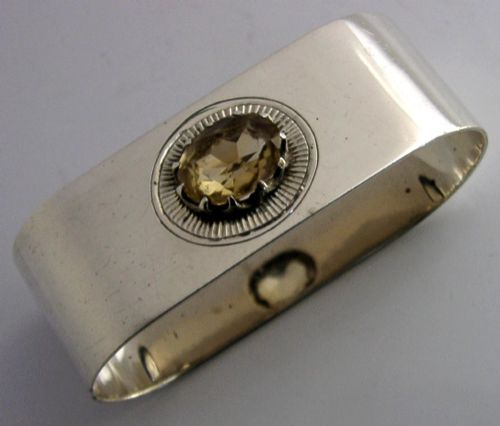
Makers utilised sterling silver, silver plate, gold, and platinum as foundations for intricate surface work, combining precious metals with gemstones like diamonds, sapphires, and rubies. Glass forms, including peach glass mirrors and drinking suites, provided smooth surfaces for engraved and sandblasted decoration.
The technique relied on precise hand-tooling or mechanical cutting to score crisp, repeating geometric patterns into metal and glass. Enamel details and cabochon stones were frequently integrated alongside the incised lines to create contrast and texture.
Art Deco Engraving Retail Price Guide 2026
Typical asking prices for art deco engraving among the pieces listed under this phrase on Sellingantiques today, from the lower quarter to the upper quarter. They describe what is for sale here now, not the wider market.
Listings span periods from Edwardian to mid-century, featuring glass, precious metals, and diamonds formed into personal accessories and barware.
Judging Quality in Engraved Objects
Quality rests upon the crispness of the incised lines and the proportion of the decorative motifs relative to the object's form. Superior examples display deliberate, clean cuts that maintain symmetry without crowding the surface.
The selection of materials also distinguishes the pieces, with higher tiers featuring solid platinum, high-carat gold, or heavy gauge silver rather than plated alternatives. Furthermore, integrated elements such as mechanical movements in watches or signed artist etchings elevate the standard of the item.
Elgin·Hamilton·Lambert Bros·William Adams Ltd·Payton Pepper Co·Elkington·Roberts & Dore·Albert Terry·Smiths Clocks
The Art Deco Engraving Glossary
- Cabochon
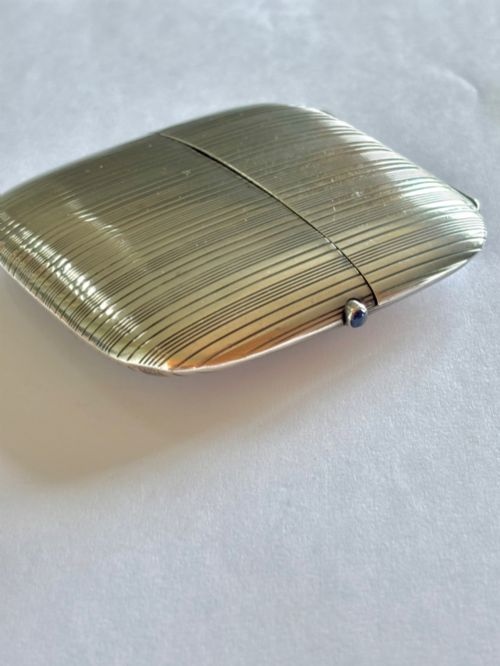
- A gemstone shaped and polished with a smooth, rounded surface rather than faceted edges. This style is frequently seen in rings and decorative box clasps.
- Vesta case
- A small pocket container originally designed to hold matches. These items often feature engraved monograms or geometric patterns.
- Intaglio
- A design engraved into the material so that the impression sinks below the surface. It contrasts with relief carving where the design stands out.
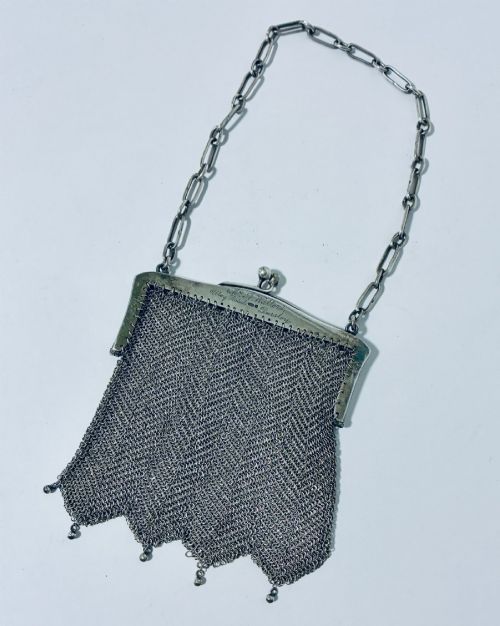
- Mesh purse
- A flexible bag constructed from interlocking metal rings or links. They often incorporate decorative frames and engraved clasps.
- Barware
- Utensils and vessels utilised for mixing and serving drinks, including cocktail shakers and trays. These objects frequently display extensive surface decoration.
Art Deco Engraving: Frequently Asked Questions
What items feature art deco engraving?
These pieces include personal items such as pocket watches, cigarette cases, compacts, and rings, alongside domestic silver and glassware.
Many of these objects serve a functional purpose while displaying the distinct geometric ornamentation characteristic of the period.
How do I care for silver and glass items?
Silver and silver-plated items require gentle cleaning with appropriate cloths to preserve the surface engraving without wearing down the metal. Glass pieces should be washed carefully by hand to protect any sandblasted or incised decoration.
Storing these objects away from direct moisture and extreme temperature fluctuations helps maintain their condition over time.
How can I tell the period of a piece?
Dating often relies on hallmarks stamped into the metal, which indicate specific assay offices and years of production. Stylistic markers such as skyscraper motifs, streamlined shapes, and specific font choices also point toward the interwar decades.
In addition, maker marks and accompanying documentation help narrow down the timeframe of creation.