



Art Deco Door Glass
Art deco door glass brings geometric clarity and period weight to an interior, built for those who want authentic 1930s character.
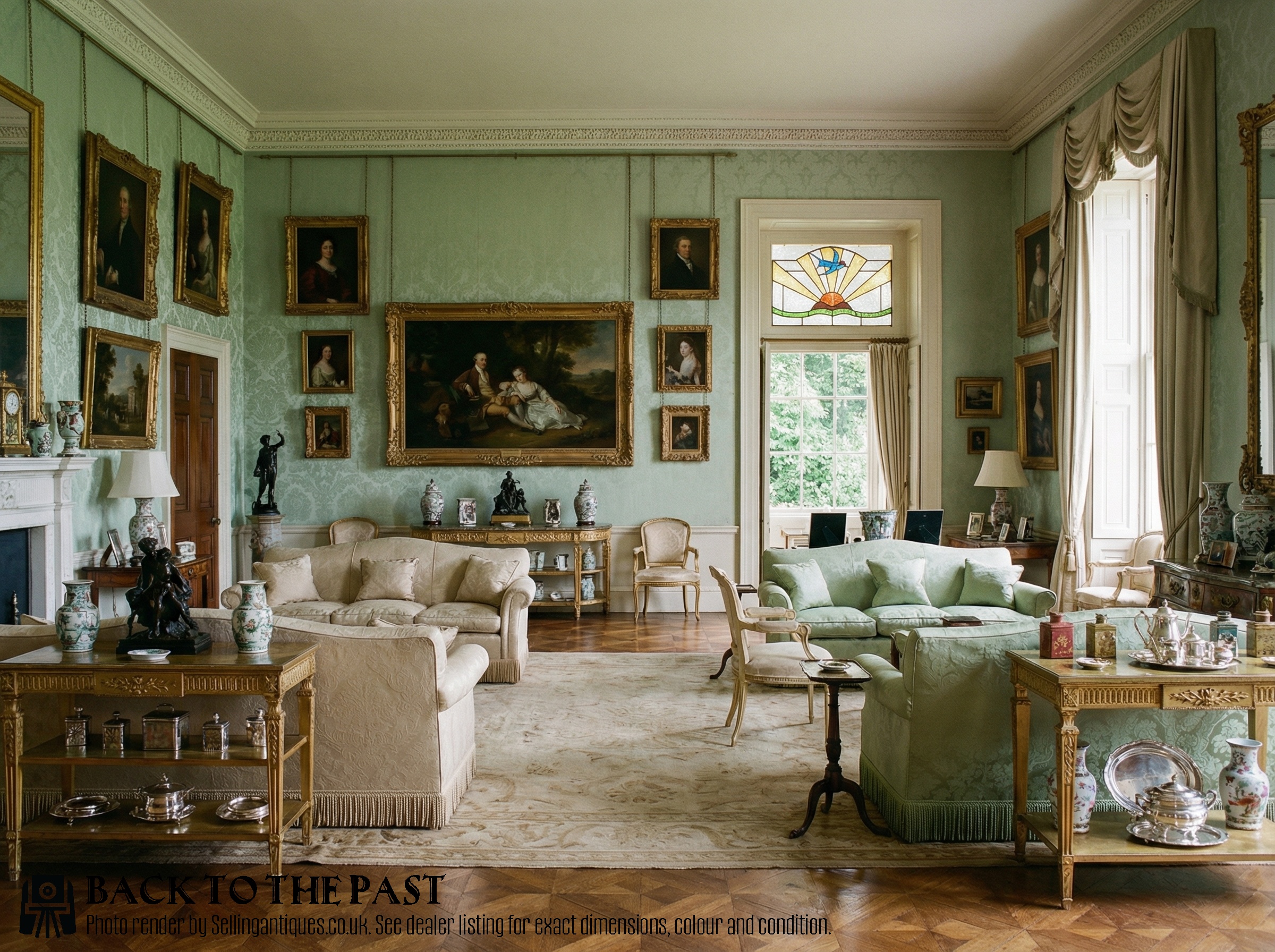
Art Deco Door Glass
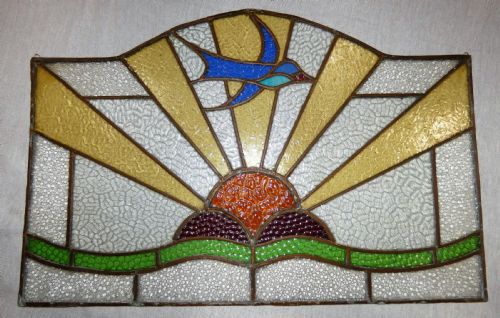
When you search for art deco door glass, you are looking at glazed architectural panels and hardware from the 1920 and 1930 periods. These pieces bring distinct twentieth-century design into domestic spaces, drawing on clean lines and structured patterns.
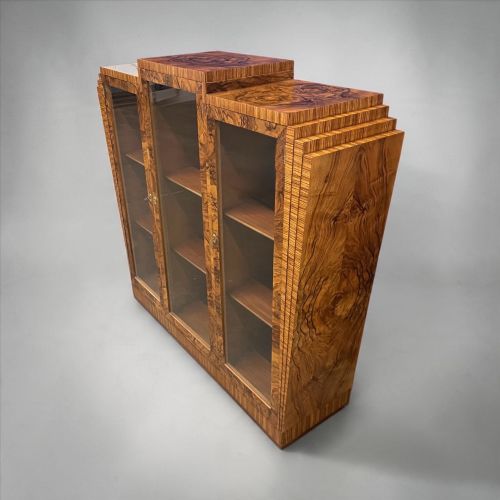
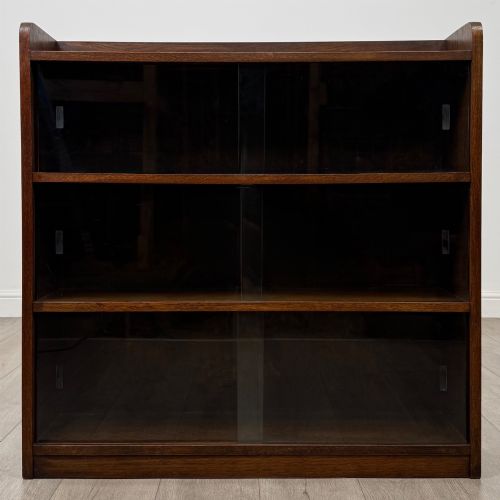
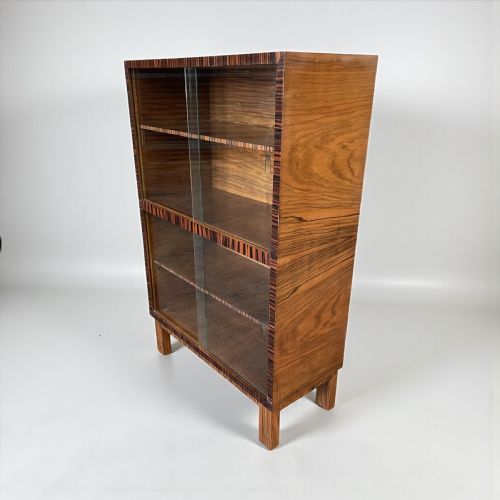
You are most likely to meet panels set into solid oak or walnut surrounds, alongside associated items like glazed cabinet doors and finger plates. The forms range from simple leaded windows to large display cabinet doors with glass inserts.
Originating largely from the 1930 decade, these items capture the transition from Edwardian heft towards modernist simplicity. They function as both structural elements and decorative focal points within a room.
How art deco door glass was made
Makers constructed these panels using lead cames to hold cut and textured glass within sturdy wooden frames of oak, walnut, or mahogany. The glass itself often incorporates bevelled, frosted, or patterned surfaces to catch the light.
Cabinet and door glass from this era frequently pairs with metal hardware such as bronze pull handles or brass fittings. Timber veneers like burr walnut and sycamore provide contrasting borders on related cabinetry.
Art Deco Door Glass Retail Price Guide 2026
Typical asking prices for art deco door glass among the pieces listed under this phrase on Sellingantiques today, from the lower quarter to the upper quarter. They describe what is for sale here now, not the wider market.
Listings feature oak, walnut, burr walnut, and sycamore alongside diverse glass panels spanning the Edwardian, 1920, and 1930 periods.
What varies in quality
The distinction between standard production and finer work rests on the precision of the leadwork and the choice of timber surround. Solid oak and figured burr walnut elevate a piece far above simpler utility designs.
Makers such as Epstein demonstrate a level of cabinetry and glass integration that sets their work apart from anonymous factory output. The depth of the carved or moulded wooden details and the clarity of the crystal or stained glass dictate the upper tier of the range.
Epstein·Heals
The Art Deco Door Glass Glossary
- Art Deco
- A design style emerging in the early twentieth century characterised by sleek geometric shapes and stylised motifs. It heavily influenced architecture and interior fittings through the 1920 and 1930 decades.
- Leaded Glass
- Individual panes of glass joined together by lead cames to form decorative patterns or pictorial scenes. This technique provides both structural support and aesthetic division.
- Burr Walnut
- A highly prized timber veneer showing intricate swirling grain patterns formed from tree growths. It was frequently utilised on high-end cabinet doors and furniture fronts during the period.
- Sycamore
- A light-coloured hardwood often employed as a contrasting inlay or banding alongside darker timbers like walnut. Its pale tone brightens geometric cabinet designs.
- Finger Plate
- A protective metal or glass plate mounted on a door near the handle to prevent marks from hands. Art deco examples feature characteristic linear styling.
Art Deco Door Glass: Frequently Asked Questions
What is art deco door glass?
Art deco door glass comprises glazed panels, leaded windows, and glass inserts from the 1920 and 1930 periods. These items incorporate geometric patterns and linear motifs characteristic of the era.
They appear both as standalone architectural panels and as functional components within glazed cabinet doors and interior doors.
How do I date art deco glass?
Dating relies on the stylistic markers of the 1920 and 1930 decades, such as symmetrical geometry and stylized floral or sunburst motifs. The surrounding timber frames, often oak or walnut, also offer clues through their construction methods.
Comparison with documented pieces by makers like Epstein helps narrow down the manufacturing era.
How do I clean antique glass?
Cleaning requires a mild soap solution and a soft cloth to protect the fragile lead cames and aged glass surfaces. Harsh chemical cleaners must be avoided to prevent damage to the surrounding timber and metal patination.
Care should be taken around leaded joints to avoid loosening the individual glass segments.