
Art Deco Display Bookcase
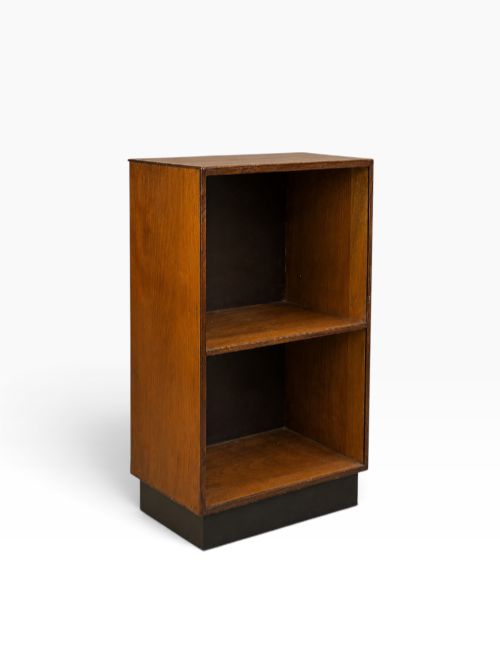
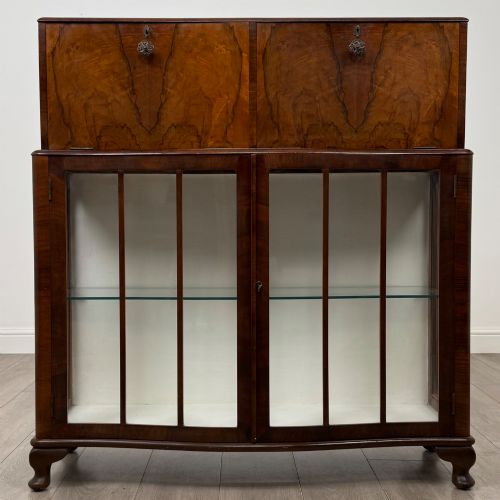
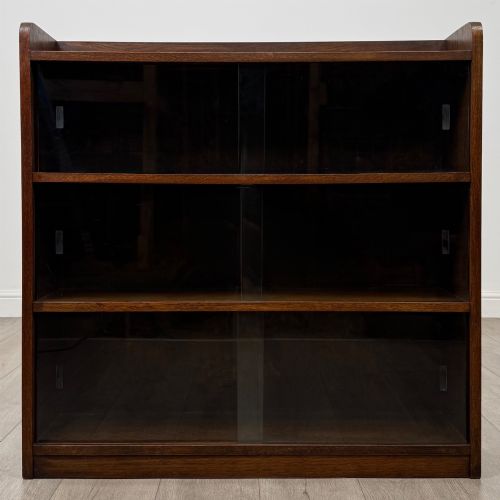
An art deco display bookcase combines visible shelving for volumes with glazed compartments to hold prized ceramics, taking form largely in walnut and oak during the interwar years.
Art Deco Display Bookcase
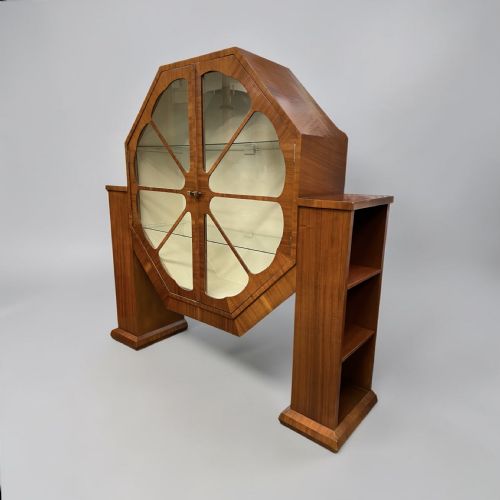
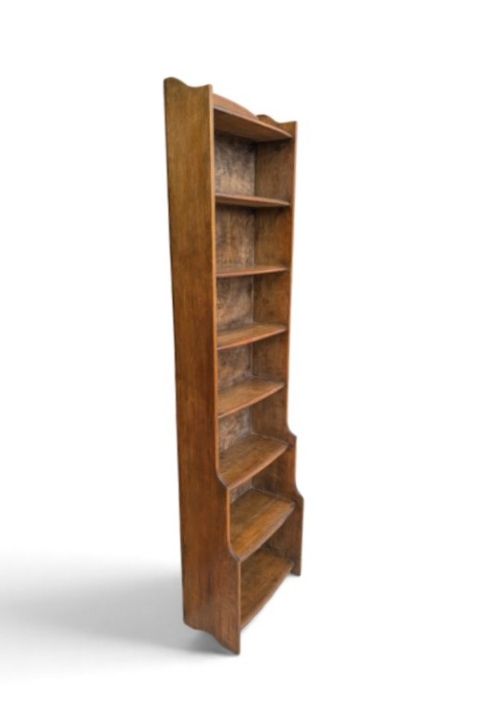
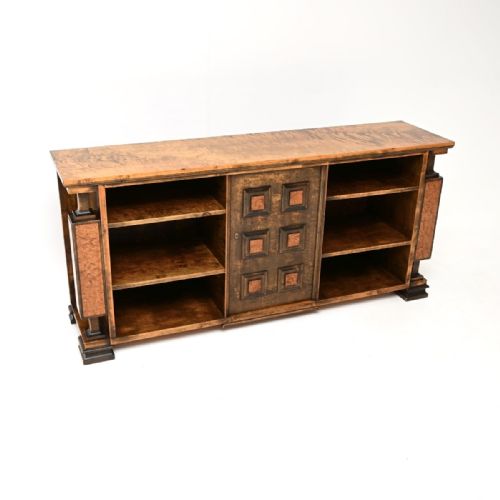
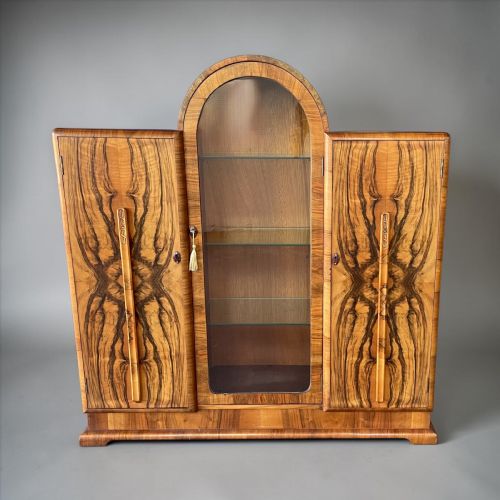
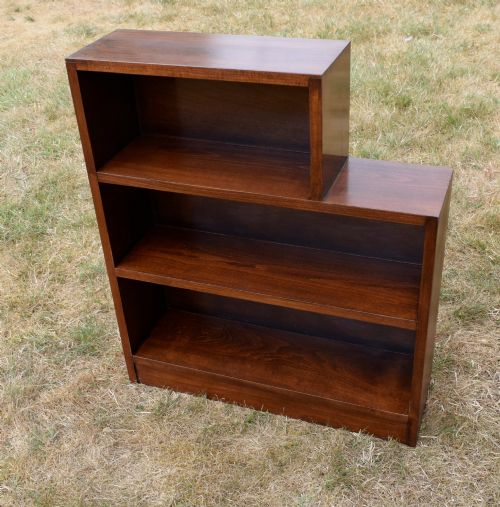
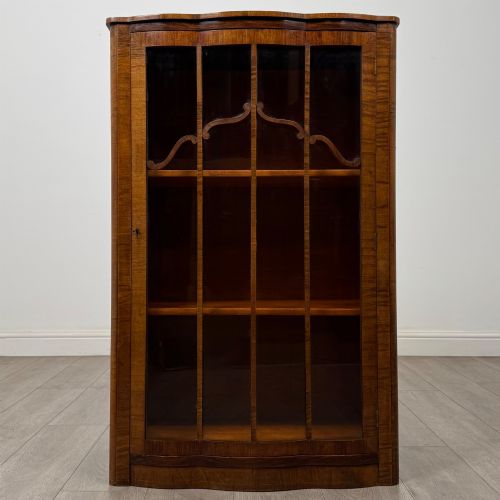
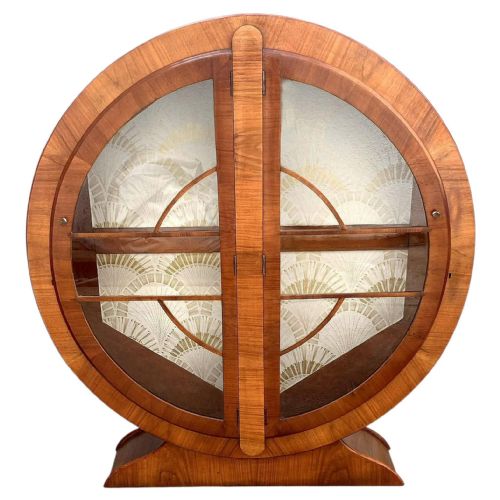
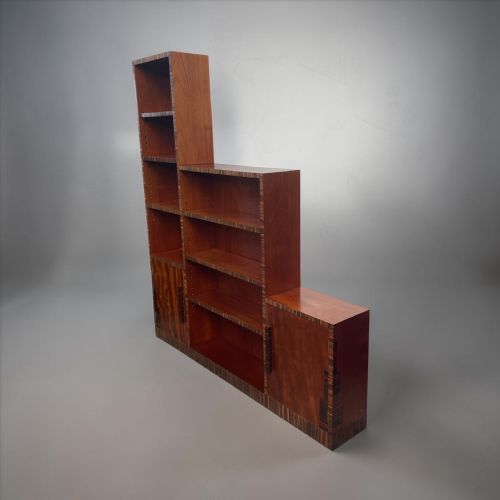
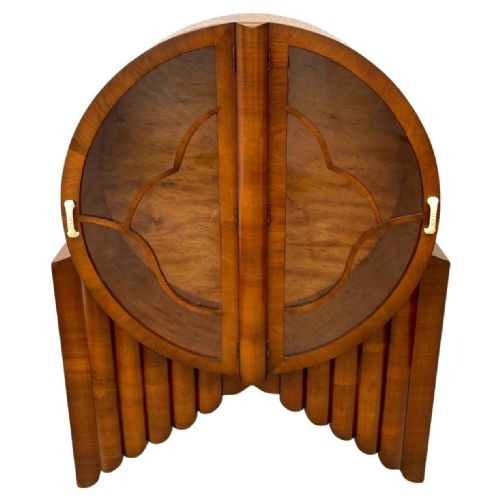
An art deco display bookcase brings together the practical storage of a library with the glass-fronted presentation of a cabinet, serving the interwar domestic interior. These hybrid forms range from stepped profiles and circular vitrines to tall glazed cupboards flanked by open shelves.
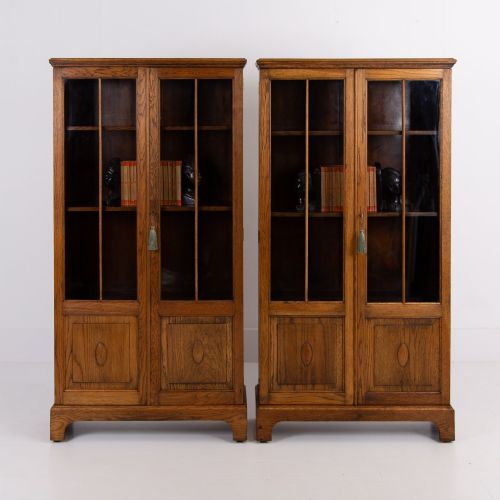
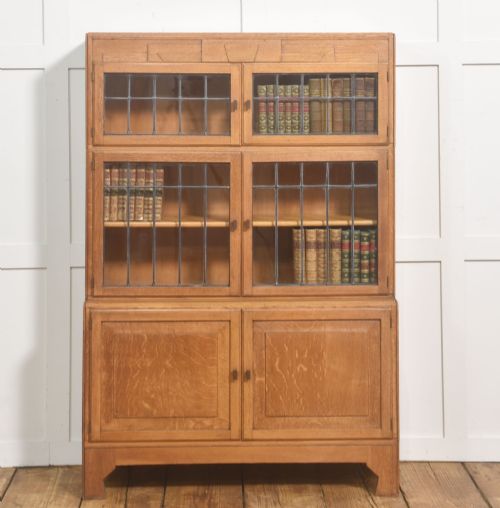
Most examples found here date from the 1930s, though pieces span the 1910s to the 1940s with influences from Edwardian makers and Swedish Grace. They appear in configurations of single upright bodies, pairs, and sectional units designed to house both books and decorative objects.
Materials and construction
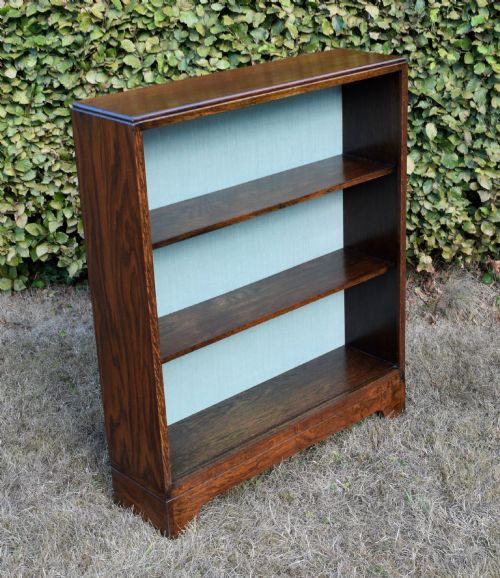
Makers built these pieces primarily using solid oak and figured walnut veneers, often incorporating burr walnut, satin birch, ash, and mahogany to create striking grain patterns on the exterior surfaces. Brass hardware, leaded glass panes, and occasionally fabric linings provide the functional and decorative detailing.
Joinery techniques ranged from traditional cabinet-making to specialised curved bending for circular vitrines and waterfall edges. Leaded glass and glazed wooden frames secure the display sections, while internal shelving accommodates varying heights of books and porcelain.
Listings demonstrate a heavy reliance on walnut and oak, with burr walnut appearing on high-status cabinets from the interwar decades.
What separates the finest examples
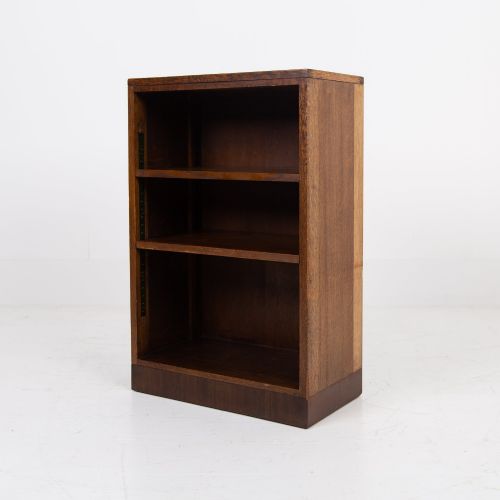
The choice of timber veneer dictates much of the visual merit, where book-matched burr walnut or select satin birch displays a deliberate symmetry across the doors and facade. Plain domestic oak represents the sturdier utilitarian end of the scale, whereas figured grains and exotic woods elevate a piece.
Architectural ambition also separates standard production from superior cabinet-making, evident in stepped cornices, curved glass fronts, and bespoke mouldings. Maker attribution, through labels or documented design traits, further distinguishes individual workshops from anonymous mass manufacturing.
Betty Joel·Maurice Adams·Heals·Epstein·Rurka
The Art Deco Display Bookcase Glossary
- Burr walnut
- A wood harvested from the abnormal growth of a walnut tree, yielding complex swirling grain patterns. It was frequently utilised on cabinet doors to create decorative symmetry.
- Veneer
- A thin layer of superior wood adhered to a secondary timber base. This technique allowed makers to exhibit expensive grains across large surfaces without structural warping.
- Vitrine
- A glass-fronted cabinet intended for the display of curiosities or fine porcelain. These structures often feature internal shelving and glass sides for maximum visibility.
- Leaded glass
- Small panes of glass held together by strips of lead cames. This method formed geometric or stylized patterns typical of the period.
- Stepped bookcase
- A shelving unit featuring receding tiers that create a profile resembling a ziggurat or staircase. The geometry reflects modernist architectural influences.
Art Deco Display Bookcase: Frequently Asked Questions
What is an art deco display bookcase?
It is a hybrid furniture form designed in the interwar period that combines open or enclosed shelving for books with glazed compartments for exhibiting decorative objects. These cabinets serve both library and display functions within the domestic interior.
They appear in various timbers such as oak and walnut, utilising geometric lines, curved glass, and stepped silhouettes characteristic of twentieth-century design.
How do I distinguish 1920s from 1930s pieces?
Pieces from the 1920s often incorporate earlier revival influences, such as Egyptian motifs or heavier traditional proportions, alongside emerging modernist lines. The 1930s favoured streamlined curves, waterfall edges, and unadorned figured veneers.
Makers of the later decade embraced architectural symmetry, circular vitrines, and stepped profiles that reflected contemporary industrial progress.
How were these cabinets used originally?
Owners used them in reception rooms and libraries to store prized literary collections while simultaneously exhibiting porcelain, glassware, or silver behind glass doors. The dual nature allowed a household to keep everyday volumes alongside delicate ornaments.
Some variants included built-in desks or specialised compartments for documents, uniting work and leisure furniture in one facade.
How do I care for walnut veneer?
Walnut veneer requires protection from direct sunlight and extreme fluctuations in temperature to prevent the thin surface layer from drying out or splitting. Gentle dusting with a dry cloth maintains the timber without stripping natural oils.
Avoiding excessive moisture is essential, as water can penetrate the grain and lift the adhesive holding the veneer to the core wood.