
Art Deco Diamond Cocktail Ring
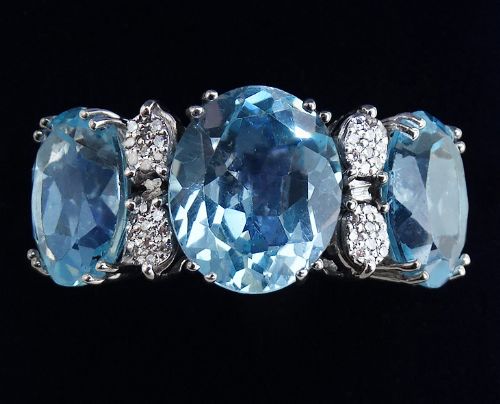
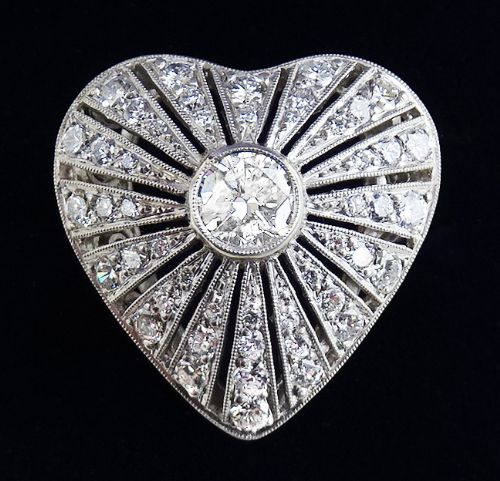
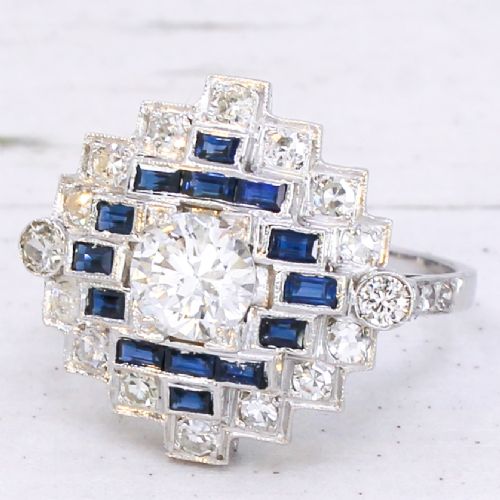
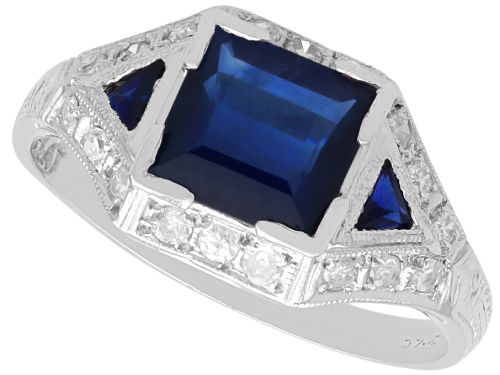
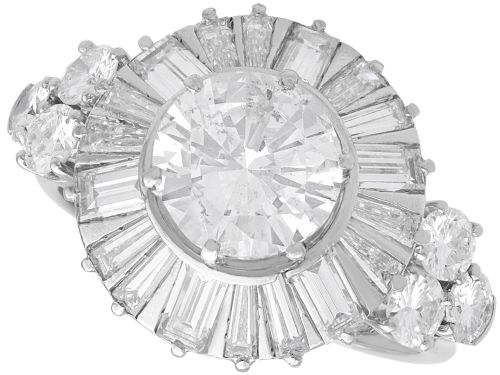
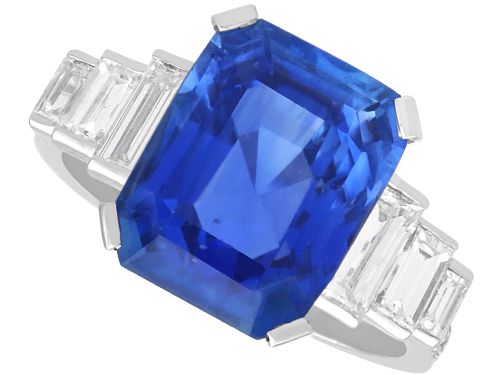
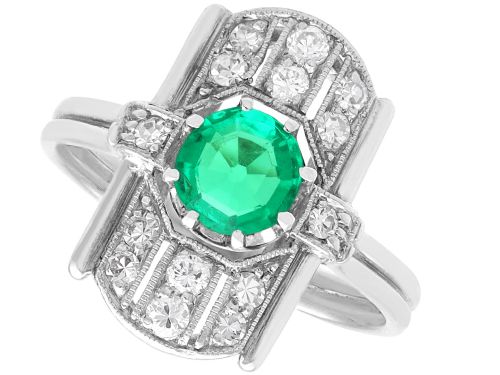
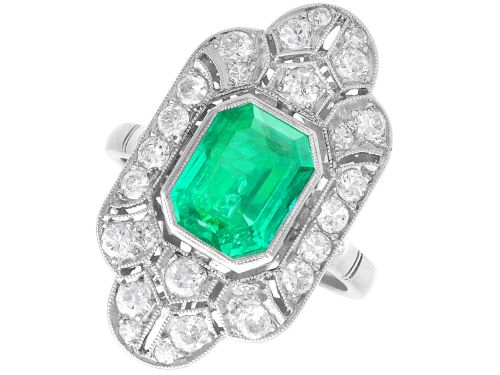
An art deco diamond cocktail ring delivers high-contrast glamour through geometric platinum settings and brilliant old-cut stones designed to catch the evening light.
Art Deco Diamond Cocktail Ring
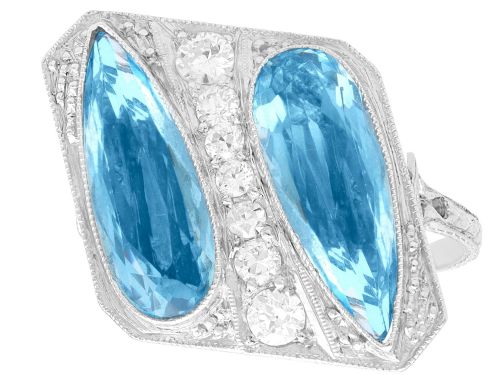
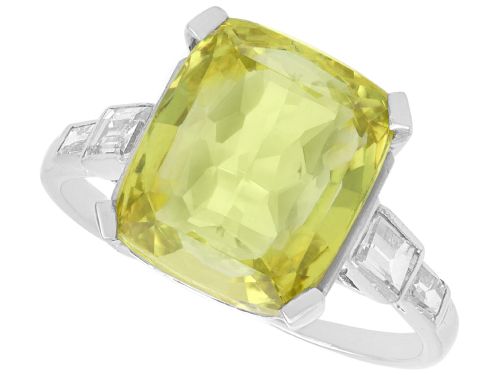
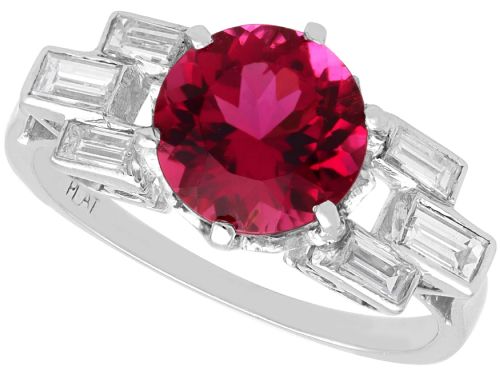
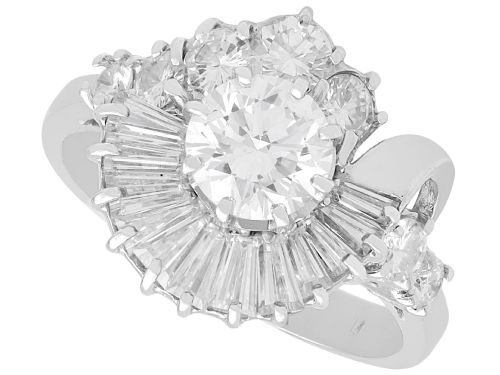
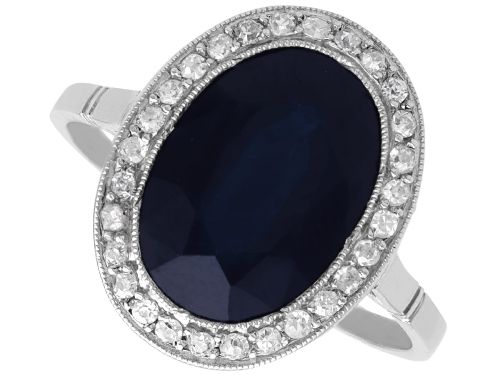
When you search for an art deco diamond cocktail ring, you enter a world of bold geometry, elongated navette profiles, and architectural cluster forms. The majority of pieces found here date from the 1920s and 1930s, accompanied by mid-century revivals that retain the same dramatic presence on the hand.
Jewellers of the period favoured symmetrical layouts that balanced central diamonds against calibre-cut sapphires, rubies, or emeralds. These dress rings were originally conceived for evening wear during the Jazz Age, intended to draw the eye across a crowded room.
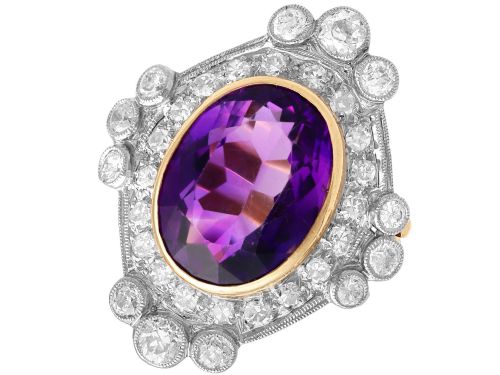
The profile often sits low to the finger despite the generous spread of stones, utilising stepped shoulders and openwork galleries. Whether you encounter a classic diamond cluster or a vibrant multi-gem centrepiece, each example showcases the definitive taste of the interwar years.
Materials and Construction Methods
The rise of platinum during this era allowed workshops to fashion knife-edge claws and delicate millegrain borders that held stones securely without heavy metal bulk. Alongside platinum, 18ct white gold and yellow gold provided the structural foundations for intricate galleries and pierced shoulders.
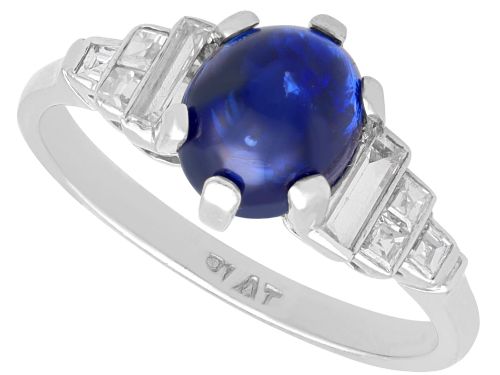
Diamonds of the period were predominantly old-cut, featuring smaller tables and deeper pavilions that produced a softer, more intimate sparkle under candlelight than modern brilliant cuts. Gemstones such as calibre-cut sapphires and rubies were specifically shaped to fit flush against geometric metal channels.
Master artisans employed hand-piercing and engraving techniques to create lace-like metalwork that supported substantial centre stones, including aquamarines, opals, and tourmalines. This combination of durable platinum and precise gemstone setting ensured these elaborate cocktail pieces survived decades of social wear.
Listings span the 1910s through the 1960s, showcasing platinum, white gold, and yellow gold set with diamonds, sapphires, rubies, and emeralds.
Distinctions in Quality and Craftsmanship
The distinction between standard production and exceptional studio work lies in the crispness of the geometric hand-piercing and the uniformity of the millegrain decoration. Superior examples display seamless alignment where coloured calibre stones meet the surrounding diamond pavé, with no gaps in the metal channels.
The choice of central gemstone heavily influences the overall calibre of the piece, particularly regarding natural colour saturation and clarity in unheated rubies, sapphires, or emeralds. Master jewellers also ensured that the proportions of the shank harmonised with the dramatic head of the ring, maintaining structural integrity over generations of wear.
The Art Deco Diamond Cocktail Ring Glossary
- Navette
- A boat-shaped gemstone setting that tapers to sharp points at either end. This elongated silhouette flatters the finger and defines many classic cocktail designs from the interwar period.
- Calibre cut
- Gemstones specifically shaped and cut to fit tightly into geometric channels without visible claw settings. This technique creates continuous blocks of vibrant colour within the metalwork.
- Millegrain
- A decorative technique featuring a row of tiny, raised metal beads along the edge of a setting. It softens the visual transition between metal and stone while adding refined texture.
- Old cut
- Diamond cutting styles pre-dating the modern round brilliant, characterised by smaller tables and hand-faceted proportions. These stones exhibit a distinctive, warm scintillation in low-light environments.
- Cluster ring
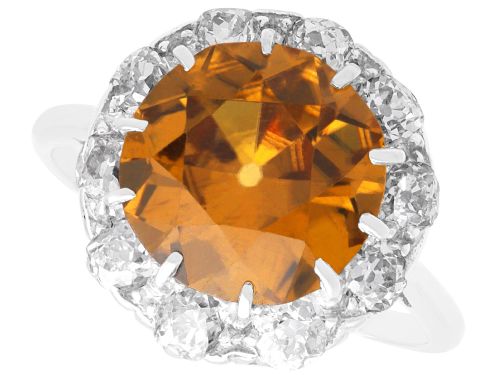
- A design featuring a prominent central stone encircled by a border of smaller gems. This configuration maximises visual impact and structural presence on the hand.
Art Deco Diamond Cocktail Ring: Frequently Asked Questions
How do I wear a cocktail ring daily?
These historical pieces were built for evening socialising rather than heavy manual tasks, so removing them during gardening or sports preserves the delicate platinum settings.
Pairing your ring with simpler bands allows the geometric design to remain the focal point of your hand without claw friction from adjacent jewellery.
What metals were used in these rings?
Platinum became the premier metal of choice during the period because its strength allowed jewellers to create ultra-fine wirework and secure prong settings.
Yellow and white 18ct gold also appear frequently, often providing a warm contrast to the bright white diamonds and saturated calibre-cut gemstones.
How are coloured gems certified?
Many significant sapphires, rubies, and emeralds featured in these dress rings are accompanied by specialist gemmological reports confirming their natural origin and treatment status.
These documents provide invaluable data regarding geographical provenance and clarity enhancements made over the lifespan of the stones.