







Art Deco Decor
Art deco decor brings geometric lines and striking metals into domestic spaces, offering both period utility and sharp visual rhythm.
Art Deco Decor
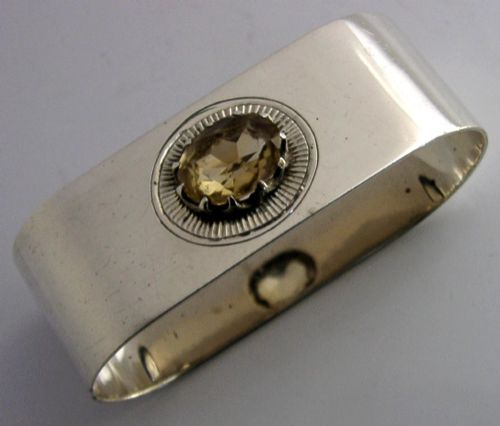
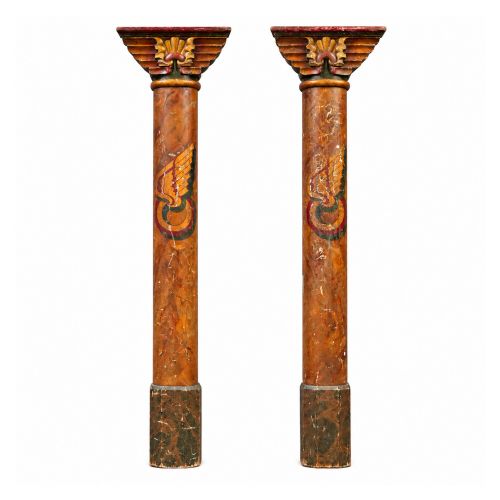
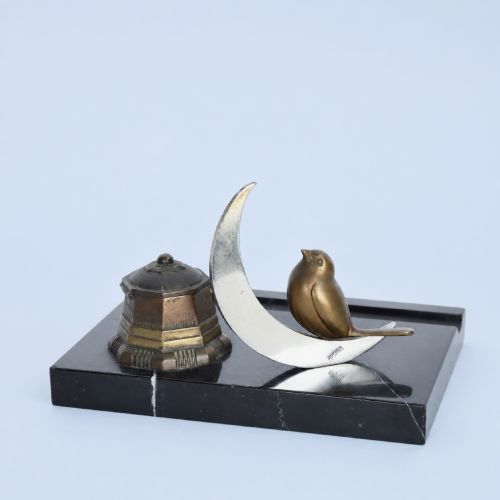
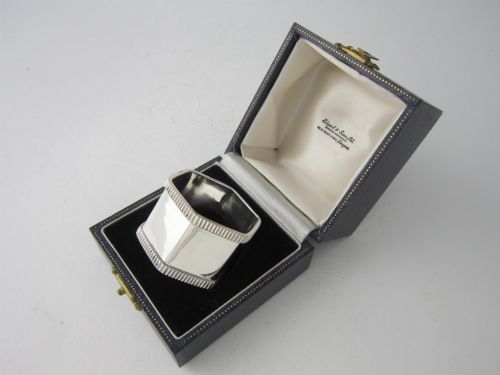
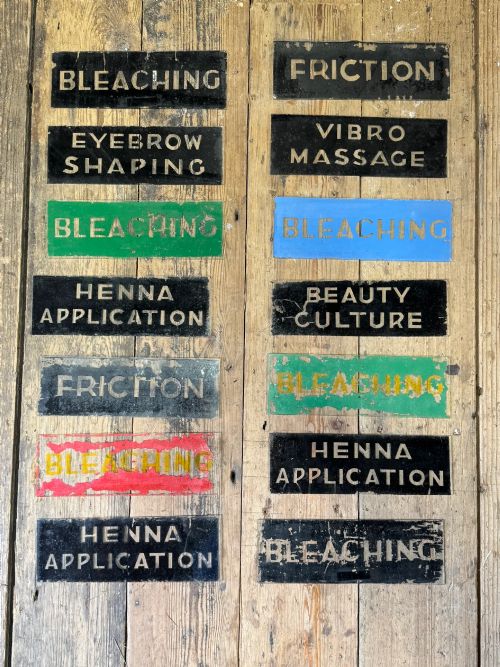
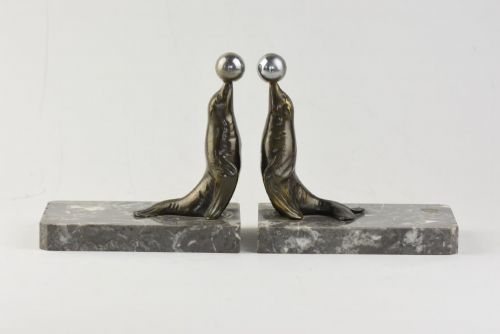
Art deco decor encompasses a varied selection of functional items and decorative objects produced primarily across the 1920s, 1930s, and 1940s. These domestic items include desk accessories, bookends, candlesticks, napkin rings, and wall signs intended for display.
The objects originate from English, Italian, Austrian, and wider European makers, spanning distinct aesthetics such as strict geometric styles, maritime themes, and Amsterdam School influences. Buyers encounter solid silver tableware alongside bronze figures and marble desk tidies.
How they were made
Metalworking techniques shape much of this category, utilising cast bronze and spelter alongside spun chrome, brass, and solid sterling silver. Silversmiths applied detailed hallmarks, while metalworkers combined patinated finishes with contrasting elements.
Stonemasons and glassmakers shaped materials like black marble, specimen marble, peach glass, and reverse-painted glass. Craftsmen also employed wood veneers, ceramics, and guilloche enamel to enrich decorative surfaces.
Art Deco Decor Retail Price Guide 2026
Typical asking prices for art deco decor among the pieces listed under this phrase on Sellingantiques today, from the lower quarter to the upper quarter. They describe what is for sale here now, not the wider market.
Listings feature items dated from 1910 to 1940, with a strong concentration of pieces originating around 1930.
What varies in quality
The standard of execution separates robust foundry work from simpler cast objects, particularly visible in the crispness of detail on bronze animal sculptures and spelter figures. Surface finishes, whether hand-tinted photos, guilloche enamel, or silver polish, reveal the original precision of the maker.
Material selection dictates the tier of domestic pieces, distinguishing solid sterling silver and heavy marble bases from lighter plated metals. Fine ceramic tiles, hand-painted glass signs, and detailed wood veneers show superior craftsmanship compared to standard production items.
David Andersen·Gio Ponti·Keith Murray·Michel Decoux·Richard Ginori
The Art Deco Decor Glossary
- Spelter
- A zinc alloy frequently utilised as a cost-effective alternative to bronze for sculptural figures and bookends during the interwar period. It accepts various patinated finishes to simulate heavier metals.
- Guilloche enamel
- A decorative technique involving precise mechanical engraving beneath translucent enamel layers. This method appears frequently on desk accessories and silver napkin rings.
- Pietra dura
- An Italian technique using cut and fitted polished coloured stones to create geometric or pictorial designs on marble panels. It requires exceptional precision from the stonemason.
- Wall masque
- A ceramic or plaster sculptural relief intended for wall mounting, depicting a stylised human face. These pieces are typical of European modernist interior design.
- Amsterdam School
- An architectural and design movement characterised by expressive forms, traditional brickwork, and rich exotic wood veneers. Pieces from this style exhibit organic yet monumental silhouettes.
Art Deco Decor: Frequently Asked Questions
What materials are common in art deco decor?
The category relies heavily on metals such as bronze, chrome, brass, and sterling silver. Natural elements like marble, alabaster, glass, and tortoiseshell also appear frequently across the objects.
Craftsmen combined these materials to create stark contrasts in texture and colour, defining the aesthetic of the interwar period.
How do I identify a 1930s desk accessory?
Desk items from this decade often feature streamlined geometric forms, calendar mechanisms, or integrated inkwells and pen rests. Materials typically include black marble, bronze, or silver.
Maker marks, English silver hallmarks, and patent stamps help confirm the exact decade of manufacture.
Were bookends functional or purely decorative?
Bookends served a dual purpose in period interiors, supporting heavy volumes while functioning as sculptural artworks. Makers cast them in bronze, spelter, and carved them from marble or bamboo.
Common subjects ranged from animal figures like albatrosses and sealions to literary busts and stylized human dancers.
How should I clean silver napkin rings?
Solid sterling silver items require gentle polishing with a dedicated soft cloth to preserve surface details and hallmarks. Avoid harsh chemical dips that strip away period patination.
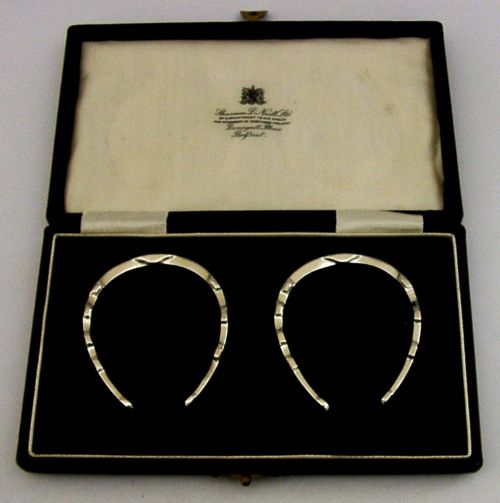
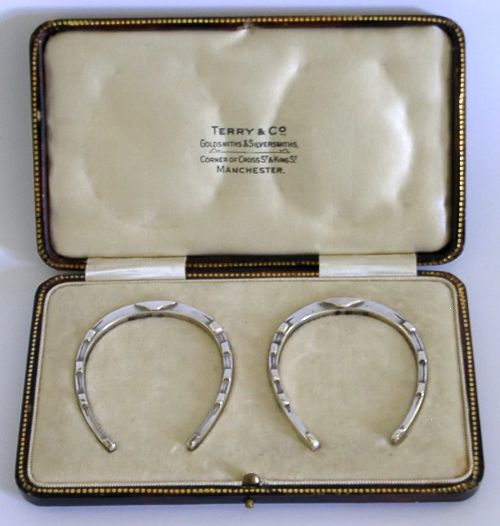
Stablished cased sets should be stored dry to protect both the silver and the original interior lining.