

Art Deco Cabinet Cupboard
An art deco cabinet cupboard brings geometric warmth and practical storage to a room through figured veneers and clean architectural lines.
Art Deco Cabinet Cupboard
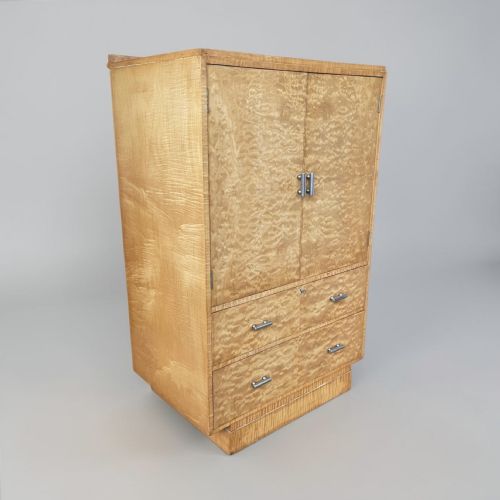
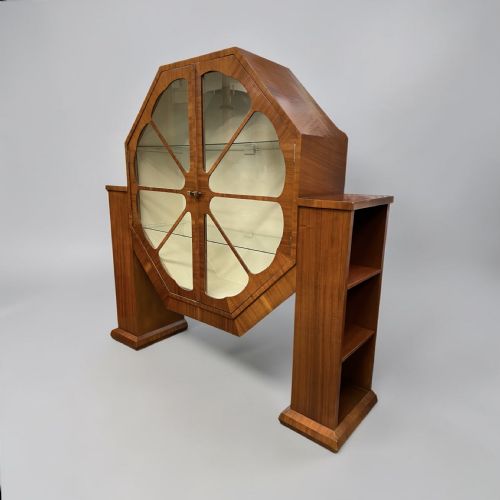
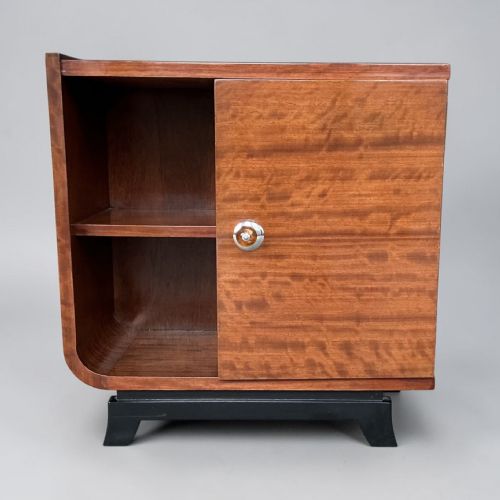
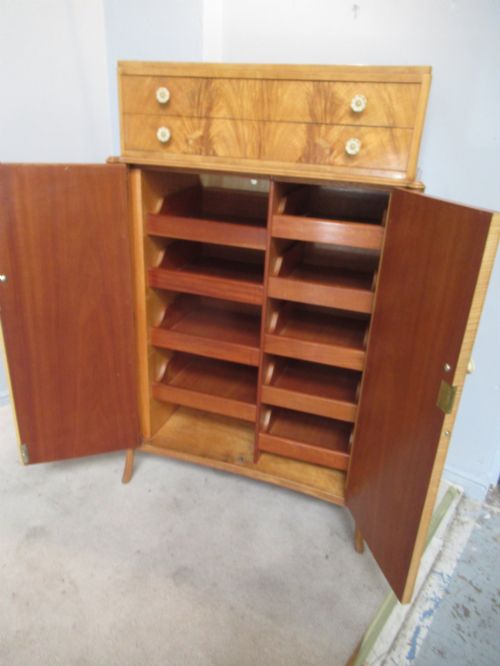
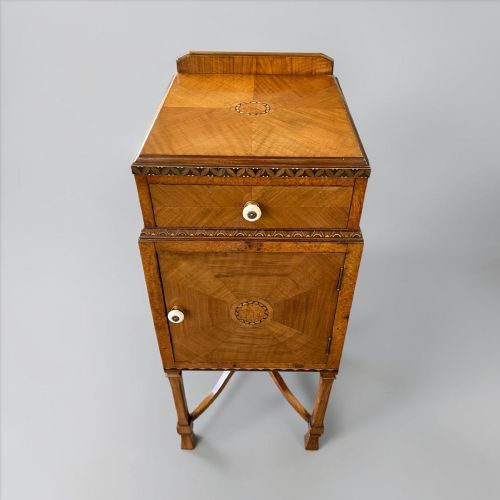
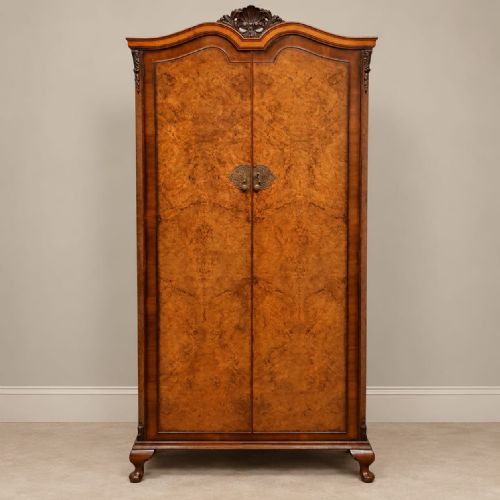
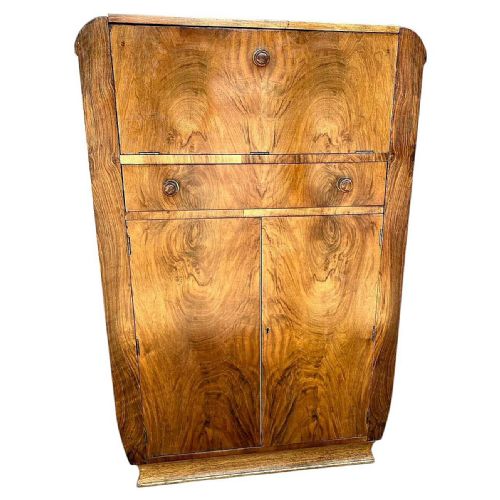
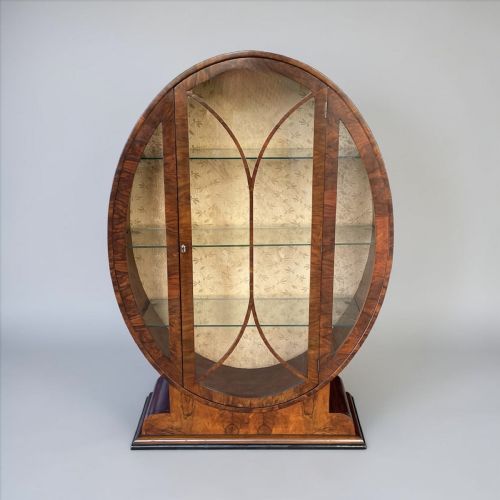
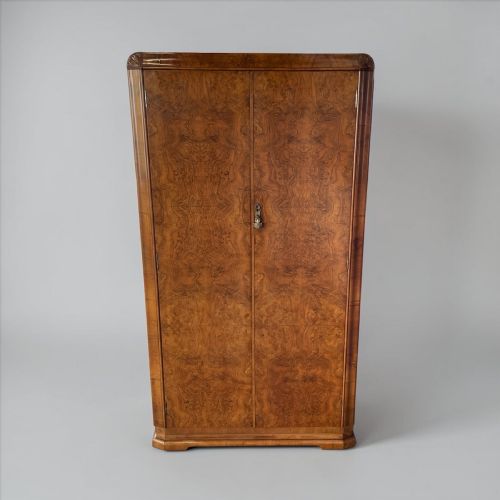
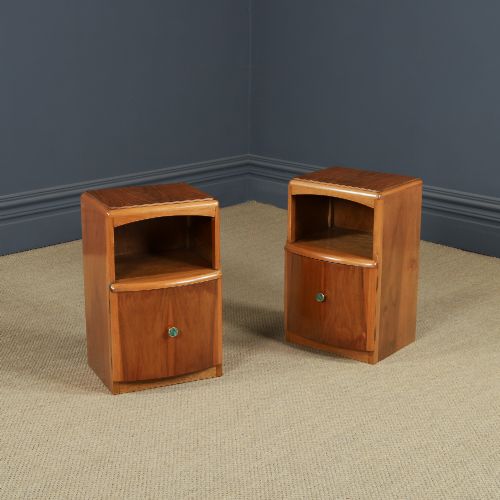
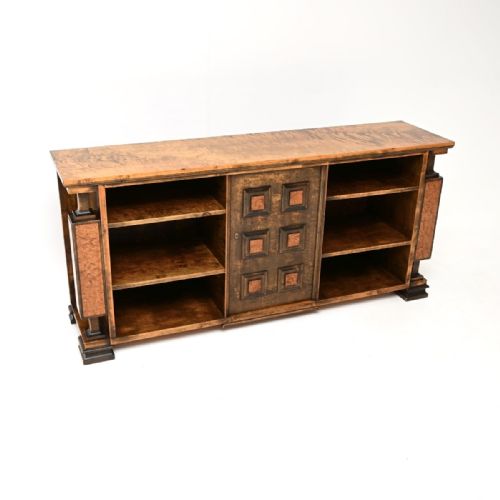
When searching for an art deco cabinet cupboard, buyers encounter a diverse selection of storage furniture originating primarily from the nineteen-twenties, nineteen-thirties, and nineteen-forties. The assortment includes bedside tables, display cabinets, cocktail cabinets, sideboards, and wardrobes designed for functional domestic use.
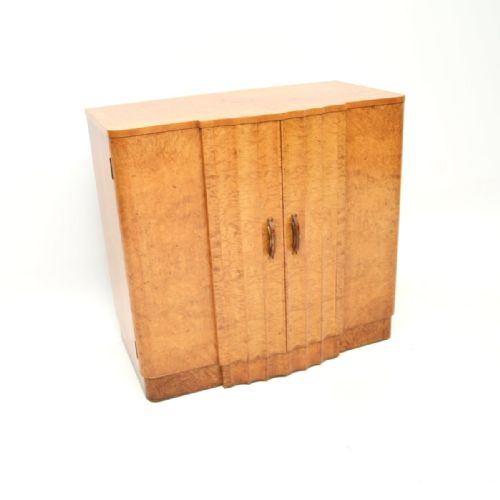
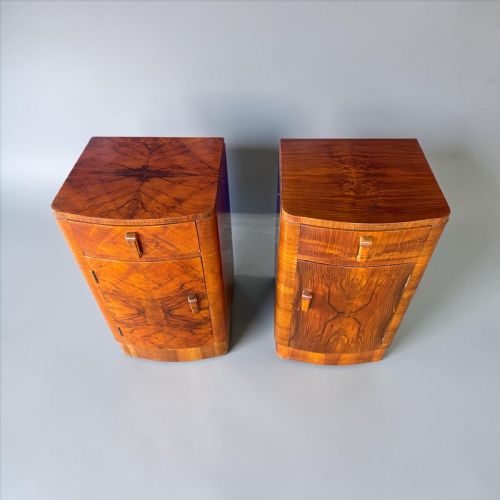
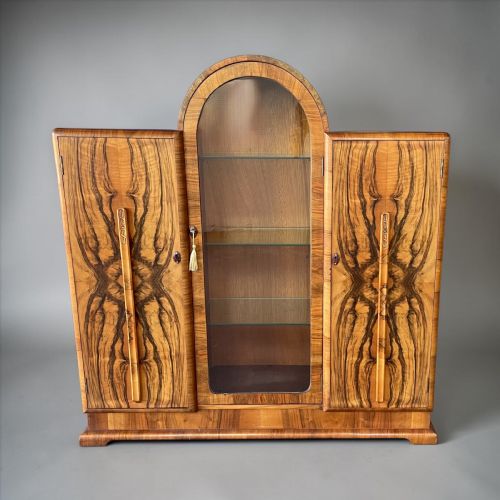
The most common examples on this page are compact bedside cabinets and larger cocktail or display pieces produced in walnut, burr walnut, and oak. These items range from English production to French and Swedish interpretations of the style, reflecting international design movements of the period.
Materials and Construction
Cabinet makers utilised solid woods like oak and mahogany as foundational structures, then applied decorative veneers such as burr walnut, satin birch, and rosewood to exterior surfaces. This technique allowed craftsmen to display striking wood grain patterns across wide panel doors and drawer fronts.
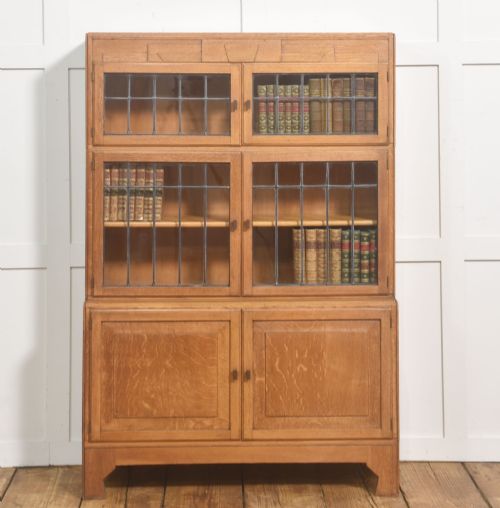
Metal elements including brass and bakelite appear as handles, hinges, and decorative trims, while glass is integrated into leaded bookcase doors and display shelves. Parchment inlay also appears on select French examples, adding texture to the wooden facades.
Several cabinets include secret compartments designed specifically for holding sheet music or clandestine cocktail supplies.
Craftsmanship and Proportion
Quality in these pieces rests upon the selection and bookmatching of wood veneers, where symmetrical grain patterns elevate the visual impact of the cabinet. Superior examples display careful alignment of grain across multiple doors and drawers.
Construction methods also dictate grade, distinguishing standard commercial production from bespoke workshop output. Integrated hardware, precise joinery, and thoughtful proportions separate ordinary storage from exceptional cabinetmaking.
Harry and Lou Epstein·Gomme·Walter Carter Harrods·Maurice Jallot·F.H. Marshall and Co Glasgow·Bath Cabinet Makers
The Art Deco Cabinet Cupboard Glossary
- Burr walnut
- A wood harvested from the wart or burl of a walnut tree, yielding swirling, highly figured grain patterns. It was frequently applied to the exterior doors of cocktail cabinets and wardrobes.
- Compactum
- A multi-compartment wardrobe combining hanging space, drawers, and shelving within a single timber unit. This form maximised domestic storage efficiency in interwar bedrooms.
- Tallboy
- A vertical chest of drawers standing upon a separate base or incorporating a cupboard section at the top. It provides generous storage while maintaining a small floor footprint.
- Leaded glass
- Small panes of glass held together by strips of lead to form geometric window patterns. This glazing technique is common on period bookcase doors.
Art Deco Cabinet Cupboard: Frequently Asked Questions
How do I identify an authentic art deco cabinet cupboard?
Look for characteristic geometric lines, waterfall edges, and symmetrical wood veneers such as burr walnut or satin birch. These visual markers align with the manufacturing practices of the nineteen-twenties and nineteen-thirties.
Hardware made from bakelite or brass further supports the period authenticity of the piece, alongside construction methods typical of interwar cabinetmakers.
Where were these cabinets placed in a home?
Bedside cabinets and nightstands sat beside sleeping quarters, while taller wardrobe and compactum versions organised clothing in bedrooms. Cocktail cabinets and display units served living rooms and dining spaces for entertaining.
Sideboards and tallboys functioned as dining room storage or general domestic utility cupboards, reflecting the specific room layouts of the period.
How should I care for wood veneers?
Protect delicate walnut and birch surfaces from direct sunlight to prevent fading and drying of the timber. Regular dusting with a soft, dry cloth preserves the polished finish.
Avoid placing damp items directly onto the wood, and maintain stable indoor humidity levels to prevent the veneer from lifting over time.
What is the difference between English and French styles?
English pieces often prioritise figured walnut and oak with practical, rectilinear forms produced by prominent firms and department stores. They focus on sturdy construction and reliable domestic utility.
French variations frequently introduce exotic materials like parchment inlay, rosewood, and satin birch with dramatic curves or striking modernist silhouettes from named designers.