


Art Deco Book
An art deco book brings together the distinctive geometric lines and rich materials of early twentieth-century design.
Art Deco Book
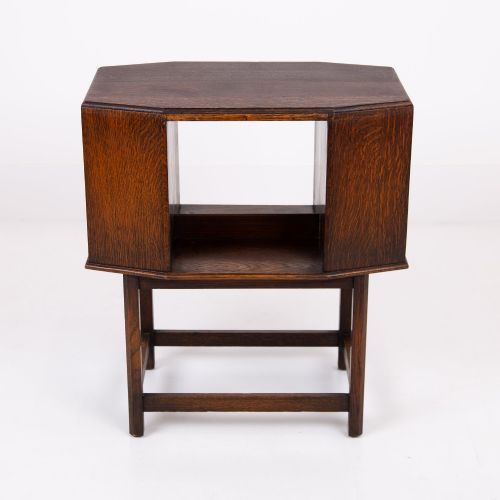
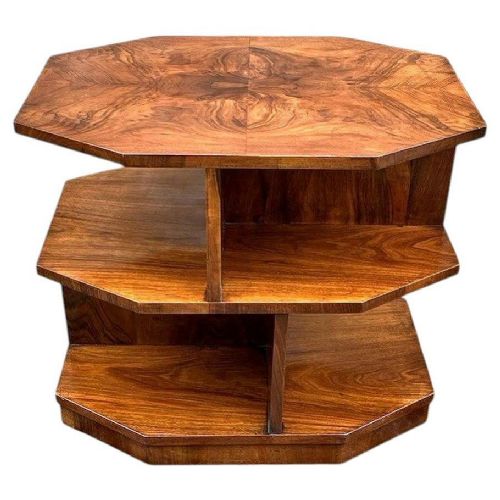
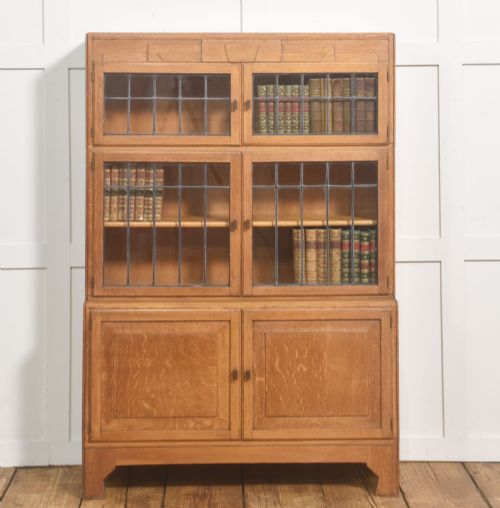
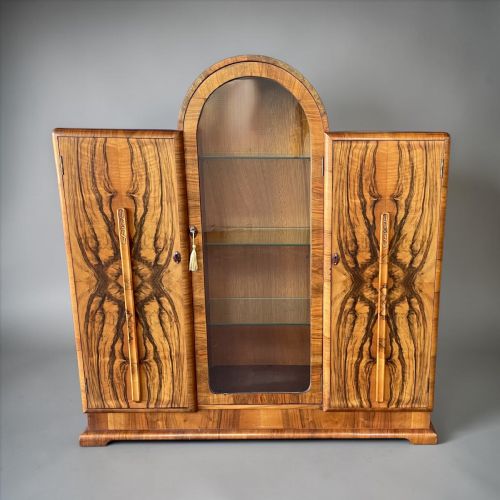
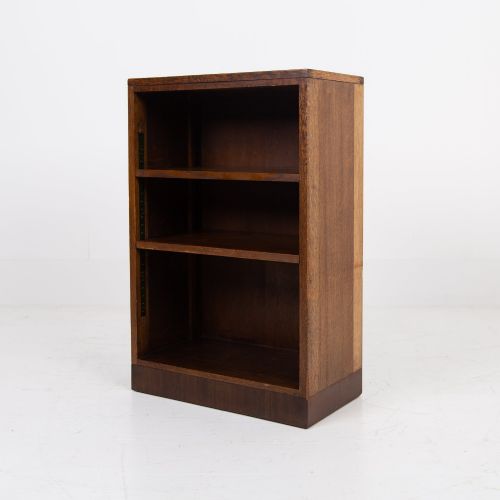
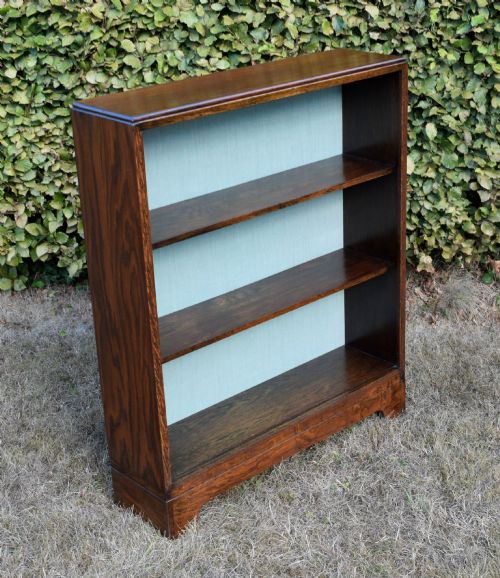
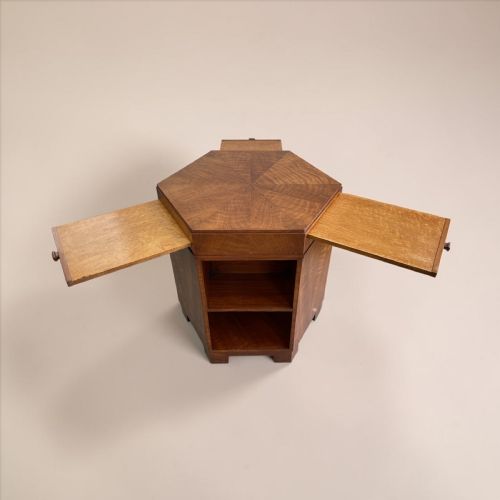
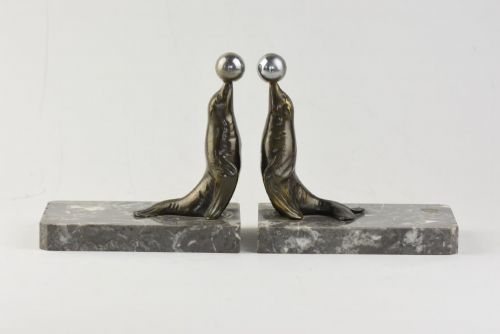
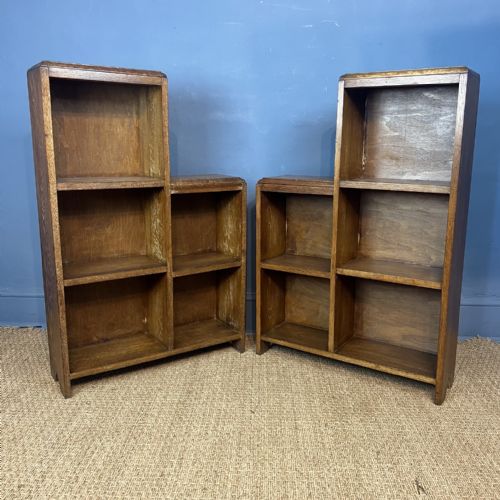
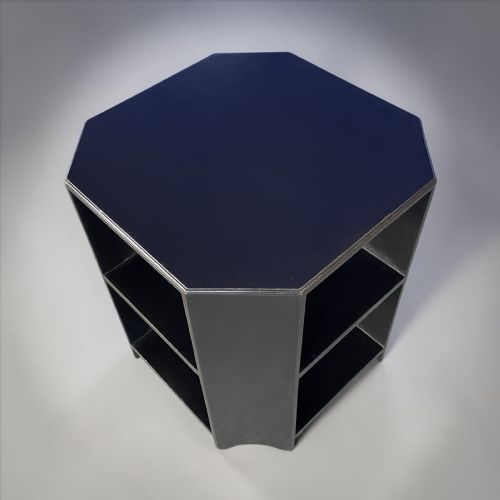
When searching for an art deco book, buyers encounter a diverse selection of furniture, accessories, and volumes dating from the early decades of the twentieth century. These items range from sturdy oak and walnut bookcases to specialised book tables, display cabinets, and decorative bookends cast in bronze, brass, ceramic, and marble.
The objects most frequently met on this page span the 1920s and 1930s, reflecting the interwar shift towards modernist forms and streamlined practicality. Alongside storage furniture, collectors find novelty items such as secret safe books and sculptural bookends depicting animals or figures.
Materials and construction
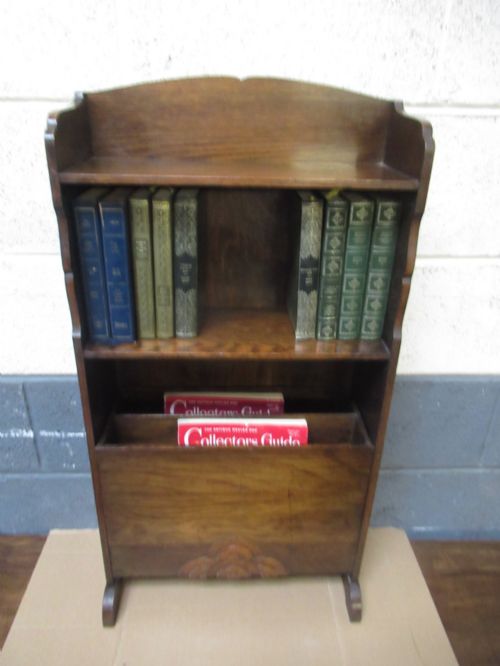
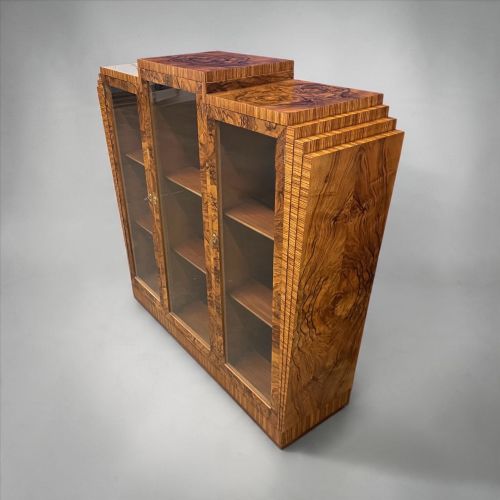
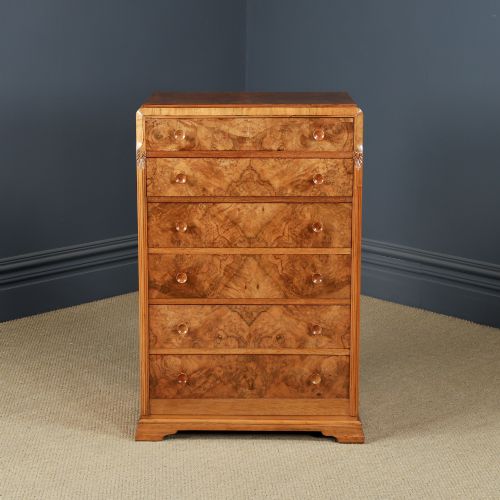
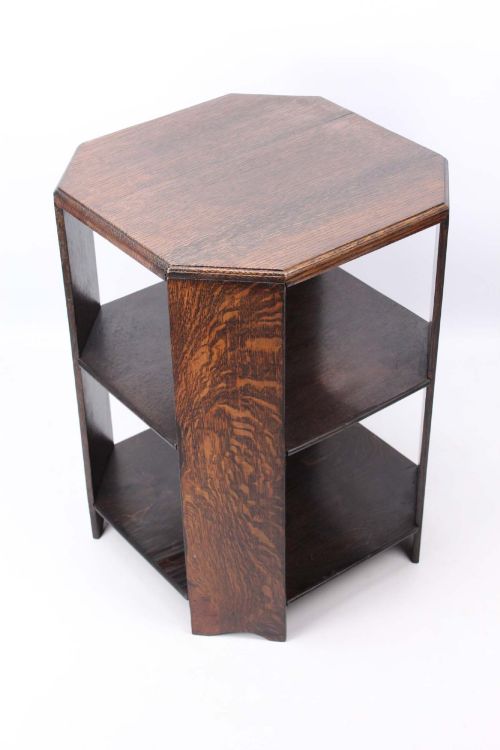
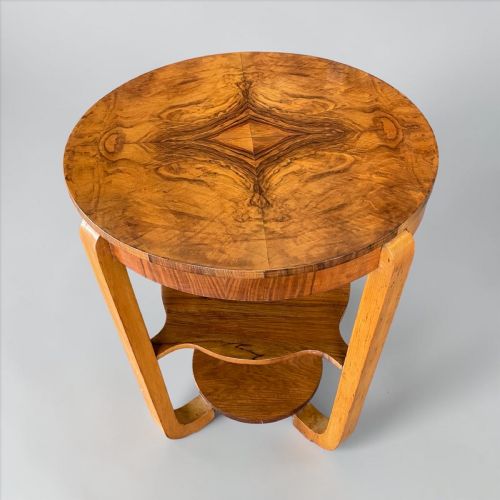
Cabinet makers working in the interwar period relied heavily on solid hardwoods like oak and walnut, often enhanced with burr and figured veneer to create striking grain patterns. Ebonised finishes and limed oak treatments also appear across tables and bookcases, reflecting contemporary tastes in interior design.
Decorative elements incorporate mixed media, utilising cast bronze, spelter, brass, and carved marble for figural bookends, alongside leaded glass panels fitted into cabinet doors. The combination of tactile woods with polished metal and stone defines the physical presence of these pieces.
Art Deco Book Retail Price Guide 2026
Typical asking prices for art deco book among the pieces listed under this phrase on Sellingantiques today, from the lower quarter to the upper quarter. They describe what is for sale here now, not the wider market.
Materials span walnut, oak, marble, glass, brass, bronze, veneer, and spelter across the listed items.
Judging quality and craftsmanship
The distinction between standard items and the top of the range rests on the choice of timber and the sophistication of the veneer work. Heavily figured walnut and burr veneers require superior skill in selection and application, creating rich visual depth that plain timber lacks.
Execution in auxiliary materials similarly elevates certain pieces, such as finely detailed bronze or ceramic casting in bookends compared to simpler commercial production. Coherence of style, evident in balanced proportions and crisp mouldings, marks out superior examples from the period.
F Abella & Sons·C Omin·V Ramirez·Compton Potters Art Guild
The Art Deco Book Glossary
- Burr veneer
- A thin slice of wood taken from a tree growth or burl, prized for its swirling, intricate grain patterns. It provides a highly decorative surface on walnut furniture.
- Spelter
- A zinc alloy commonly used as a cost-effective substitute for bronze in decorative figures and bookends. It is often painted or electroplated to imitate heavier metals.
- Leaded glass
- Small panes of glass held together by narrow strips of lead, forming geometric patterns typical of early twentieth-century cabinet doors.
- Ebonised
- Timber treated with a stain or finish to simulate the dark, dense appearance of ebony. This technique was popular in modernist and interwar design.
- Book trough
- A small, open trough-like receptacle designed to hold a selection of current reading material on a desk or table.
Art Deco Book: Frequently Asked Questions
What defines an art deco bookcase?
An art deco bookcase typically displays clean geometric lines, symmetrical forms, and an emphasis on the natural grain of woods like walnut or oak. Many examples incorporate stepped cornices or leaded glass doors characteristic of the 1920s and 1930s.
These pieces were designed to store literature while serving as sculptural elements within modernist interiors. Their proportions tend to be compact and functional compared to heavier Victorian predecessors.
How were book tables used?
Book tables served as dual-purpose furniture pieces placed beside seating areas to hold current reading material within easy reach. The lower tiers or built-in troughs kept volumes organised without requiring a full-sized wall case.
In interwar homes, they maximised space efficiency while maintaining a polished aesthetic. Oak and walnut versions were particularly common in contemporary sitting rooms.
What materials make up bookends?
Bookends from this period utilise a wide array of materials, including cast bronze, brass, carved marble, ceramic, and bamboo. Figural designs often depict animals such as sea lions, elephants, and squirrels, or human figures.
The choice of material heavily influences the weight and tactile quality of the piece. Metal and stone variants provide the necessary heft to support rows of heavy volumes.
How to date these pieces?
Dating relies on stylistic markers, construction techniques, and material preferences associated with specific decades. Pieces leaning towards Arts and Crafts influences often feature plain solid oak, whereas 1930s items frequently showcase figured veneers and modernist curves.
Signatures, stamps, or specific guild marks also assist in placing items within the interwar timeline. The transition from early twentieth-century traditionalism to streamline moderne dictates these chronological shifts.