



Art Deco Black Mirror
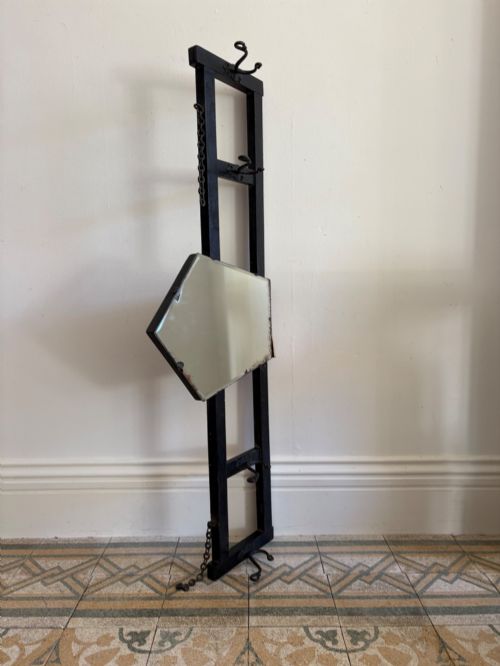
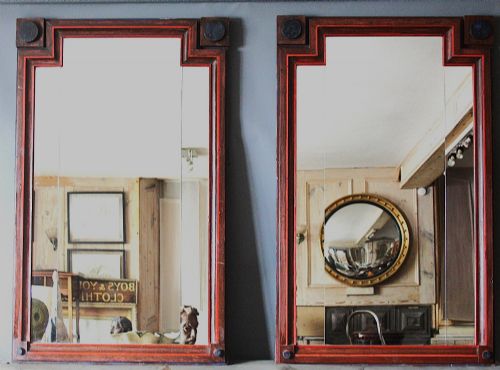
Art deco black mirror pieces capture the geometric discipline of the interwar years through dark glass and stark framing.
Art Deco Black Mirror
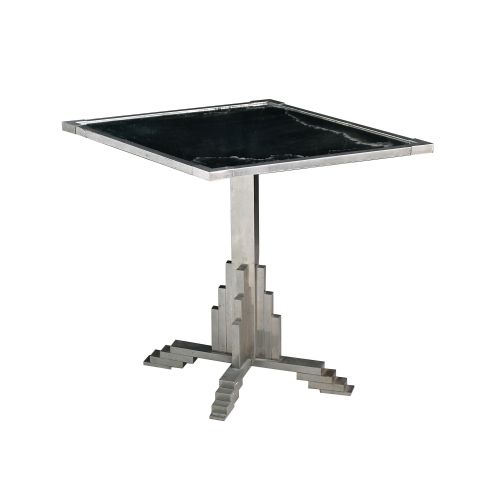
When you search for art deco black mirror designs, you encounter domestic objects ranging from wall mirrors and side tables to drinks trays and compact cases. These pieces span the early decades of the twentieth century, capturing the transition from Edwardian aesthetics into the bold geometry of the 1920s and 1930s.
The version you are most likely to meet on this page is a wall-hanging mirror or a vanity accessory featuring dark glass panels and metallic frames. Objects in this category demonstrate how functional household items adopted decorative dark surfaces to complement period interiors.
How art deco black mirror pieces were made
Makers utilised mirrored glass and standard glass treated to achieve dark reflective surfaces, often mounted onto wooden or chrome plated metal structures. These materials provided the sharp contrast and reflective depth characteristic of the period.
Construction techniques combined traditional cabinet making for wooden frames with industrial metalworking for chrome and iron components. Enamel and brass details were frequently added to accent the geometric lines of compacts, trays, and wall fixtures.
Art Deco Black Mirror Retail Price Guide 2026
Typical asking prices for art deco black mirror among the pieces listed under this phrase on Sellingantiques today, from the lower quarter to the upper quarter. They describe what is for sale here now, not the wider market.
Current listings feature items from the nineteen-hundreds through to the nineteen-thirties, using glass, wood, enamel, and chrome.
What varies in quality
Quality in these pieces rests upon the precision of the glass bevelling and the integrity of the dark mirror plates. Superior examples maintain clear silvering beneath the dark surface without widespread oxidation or clouding.
The execution of the secondary materials, such as solid wood frames, heavy brass mounts, or sturdy chrome plated metal, dictates the overall grade. Finer items exhibit seamless joints and robust construction rather than superficial plating over weak foundations.
Richard Hudnut·Mosey
The Art Deco Black Mirror Glossary
- Mercury mirror
- Glass backed with a reflective amalgam that creates a deep, mottled reflection. This finish darkens naturally over time.
- Compact case
- A small portable container for powder and cosmetics, often fitted with an internal mirror. These items frequently display enamel decoration and geometric metalwork.
- Chrome plated metal
- Iron or steel treated with a thin layer of chromium to resist corrosion and provide a bright, reflective finish. This technique defined modern industrial aesthetics in the interwar period.
- Chinoiserie
- European decorative style imitating Chinese artistic traditions. Pieces in this style often feature painted or lacquered motifs on wooden frames.
Art Deco Black Mirror: Frequently Asked Questions
What is an art deco black mirror?
An art deco black mirror is a reflective glass object produced during the early twentieth century featuring dark glass panels and distinct geometric framing. These items range from wall-mounted pieces to small vanity accessories.
They reflect the design priorities of the period, prioritising bold contrast, sleek materials, and functional elegance in domestic spaces.
How do I date a black mirror piece?
Dating these objects involves examining the backing materials, the type of glass used, and the construction methods employed in the frame. Pieces from the nineteen-twenties and thirties typically feature chrome, enamel, or specific joint styles.
Comparing the decorative motifs against known periods helps narrow down the year of manufacture.
How should I clean dark mirrored glass?
Cleaning dark mirror glass requires a soft, lint-free cloth and a mild, non-abrasive cleaning solution applied sparingly. Avoid harsh chemicals that can penetrate the edges and damage the silvering underneath.
Gentle maintenance preserves the delicate reflective surfaces and prevents moisture from causing further degradation to the backing.
Where were these pieces manufactured?
These items originated from various European and American workshops, factories, and potteries active during the early twentieth century. Countries such as France, the United States, and Czechoslovakia contributed distinct regional styles.
Local material availability and prevailing industrial techniques shaped the output of each specific region.