




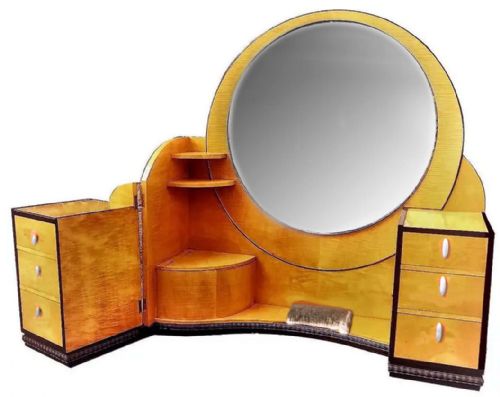


Art Deco Bedroom Units
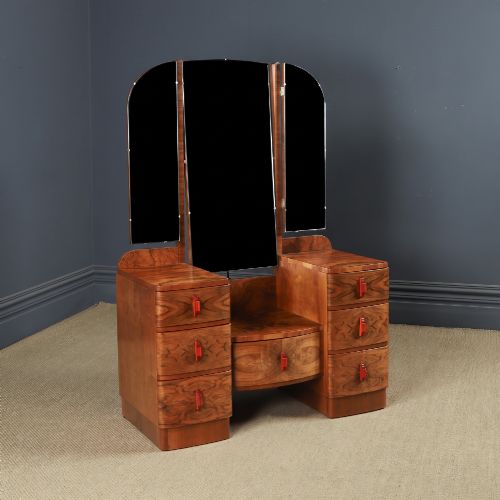
Art deco bedroom units combine striking geometric forms with rich timbers like burr walnut, offering serious presence in a modern interior.
Art Deco Bedroom Units
These pieces encompass dressing tables, cabinets, tallboys, sideboards, and complete bedroom suites dating predominantly from the 1920s and 1930s. Buyers searching for art deco bedroom units encounter substantial furniture designed with distinct architectural lines and functional storage.
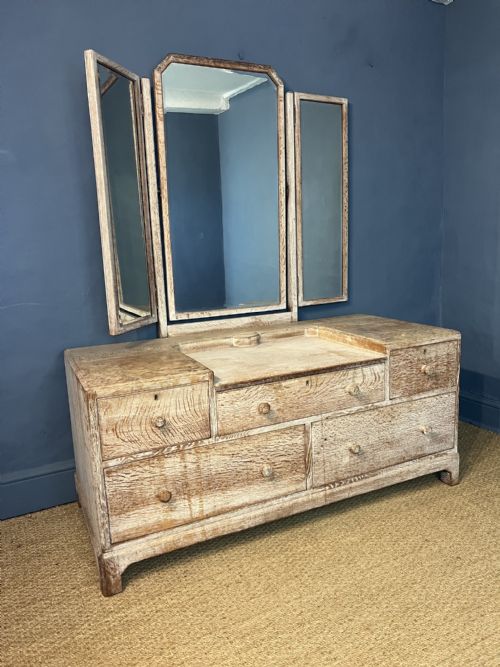
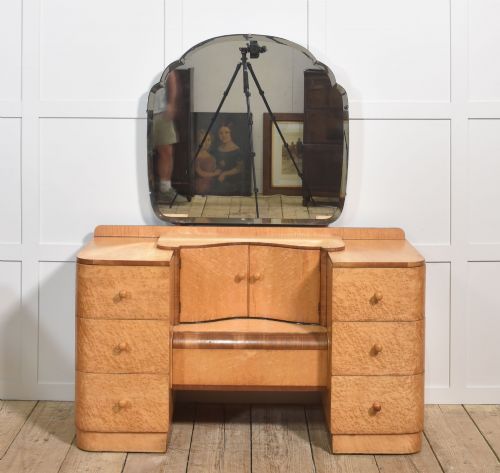
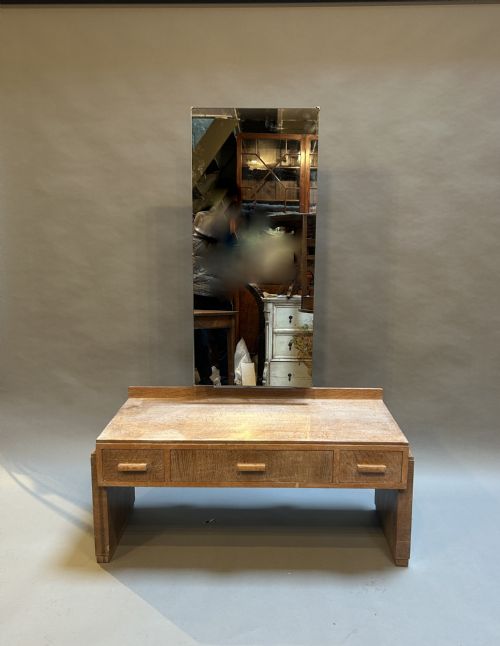
Dressing tables and chests dominate the selection, frequently paired with mirrors and built from figured timbers. Pieces range from British productions in limed oak and walnut to continental pedestal designs and industrial metal finishes.
Materials and construction
Cabinet makers utilised choice veneers such as burr walnut and standard walnut over sturdy carcases, alongside solid oak and limed oak finishes. These timber surfaces highlight natural grain patterns through careful matching across drawer fronts and doors.
Designers incorporated glass, mirror glass, and metal elements, including aluminium panels, to punctuate the wooden structures. Construction methods combine traditional cabinet-making with the era's emerging industrial techniques.
Art Deco Bedroom Units Retail Price Guide 2026
Typical asking prices for art deco bedroom units among the pieces listed under this phrase on Sellingantiques today, from the lower quarter to the upper quarter. They describe what is for sale here now, not the wider market.
Markers of distinction
The sophistication of the timber selection and veneer matching defines the higher tier of these pieces, particularly in burr walnut examples. Simpler oak constructions offer utility and restrained charm, whereas figured veneers demand greater skill from the maker.
Attribution to notable workshops or makers elevates certain pieces above standard commercial output of the period. The integration of original mirrors and specialised hardware further distinguishes superior examples.
Heals·Maurice Adams·Harry and Lou Epstein·Betty Joel
The Art Deco Bedroom Units Glossary
- Burr walnut
- A highly figured wood grain obtained from the wart-like growths on walnut trees, prized for decorative veneer work. It creates complex, swirling patterns across large drawer fronts.
- Limed oak
- Timber treated with a white or pale compound to create a light, chalky finish. This technique gained popularity in British modern furniture during the interwar period.
- Pedestal dressing table
- A vanity unit featuring banks of drawers flanking a central kneehole space, usually fitted with one or more mirrors. They provide substantial surface area and storage.
- Tallboy
- A tall upright chest of drawers, combining the capacity of a wardrobe with the footprint of a chest. These units maximise vertical storage space in a bedroom.
Art Deco Bedroom Units: Frequently Asked Questions
What defines art deco bedroom furniture?
Art deco bedroom furniture is characterised by geometric shapes, stylised symmetry, and the use of modern materials alongside traditional woods. Pieces from this era reject Victorian ornamentation in favour of clean, architectural lines.
Items such as dressing tables and tallboys often feature stepped profiles, contrasting veneers, and original hardware that reflect the optimism of the 1920s and 1930s.
How do I identify a dressing chest from this period?
Dressing chests from the interwar period typically combine drawers with integral mirror arrangements and compact footprints. They are built to serve both grooming and storage functions within the bedroom.
Look for distinctive timber selections like burr walnut or limed oak, alongside geometric drawer configurations that distinguish them from earlier styles.
Where were these bedroom units made?
These pieces originate from British workshops and continental European makers who embraced modernist design principles. Many prominent London firms and designers produced matching suites and individual vanity units during this timeframe.
Regional differences appear in the choice of timber and finish, ranging from light limed oak to dark polished walnut and industrial metal.
How do I care for burr walnut veneer?
Burr walnut veneer requires protection from direct sunlight and excessive moisture to prevent fading and lifting. Regular dusting with a soft, dry cloth preserves the polished surface.
Applying a traditional beeswax occasionally helps nourish the timber and maintain the depth of the figured grain without building up heavy residues.