


Art Deco Barware Cooler
An art deco barware cooler brings striking geometric form and practical elegance to hosting, offering a stylish vessel for chilling champagne and wine.
Art Deco Barware Cooler
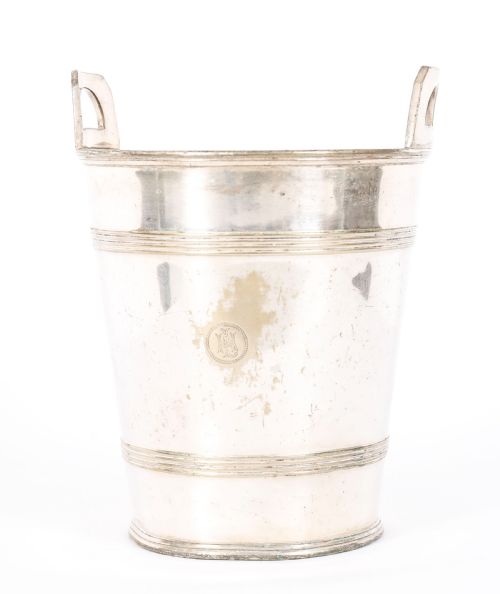
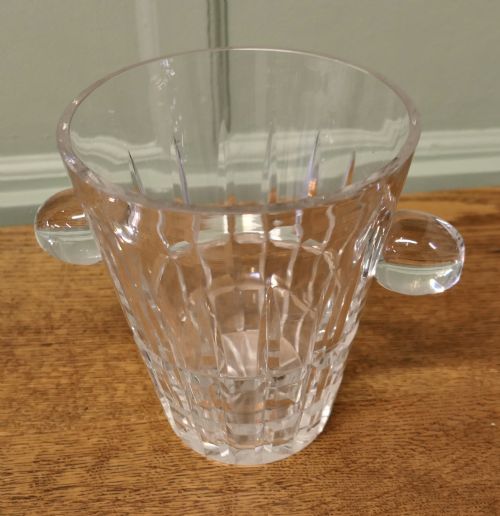
When you search for an art deco barware cooler, you are looking at substantial vessels designed to chill wine and champagne during the early twentieth century. The selection on this page centres primarily on silver-plate and heavy cut crystal forms originating from the nineteen twenties and nineteen thirties.
Most pieces take the shape of champagne buckets or ice buckets, often featuring geometric lines characteristic of the style. French and English workshops dominate the offerings, spanning floor-standing models to table-top vessels with matching liners.
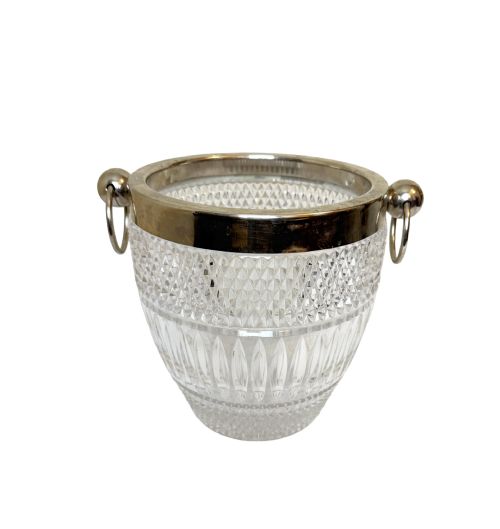
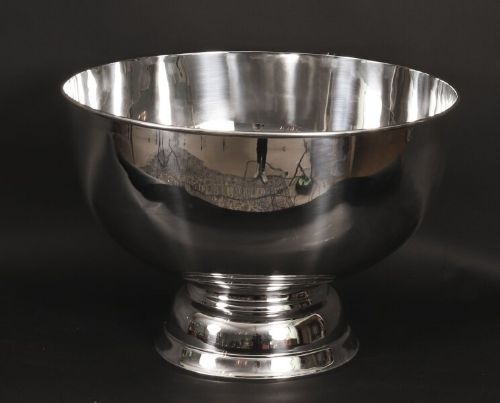
Makers from Paris and Sheffield provide the backbone of the inventory, utilising durable metals and brilliant glass to achieve a functional centrepiece. Buyers will encounter both plain polished metal finishes and deeply cut crystal bodies that catch the light.
Materials and construction methods
Makers shaped these coolers from heavy silver-plate over base metals or formed them directly from solid chrome and plated alloys. Metal spinning and casting techniques created the robust bodies required to hold ice and liquid safely over prolonged periods.
Glass elements rely on hand-blown crystal that is subsequently cut with geometric facets or linear patterns. Silver-plated mounts and swing handles were soldered or riveted to the bodies with precision, ensuring structural integrity during heavy use.
Some floor-standing models are tall enough to keep your champagne chilled at knee height while you debate the merits of jazz.
Distinguishing quality across the range
The distinction between standard commercial pieces and top-tier work rests on the weight of the metal and the depth of the crystal cutting. Superior examples exhibit thick silver plating that covers a substantial base metal foundation, resisting wear from constant handling.
Design attribution elevates certain items, particularly those associated with prominent French silversmiths or Sheffield manufacturers. The crispness of the facets on cut glass liners and the balance of handles further separate ordinary vessels from exceptional creations.
Hutton Sheffield·Mappin & Webb·WMF·Christofle·Elkington·Luc Lanel·Christofle Gallia
The Art Deco Barware Cooler Glossary
- Silver-plate
- A process where a thin layer of silver is bonded to a base metal such as copper, brass, or nickel silver. This technique offered the luxurious appearance of solid silver at a more accessible cost for domestic hosting.
- Cut crystal
- High-clarity glass shaped by cutting geometric patterns into the surface using wheels. It refracts light dramatically and adds significant weight to ice buckets and wine coolers.
- Bakelite
- An early synthetic plastic utilised for handles and insulation elements on twentieth-century barware. Its heat resistance and rich colour made it a favourite material for modernist designers.
- Gallia
- A high-grade silver-plate alloy developed and utilised by Christofle for their luxury metalware lines. Pieces bearing this mark denote premium manufacturing standards of the period.
Art Deco Barware Cooler: Frequently Asked Questions
Can these coolers hold ice all evening?
Most period vessels lack modern double-wall vacuum insulation, meaning ice will melt faster than in contemporary equivalents. Filling the vessel with a mix of ice and cold water provides the most efficient cooling.
Placing a liner inside helps protect the original metal or glass from thermal shock and prolonged moisture exposure. Ensure the container is emptied and dried after each use to preserve the interior finish.
How do I distinguish French and English coolers?
French pieces from this era often lean towards heavier crystal bodies and sculptural chrome forms associated with Parisian design houses. Makers like Christofle frequently stamped their distinct touchmarks near the rim or base.
English coolers typically rely on traditional Sheffield silver-plate over heavy base metals with restrained geometric engraving. Maker stamps from companies such as Mappin and Webb usually appear on the underside.
Are floor standing coolers stable?
Floor-standing models utilise weighted bases designed to support the heavy combined weight of ice, bottles, and liquid without tipping. They balance height and stability specifically for placement beside dining tables or seating areas.
Position them on level flooring to prevent accidental movement when guests remove bottles. The raised stature serves both a decorative and practical function during larger gatherings.