



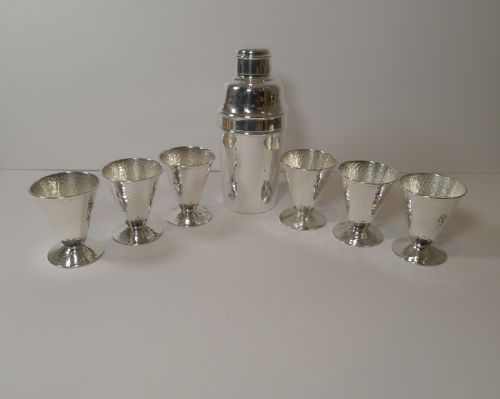


Art Deco Bar Set
An art deco bar set brings genuine period character to entertaining, spanning cocktail sticks, shakers, and decanters.

Art Deco Bar Set
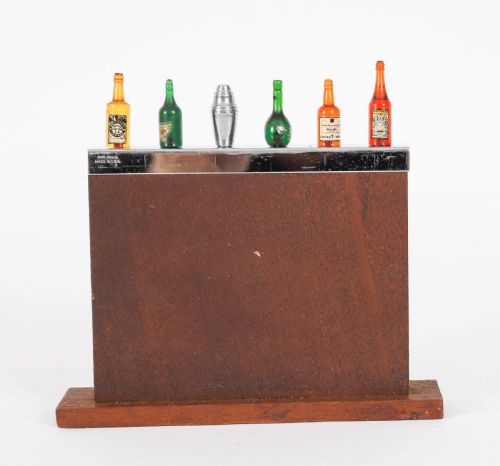
When you search for an art deco bar set, you encounter drinking accessories and serving pieces primarily from the nineteen-thirties. These range from fitted cocktail stick sets featuring novelty figures to silver-plated shakers, glass decanter sets, and ice buckets.
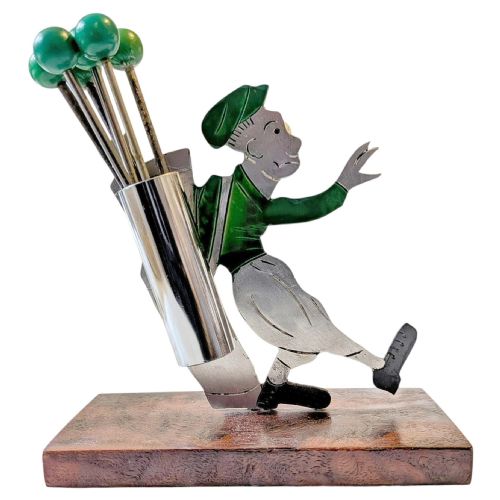
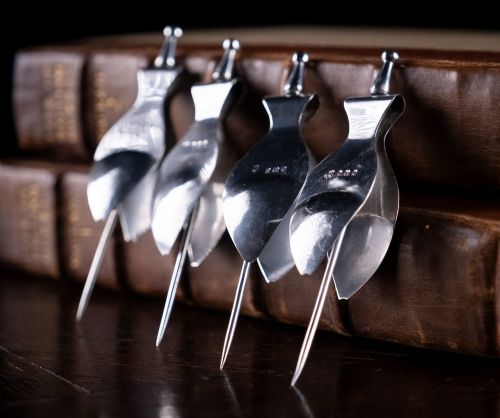
The pieces you are most likely to meet on this page originate from French workshops or British silversmiths. Novelty cocktail sticks with enamel or painted figures, such as golfers and characters by Sudre, appear frequently alongside boxed sterling silver sets.
How they were made
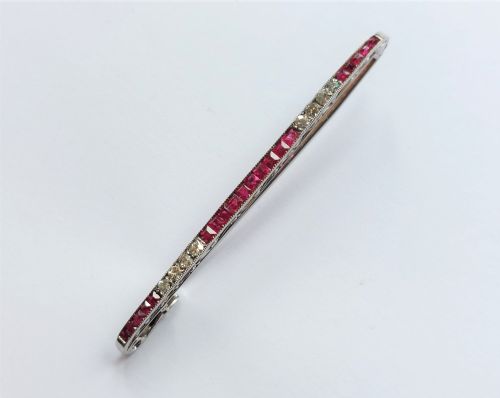
Makers utilised a combination of traditional metalworking and emerging industrial materials. Silver plating, solid sterling silver, and platinum form the metal foundations of many shakers, lemon squeezers, and brooches.
Moulders integrated early plastics such as Bakelite alongside chrome, cut glass, and enamel to achieve the clean lines and contrasting textures characteristic of the period.
Art Deco Bar Set Retail Price Guide 2026
Typical asking prices for art deco bar set among the pieces listed under this phrase on Sellingantiques today, from the lower quarter to the upper quarter. They describe what is for sale here now, not the wider market.
What varies in quality
The standard of an art deco bar set depends heavily on the execution of its decorative details and the integrity of its materials. Hand-painted enamel on novelty figures and crisp hallmarks on sterling silver distinguish finer items from standard production.
Completeness within fitted presentation boxes and the survival of matching trays or original tongs elevate the standing of a set. Superior weight in the metal and refined cutting in the glass separate the top tier from ordinary examples.
Sudre·Richard Comyns·The Barker Brothers·Joseph Lucas Ltd
The Art Deco Bar Set Glossary
- Bakelite
- An early form of synthetic plastic used for handles, bases, and novelty elements. It provides a durable, smooth finish with distinctive colour depth.
- Cocktail stick set
- A collection of small picks housed in a stand or box, often featuring figurative tops. These served guests for skewering garnishes.
- Silver plate
- A layer of silver fused to a base metal core such as copper or nickel silver. It offered the appearance of solid silver at a lower production cost.
- Decanter set
- A matching group comprising a serving tray and several bottles for spirits. They formed the centrepiece of period home bars and drinks cabinets.
- Swizzle stick
- A utensil utilised for stirring drinks to reduce carbonation. Examples appear in solid silver and German 800 standard silver.
Art Deco Bar Set: Frequently Asked Questions
What items belong in a bar set?
An art deco bar set typically includes items designed for preparing and serving drinks, such as cocktail shakers, decanter sets, and ice buckets. Many sets focus specifically on barware accessories like boxed cocktail sticks and lemon wedge squeezers.
These pieces were produced to facilitate home entertaining during the interwar period. They combine functional utility with distinct modernist design elements.
How do I clean silver barware?
Silver-plated and sterling silver items require gentle cleaning with a specialised silver cloth or mild soapy water. Abrasive materials should be avoided to protect the underlying metal and any applied hallmarks.
Enamelled and Bakelite components demand particular care to prevent moisture damage or scratching. Store pieces in dry conditions to maintain their finish.
Are these sets safe for drinks?
Most antique barware is collected primarily for display and occasional use rather than daily service. Modern health standards regarding metals and plating differ from those of the early twentieth century.
Glass decanters and silver cocktail sticks generally remain functional if washed by hand. Inspect items closely before serving food or beverages.
How do I identify nineteen thirties pieces?
Identification relies on a combination of hallmarks, materials, and stylistic motifs. Sterling silver items often carry assay office marks and date letters corresponding to years in the nineteen twenties and thirties.
Stylistic cues include geometric shapes, stepped forms, and the use of modern materials like chrome and Bakelite. French pieces frequently feature signature casting styles associated with makers like Sudre.