

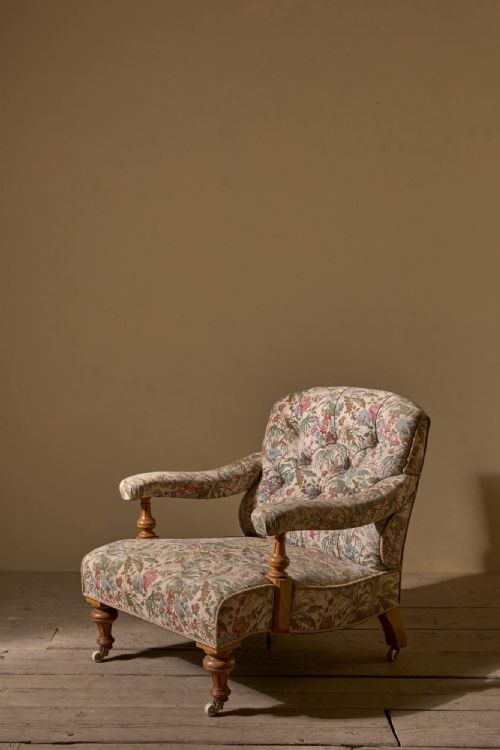
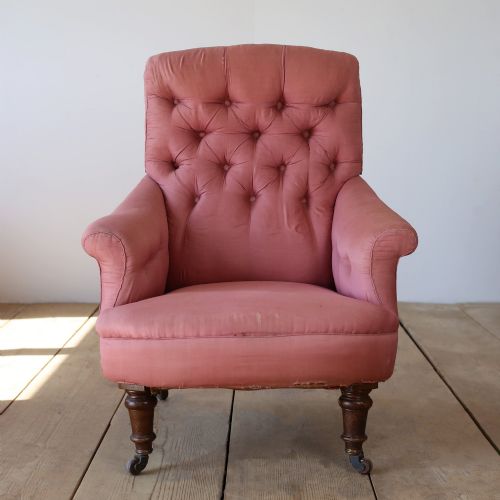
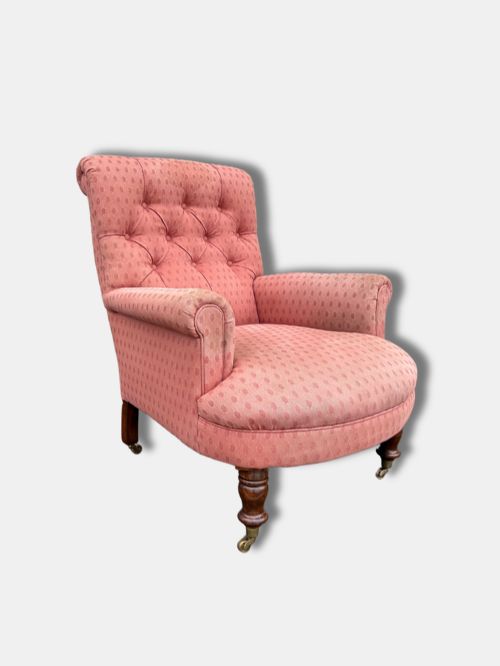
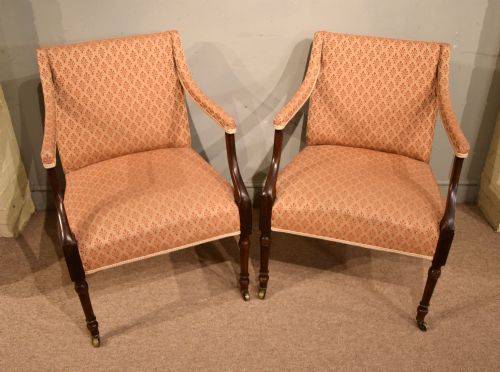
Armchair on Castors
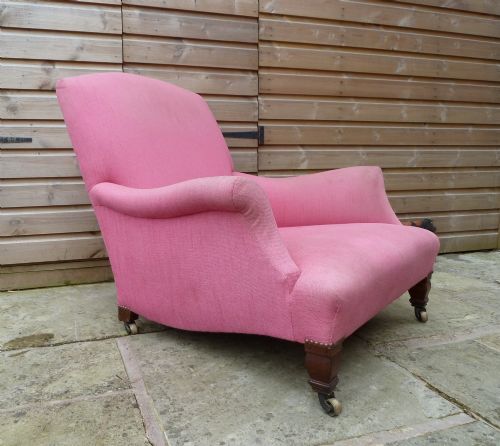
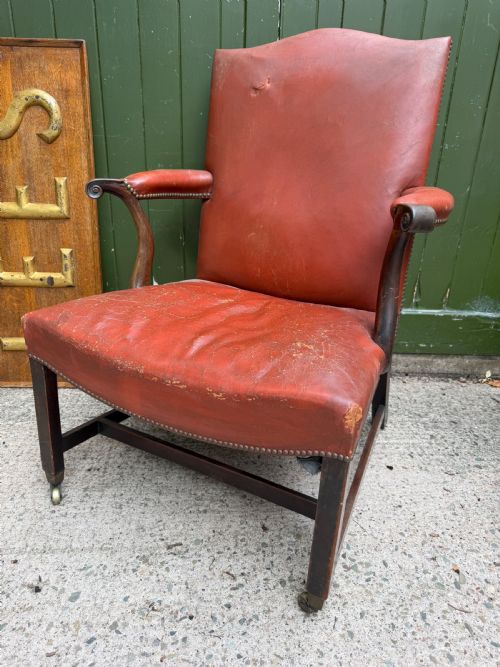
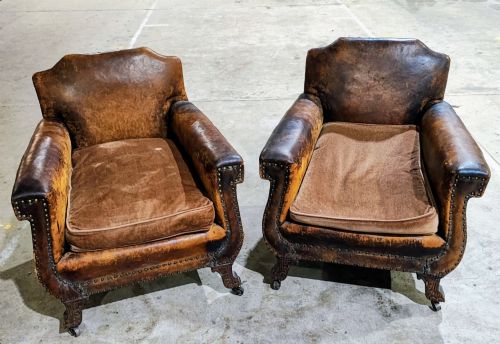
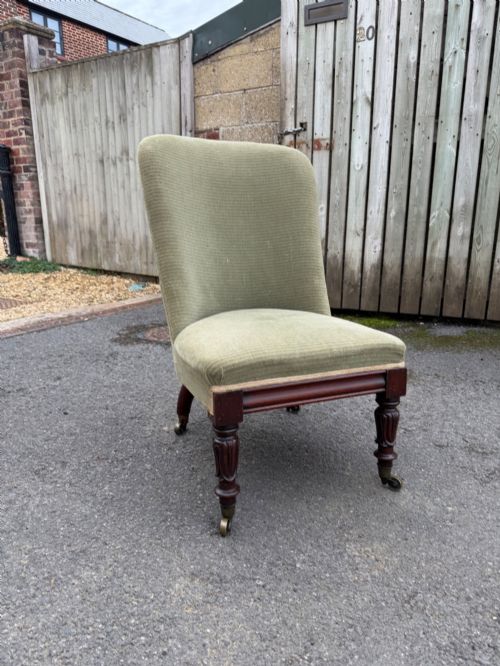
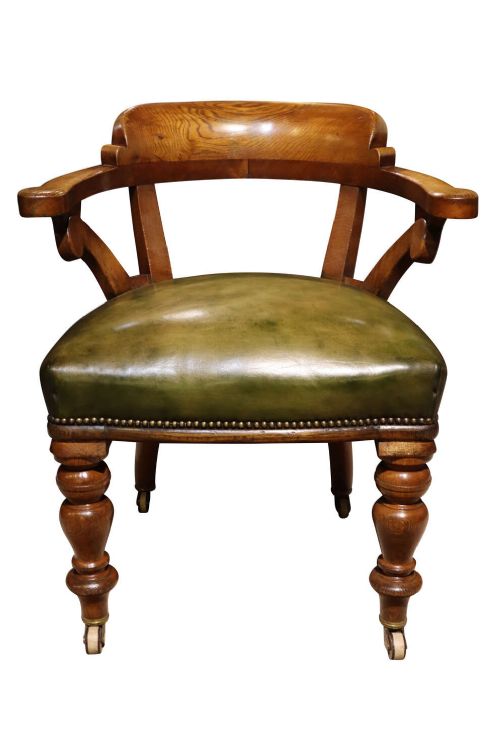
An armchair on castors gives you mobile comfort, combining period timber frames with rolling brass feet.
Defining the armchair on castors
An armchair on castors is a seating form designed for easy movement across nineteenth and early twentieth century floors, combining sturdy timber frames with rolling wheel hardware.
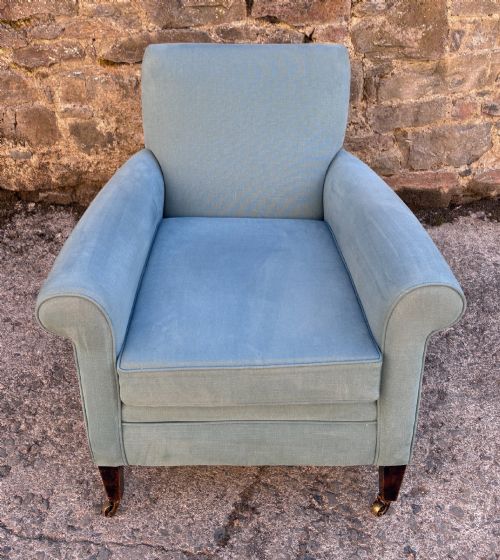
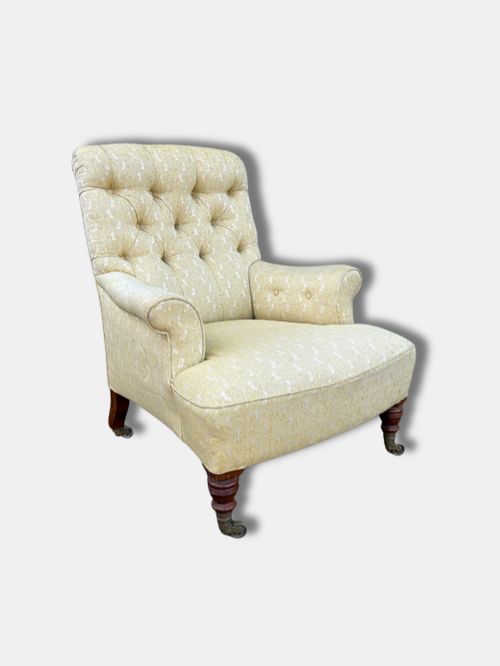
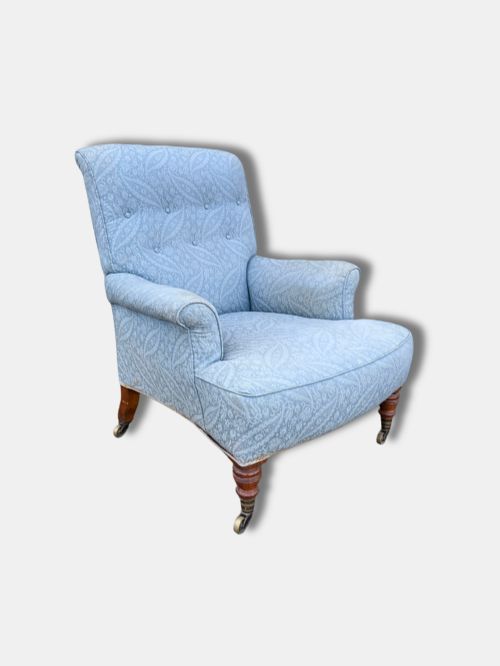
The pieces on this page span the Victorian and Edwardian periods, featuring forms ranging from low nursing chairs and fireside seats to deep library armchairs.
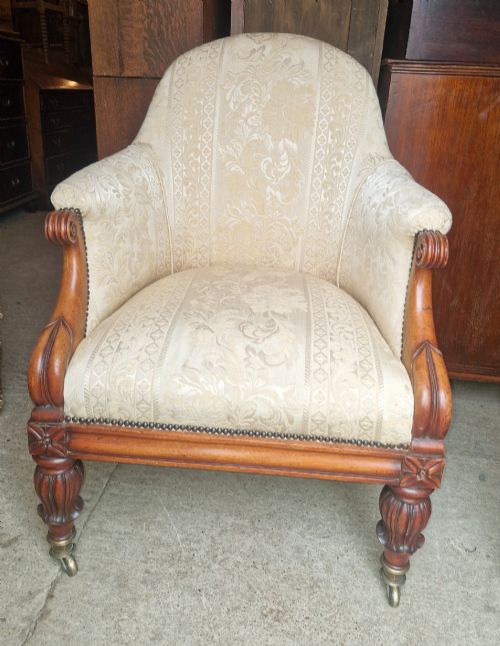
You meet both showwood frames in mahogany and walnut alongside fully upholstered lounge models dressed in cotton, linen, gingham, leather or patterned fabrics.
Materials and construction
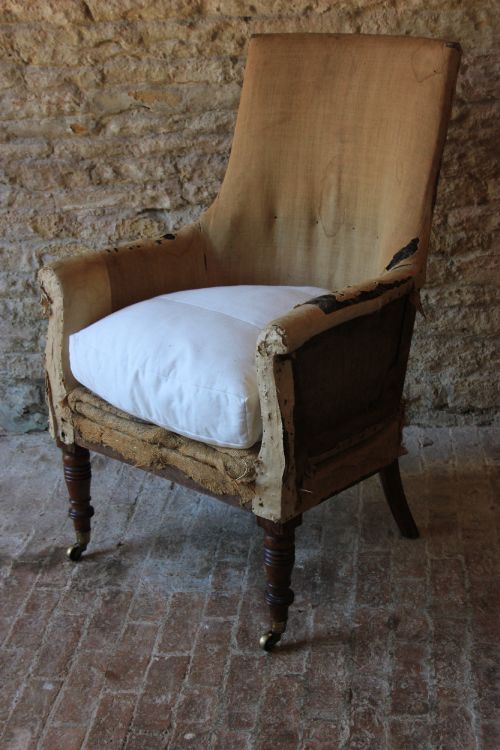
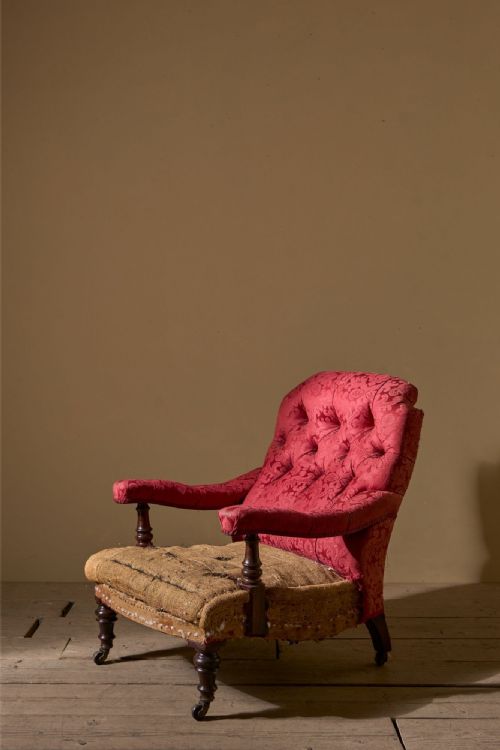
Frames rely on solid timbers such as mahogany and walnut, occasionally shaped with bobbin turning or scroll carvings, and supported by concealed or exposed wooden legs.
Mobility comes from metal hardware, predominantly brass castors and cup castors, with specific examples stamped by makers like Cope and Collinson.
Upholstery builds up comfort using traditional stuffing inside hessian and finish layers of cotton, linen, leather, or printed top covers like Howard and Sons style textiles.
Retail Price Guide 2026
Typical UK retail prices for armchair on castors, calculated from the Sellingantiques database of over a million retail prices indexed since 2003. This retail price guide relies exclusively on Sellingantiques data; no external sources or auction records are used, so the figures do not describe the wider market.
Some chairs are equipped with castors bearing the stamp of Cope and Collinson, ensuring your seat rolls smoothly into the nineteenth century.
Judging quality and proportion
Quality rests in the harmony of the timber frame and the originality of the structural components, distinguishing honest period seating from later alterations.
Superior examples retain their original castors, functional springing, and supportive stuffing that maintain the intended seat height and ergonomic angle.
James Shoolbred·Howard And Sons·Holland And Sons·William Birch
The Armchair on Castors Glossary
- Castor
- A small wheel mounted on a swivel assembly attached to the base of a furniture leg for ease of movement. Brass cup and metal roller variants are common on nineteenth-century seating.
- Showwood
- A furniture frame where parts of the polished hardwood, such as mahogany or walnut, remain visible around the upholstered padding. It highlights the cabinetmaker's skill.
- Bergere
- An enclosed upholstered armchair with a wooden frame and wicker or cane panels lining the sides and back. It offers a lighter aesthetic than fully padded lounge seats.
- Tub armchair
- A deep, curved seating form where the backrest flows continuously into low arms. This wrap-around shape provides enclosed comfort by the fireside.
Frequently Asked Questions
What is an armchair on castors?
An armchair on castors is a movable seat raised on small wheels, designed during the nineteenth and early twentieth centuries to shift easily across carpets and wooden floors.
These chairs combine solid timber frames with functional rolling hardware, appearing in forms ranging from low fireside seats to deep library armchairs.
How do I date an armchair on castors?
Dating relies on combining the style of the timber frame, the upholstery methods, and the specific design of the metal castors fixed to the feet.
Victorian and Edwardian examples show distinct turns in wood styling, while hardware stamps such as Cope and Collinson help narrow down the period of manufacture.
Were these chairs used in libraries?
Library armchairs were built for comfort during long hours of reading, featuring sturdy frames and deep leather or fabric upholstery.
Their rolling castors allowed readers to reposition themselves near shelves or desks without heavy lifting.
How do I care for vintage upholstery?
Caring for vintage upholstery involves gentle vacuuming with a soft brush attachment and protecting the fabric from direct sunlight to prevent fading.
Leather surfaces benefit from appropriate conditioning treatments to keep the material supple over time.