





Arita Ceramic Vessels
These arita ceramic vessels bring centuries of Japanese kiln artistry into a room, offering rich painted palettes and robust forms that anchor any interior.
Arita Ceramic Vessels
When you search for arita ceramic vessels, you encounter pieces spanning from the seventeenth century through the early twentieth century. The selection ranges from floor-standing vases to smaller sake ewers and decorative bowls.
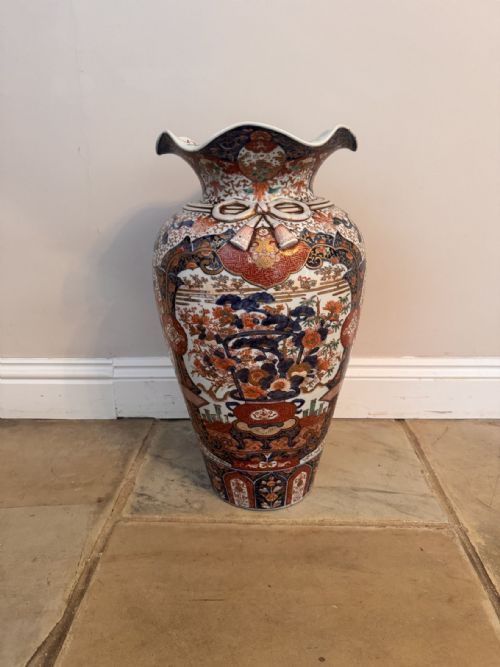
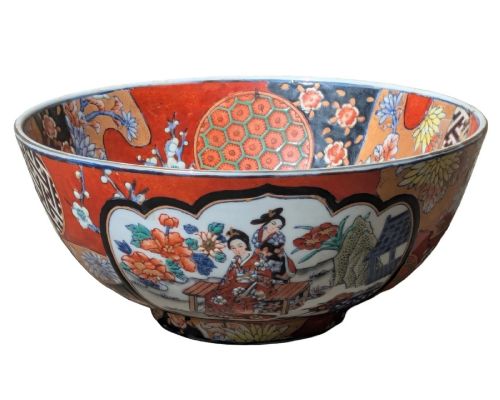
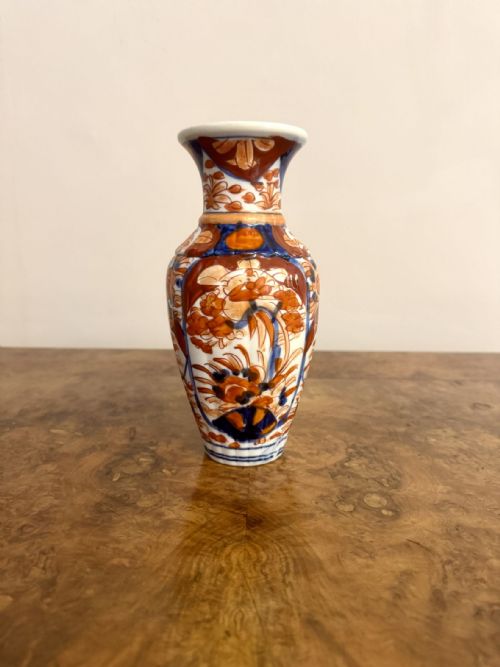
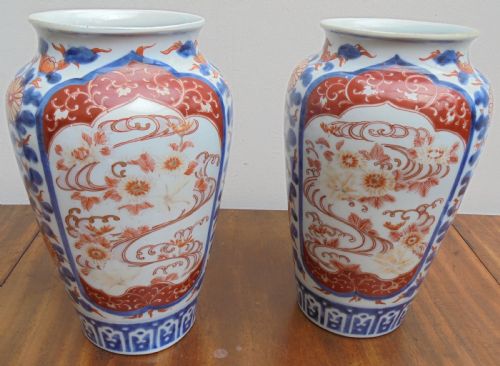
The most common examples you meet on this page are Japanese Imari pieces from the Meiji period and late nineteenth century. These items display the characteristic blue and white underglaze combined with iron red and gold leaf overglaze details.
Earlier productions, including eighteenth-century items from the Edo period and seventeenth-century examples, appear alongside Showa period bowls. Alongside Imari styles, Kakiemon and Fukagawa porcelain vases represent the broader output of the Arita kilns.
Materials and construction
These vessels are formed from hard-paste porcelain, fired at high temperatures to create a dense, resonant body. Potters shaped forms by hand or on the wheel, producing both standard vases and hexagonal profiles.
Decoration relies on underglaze cobalt blue painting, supplemented by iron red enamel and gold leaf accents. Glazes provide a smooth, glossy surface sealing the intricate pigments.
Arita Ceramic Vessels Retail Price Guide 2026
Typical asking prices for arita ceramic vessels among the pieces listed under this phrase on Sellingantiques today, from the lower quarter to the upper quarter. They describe what is for sale here now, not the wider market.
The listings show porcelain spanning from the seventeenth-century Edo period through to the Showa period, utilising enamel, glaze, and gold leaf.
Assessing quality
Quality in these vessels rests on the crispness of the underglaze painting and the precision of the overglaze enamel work. The density of the porcelain body and the stability of large forms also distinguish superior pieces.
The application of gold leaf and the complexity of the compositional layout determine the visual impact. Hexagonal shaping and large dimensions require greater technical mastery from the potter.
Fukagawa Porcelain
The Arita Ceramic Vessels Glossary
- Imari
- A style of Japanese porcelain decorated in underglaze blue, iron red, and gold, originating from the kilns of Arita. This aesthetic became immensely popular for export to Europe.
- Kakiemon
- A distinct style of Japanese enamel decoration featuring asymmetrical designs in a refined palette on a milky white porcelain body. It developed in Arita during the Edo period.
- Jardiniere
- A large ornamental pot or vessel designed to hold plants or flowers. These substantial ceramic pieces often stand on the floor.
- Ewer
- A pitcher or jug with a wide spout, used historically for pouring liquids such as sake. Many antique examples feature delicate handles and narrow necks.
- Underglaze
- Pigment applied to the unglazed ceramic body before the protective glass coating is fired. This technique ensures the decoration remains permanent and protected.
Arita Ceramic Vessels: Frequently Asked Questions
What is an arita ceramic vessel?
These are porcelain items produced in the town of Arita in Japan, renowned for fine potting and painted decoration.
They encompass vases, bowls, ewers, and jardiniere pieces made for both domestic use and export over several centuries.
How do I date an arita vessel?
Dating relies on stylistic markers, such as the distinct colour palettes of the Edo and Meiji periods.
Glaze characteristics, potting weight, and kiln marks also help place pieces into specific centuries like the seventeenth, eighteenth, or nineteenth.
Where were these vessels made?
They originated in the Hizen province around Arita, which became the cradle of Japanese porcelain production.
Access to local high-grade pottery stone allowed artisans to develop exceptional porcelain-forming techniques.
How do I display a large vase?
Floor-standing vessels and large jardiniere pieces work best as standalone focal points in a room.
Their robust proportions allow them to sit directly on the floor or on sturdy wooden stands to highlight their height and painted surface.