



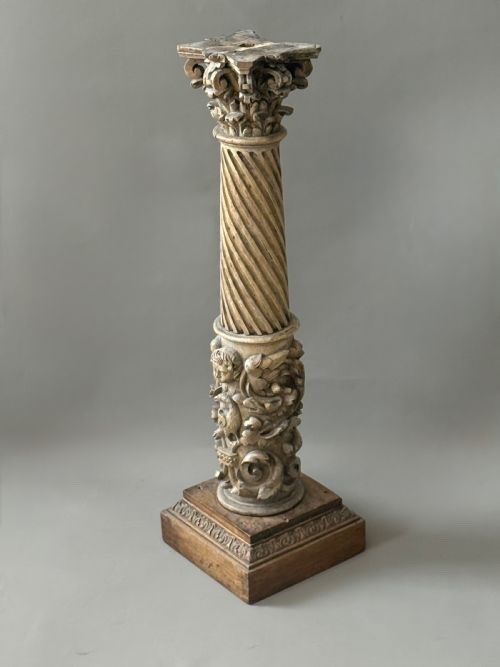


Architectural Wooden Table
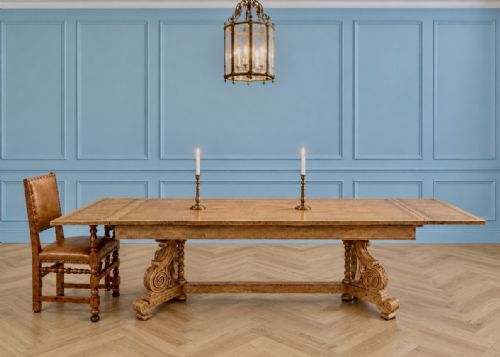
An architectural wooden table brings monumental form and historical weight to a room, offering robust construction and striking period detail.
Architectural Wooden Table
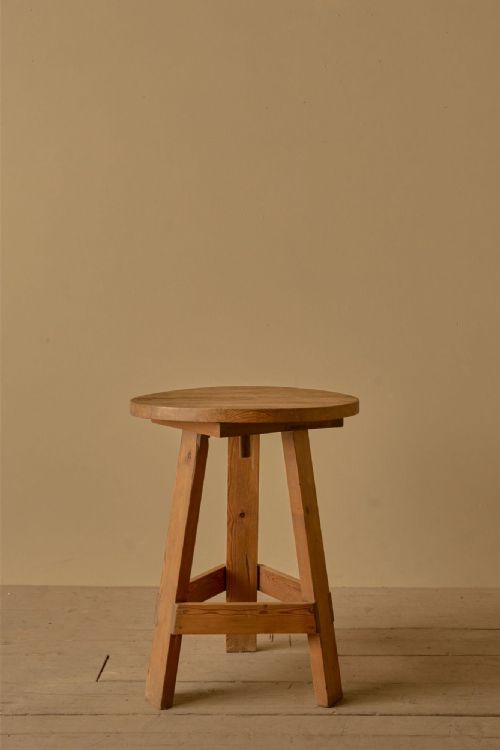
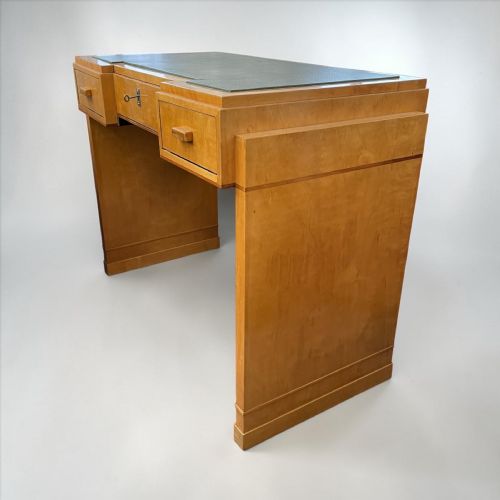
When you search for an architectural wooden table, you encounter substantial furniture and decorative objects rooted in classical building traditions. The selection spans centuries of craftsmanship, ranging from seventeenth-century carved elements to early twentieth-century utilitarian stands.
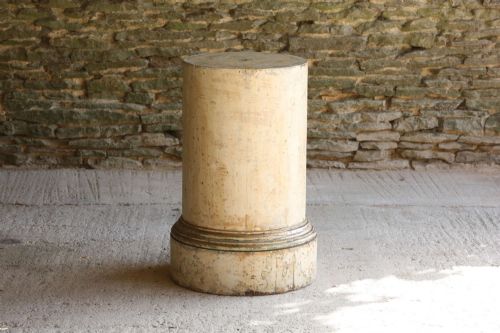
You are most likely to meet forms that borrow heavily from structural design, such as console tables, pedestals, and items incorporating pilasters or columns. These pieces often translate large-scale building motifs into domestic proportions.
The origins vary widely across European and international workshops, showing influences from German Renaissance styles, French nineteenth-century classicism, and traditional Indian carpentry. Each piece demonstrates how builders and cabinetmakers adapted architectural language for wooden furniture.
How they were made
Makers utilised dense timbers such as oak, walnut, rosewood, and mahogany to ensure structural integrity and a fine canvas for carving. Surfaces frequently display intricate marquetry, ebonising, or gilt highlights in brass and ormolu.
Joinery methods reflect the demands of heavy load-bearing forms, relying on sturdy trestles, pegged frames, and precise box construction. Carvers worked directly into the solid wood to produce deep relief panels, caryatids, and classical mouldings.
Architectural Wooden Table Retail Price Guide 2026
Typical asking prices for architectural wooden table among the pieces listed under this phrase on Sellingantiques today, from the lower quarter to the upper quarter. They describe what is for sale here now, not the wider market.
Listings feature items spanning from the seventeenth century through to the 1930s, utilising walnut, oak, rosewood, and carved brass.
What varies in quality
The distinction between ordinary and exceptional pieces lies in the crispness of the carving and the depth of the timber's grain. Superior examples exhibit harmonious proportions where the decorative elements complement the underlying wooden structure.
Makers who invested time in high-grade marquetry, precise brass inlays, and well-seasoned woods created pieces that retain their structural stability over centuries. Lesser examples rely on superficial surface decoration to disguise simpler joinery and softer woods.
The Architectural Wooden Table Glossary
- Caryatid
- A sculpted female figure serving as an architectural support instead of a pilaster or column. They often appear on seventeenth-century woodwork and large furniture bases.
- Marquetry
- The art of applying pieces of veneer to a structure to form decorative patterns and pictures. This technique was favoured by cabinetmakers working with walnut and exotic woods.
- Ormolu
- Gilded bronze used for mounts and decorative accents on fine furniture and clocks. It provides a bright metallic contrast against dark woods like rosewood and mahogany.
- Portico
- A porch leading to the entrance of a building, which inspired a distinct style of nineteenth-century French clock cases and small tables. These pieces mimic classical portico architecture with columns supporting a pediment.
- Trestle
- A structural support consisting of a horizontal beam balanced on two flared legs. This form appears frequently in sturdy wooden tables designed for heavy use.
Architectural Wooden Table: Frequently Asked Questions
What is an architectural wooden table?
An architectural wooden table is a piece of furniture that incorporates building elements like columns, pilasters, and classical mouldings into its design. These items draw inspiration from stone and timber structures, translating grand facades and interiors into functional furniture.
You typically find these pieces constructed from heavy timbers such as oak, walnut, or mahogany, often featuring detailed carvings or marquetry work that emphasises their structural lines.
How were these tables used historically?
Historically, these pieces served as focal points in grand hallways, libraries, and formal reception rooms to display decorative objects or support daily administrative tasks. Their robust construction allowed them to carry significant weight without warping.
Over time, many of these sturdy forms transitioned into domestic living spaces where they continue to function as display surfaces or central tables.
How do I live with an architectural table?
Living with these pieces involves placing them where their scale and sculptural qualities can be properly appreciated, away from direct heat sources. Because they often feature intricate carvings or delicate veneers, keeping them dusted with a soft cloth preserves the timber.
Pairing a heavy wooden table with simpler modern seating allows the historical character and material grain to remain the visual centrepiece of the room.
How can I tell the period of the wood?
Dating the wood requires examining the tool marks, joinery techniques, and the natural oxidation of the timber over time. Earlier pieces from the seventeenth century often show hand-adzed surfaces and pegged joints, whereas nineteenth-century examples display more uniform machine-sawn components.
The choice of secondary woods hidden underneath or inside the structure also provides strong clues regarding the workshop's geographic origin and period.