



Architectural Wood Pediment
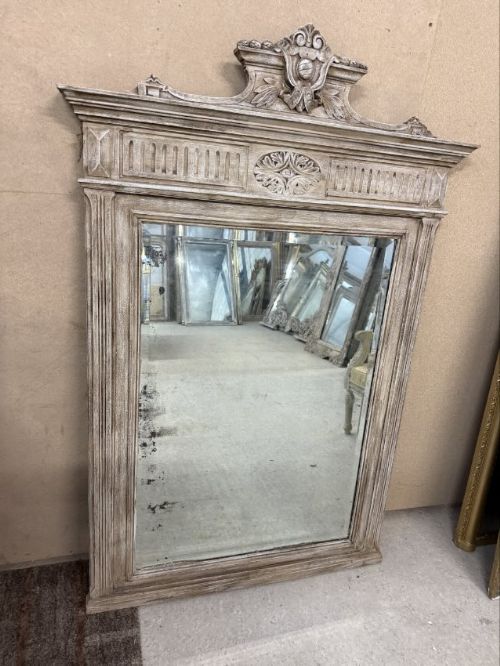
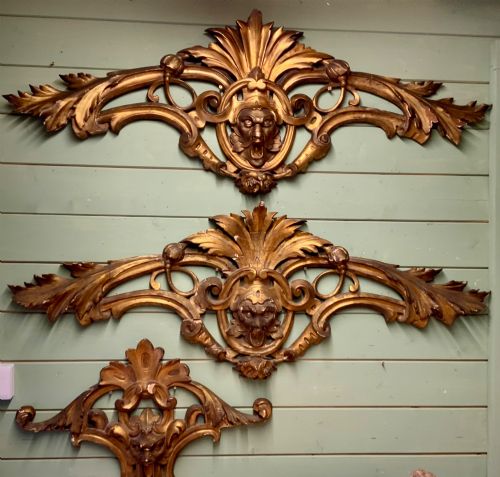
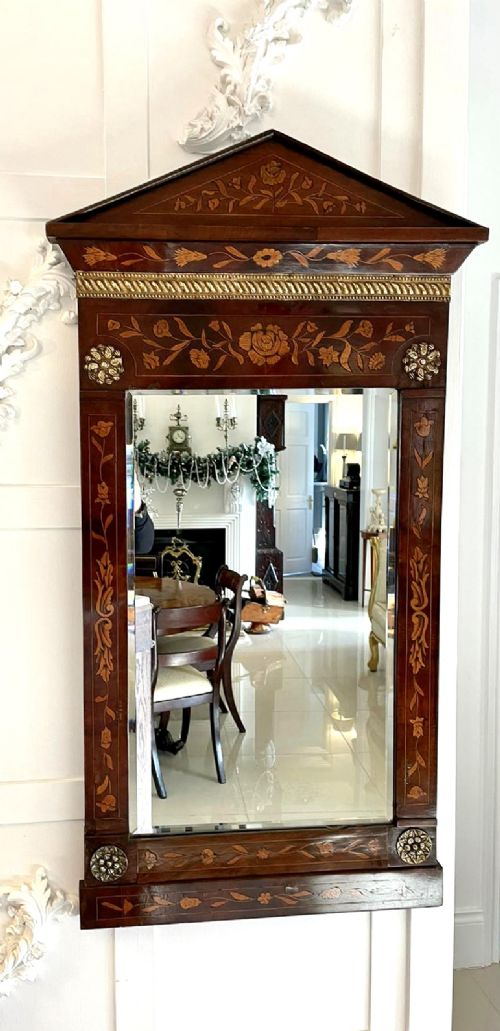
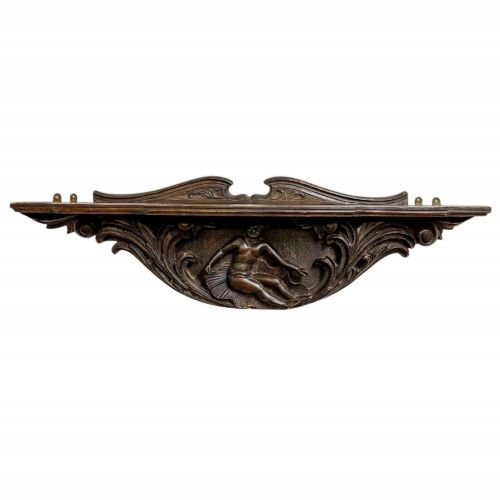
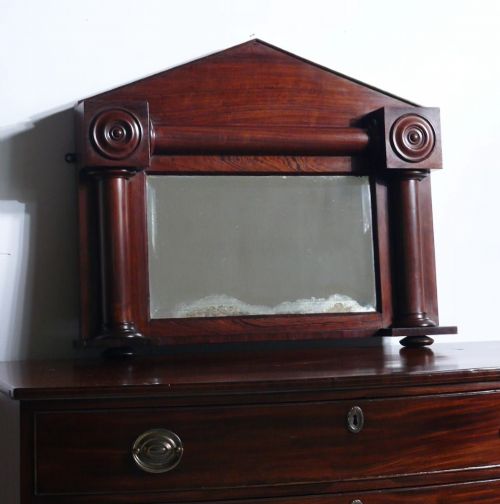
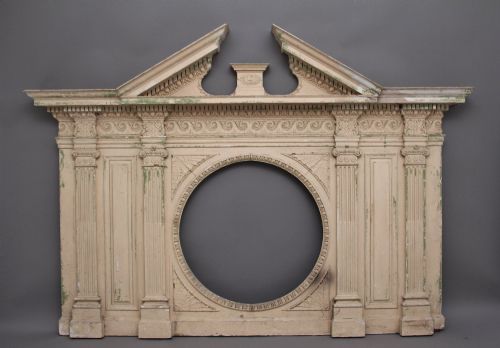
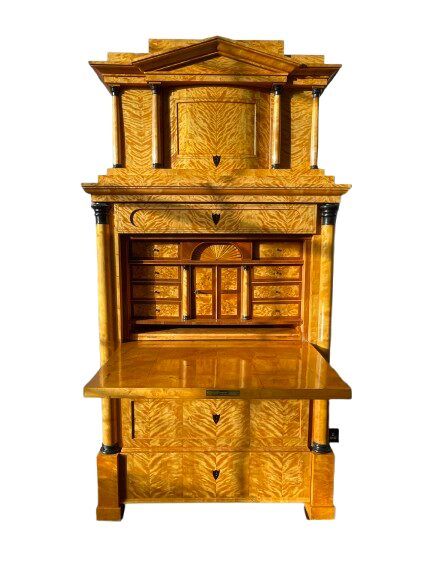
Architectural wood pediment pieces are decorative carved elements spanning overdoors and furniture, bringing classical dignity and depth to an interior.
Architectural Wood Pediment
When you search for architectural wood pediment items, you encounter carved timber elements originating primarily from the seventeenth, eighteenth, and nineteenth centuries. These pieces encompass overdoors, pelmets, and architectural fragments that once anchored grand doorways and room interiors.
You will also find related architectural salvage and mirror frames that share the same decorative vocabulary. These items range from modest domestic overdoors to larger ecclesiastical and continental fragments.
How they were made
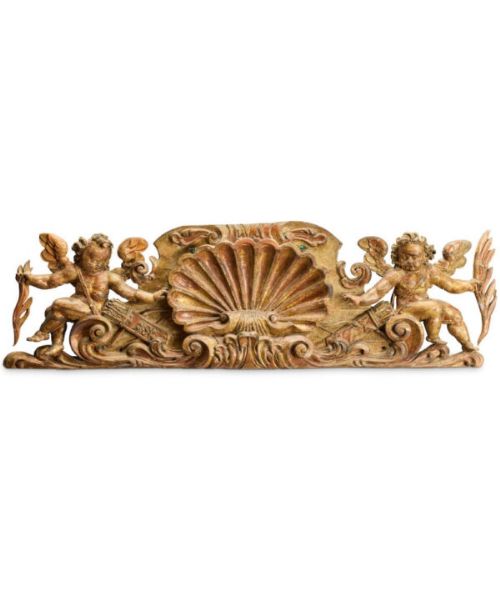
Craftsmen shaped these architectural wood pediment works using solid timbers such as oak, walnut, pine, and rosewood. Carvers worked the wood by hand to achieve deep relief motifs, ranging from cherubs to classical foliage.
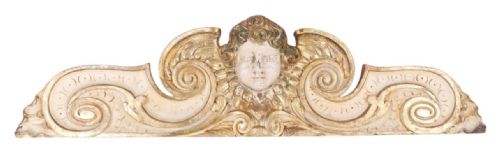
Surface decoration frequently involved gesso applied beneath layers of gold leaf or silver leaf to catch the light. Paint and polish were also utilised to finish the timber surfaces according to the prevailing taste of the period.
Architectural Wood Pediment Retail Price Guide 2026
Typical asking prices for architectural wood pediment among the pieces listed under this phrase on Sellingantiques today, from the lower quarter to the upper quarter. They describe what is for sale here now, not the wider market.
One persistent eighteenth-century cherub stubbornly refuses to look solemn, gazing sideways with a distinct, cheeky grin.
What varies in quality
The distinction between ordinary and exceptional architectural wood pediment work lies in the crispness and depth of the hand carving. Finer examples display confident tool work and sophisticated proportions that suggest the hand of a skilled artisan or workshop.
The integrity of the original surface finish, whether aged paint, parcel gilding, or polished hardwood, heavily influences the character of the piece. Retaining these early surface treatments preserves the historical authenticity of the woodwork.
Grinling Gibbons·William Kent·Edward Pearce
The Architectural Wood Pediment Glossary
- Pediment
- A triangular or segmental architectural ornament placed above a door, window, or piece of furniture. It serves to draw the eye upward and frame the opening below.
- Overdoor
- A decorative panel, painting, or carved pediment fitted directly above a doorway. These elements visually connect the door frame to the higher wall space.
- Parcel gilt
- Partially gilded with gold or silver leaf, leaving portions of the underlying wood or paint exposed. This technique highlights specific carved details against a contrasting background.
- Gesso
- A plaster-like mixture applied to wood surfaces to prepare them for gilding or painting. It provides a smooth base for intricate relief work.
- Trumeau
- A large wall mirror or panel featuring a decorative painted or carved top section. It was traditionally placed between windows or above a mantelpiece.
Architectural Wood Pediment: Frequently Asked Questions
What is an architectural wood pediment?
An architectural wood pediment is a decorative carved wooden element designed to sit above a doorway, window, or mantelpiece. It adds a sculptural focal point to a room.
These pieces were carved from timbers like oak and walnut during periods spanning from the seventeenth to the nineteenth centuries.
How were pediments used originally?
In historic interiors, they were mounted above important interior doorways or incorporated into grand cabinetry and overmantels to denote status and architectural finish.
They directed the eye upward and framed the transition between spaces within a building.
How do I hang a heavy wooden pediment?
Hanging these pieces requires locating solid wall studs or masonry to support the considerable weight of carved hardwood. Professional fixings tailored to timber and plaster are essential.
Consulting a specialist art installer ensures the pediment is safely secured without damaging the historic wood.
Can pediments be used outdoors?
These antique timber carvings are intended for interior use where fluctuations in weather and moisture will not degrade the historic wood and gilding. Placing them outside risks severe damage to the carved surfaces.
They are best displayed on internal walls or above interior doors.