




Architectural Wood Mantel
When you search for architectural wood mantel, you encounter substantial timber surrounds, mirrors, and clock cases built to command a room.
Architectural Wood Mantel
The architectural wood mantel search phrase typically leads you to large overmantel mirrors, carved oak fire surrounds, and heavy timber clock cases spanning the nineteenth century.
Victorian and Georgian examples dominate the selection, bringing structural timber and decorative woodwork together above hearths and console tables.
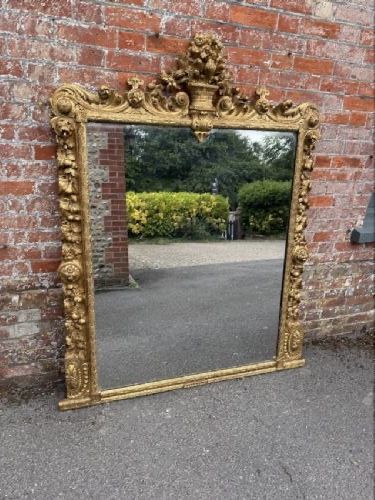
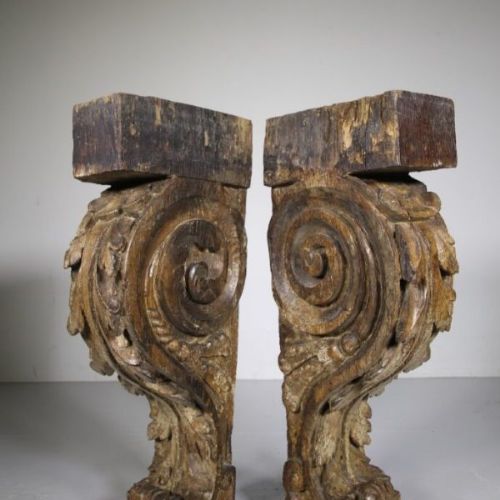
You will also find architectural salvage pieces like oak and pine corbels alongside French and English wall mirrors designed to anchor large rooms.
Materials and Construction
Carpenters utilised solid oak, walnut, rosewood, and pine as structural timber, often applying gesso and gold leaf to carved details on larger mirror frames.
Surface treatments range from ebonised wood and paint to intricate marquetry and gilt finishes, matched with brass or glass components on clock cases and mirrors.
Architectural Wood Mantel Retail Price Guide 2026
Typical asking prices for architectural wood mantel among the pieces listed under this phrase on Sellingantiques today, from the lower quarter to the upper quarter. They describe what is for sale here now, not the wider market.
Judging Quality
Depth and crispness of the wood carving distinguish standard joinery from exceptional craftsmanship, particularly on nineteenth century gesso gilt frames and fire surrounds.
The integrity of the original wood finish, whether ebonised, polished mahogany, or painted oak, dictates the visual weight and historical honesty of the piece.
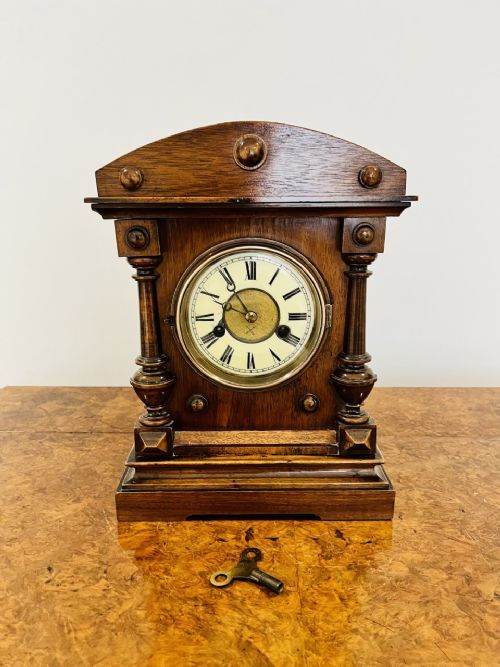
L Donne Birchin Lane·Fatton Eleve De Breguet·German H A C
The Architectural Wood Mantel Glossary
- Overmantle mirror
- A large looking glass specifically proportioned to hang on the wall directly above a fireplace mantel.
- Corbel
- A projecting bracket of wood supporting a weight, often carved in heavy oak or pine for architectural emphasis.
- Gesso
- A plaster mixture applied to wood surfaces as a smooth base for subsequent gilding with gold leaf.
- Fusee clock
- A timekeeper driven by a chain and a conical pulley that equalises the declining power of the mainspring.
- Ebonised wood
- Timber treated with stain or pigment to imitate the dense, dark appearance of ebony.
Architectural Wood Mantel: Frequently Asked Questions
How do I date an architectural wood mantel?
Look closely at the timber species, joinery methods, and decorative motifs like gesso moulding or ebonisation. Nineteenth century pieces often combine heavy carved wood with distinct regional styles.
Compare the proportions and secondary woods against dated examples to narrow down the decade of manufacture.
Where should I place an overmantle mirror?
These large mirrors are traditionally mounted on the chimney breast directly above a fireplace surround. Their scale reflects light and anchors the vertical space of a principal room.
Ensure the wall fixings can support the substantial weight of the timber frame and glass.
What is the difference between oak and pine corbels?
Oak corbels offer a dense, durable structure with prominent grain, typically chosen for heavy structural support and formal nineteenth century interiors. Pine provides a softer, lighter alternative that was frequently painted or gessoed.
Both materials were utilised for architectural salvage depending on the intended decorative scheme.
How do I maintain wood and gesso finishes?
Keep wooden frames and architectural elements away from direct heat sources and sudden humidity changes to prevent timber splitting. Dust gently with a dry, soft cloth without using liquid polishes.
Avoid touching gilded gesso areas, as the delicate gold leaf layer easily abrades over time.