



Architectural Stone Statues
Architectural stone statues bring substantial presence to gardens and walls, ranging from ancient medieval fragments to robust twentieth-century ornaments.
Architectural Stone Statues
Architectural stone statues encompass heavy garden ornaments, pier finials, pinnacles, and carved figures designed to integrate with buildings and grounds. Buyers searching for architectural stone statues encounter everything from pre-sixteenth century ecclesiastical masonry to Edwardian and mid-twentieth century garden pieces.
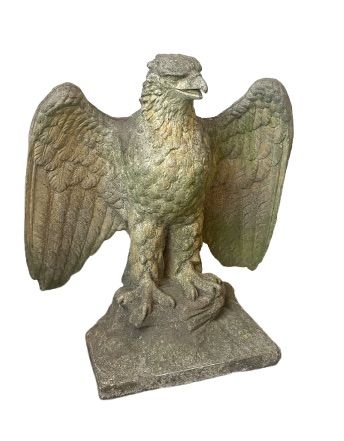
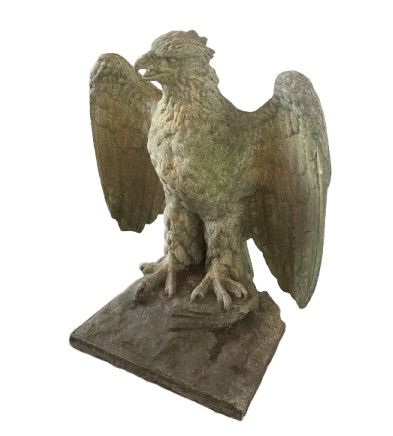
The selections on this page span diverse forms, including pairs of composite stone eagles, limestone Gothic pinnacles, granite staddle stones, and marble lions. Many items function as structural terminals or gate guardians, showing the heavy utilitarian origins of ornamental stonework.
Origins stretch across British regional stones like Cornish granite and Yorkshire limestone, alongside European marbles and composite mixes. Pieces appear either as standalone sculptures on iron stands or mounted upon dedicated garden pedestals and plinths.
Materials and construction methods
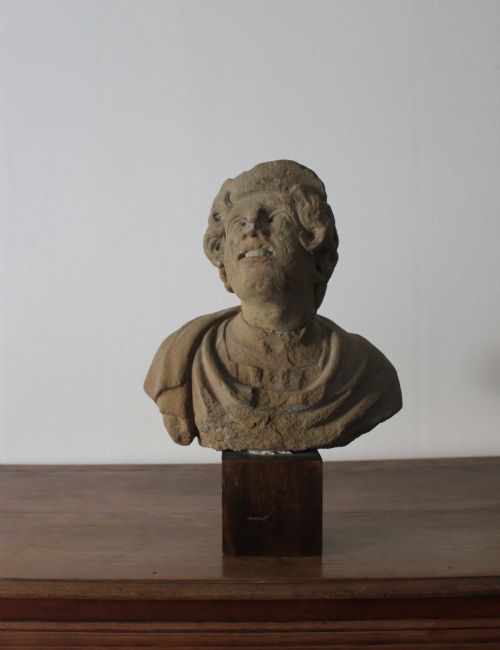
Traditional examples rely on direct hand carving from blocks of natural material, utilising sandstone, limestone, granite, and marble. Masons shaped these durable stones using chisels and mallets to create architectural elements like medieval busts and Gothic pinnacles.
Later pieces embrace cast, composite, and reconstituted stone alongside terracotta and stoneware. These moulded alternatives allowed workshops to replicate intricate neoclassical and rustic designs efficiently while maintaining the weight and weathering properties of natural rock.
Architectural Stone Statues Retail Price Guide 2026
Typical asking prices for architectural stone statues among the pieces listed under this phrase on Sellingantiques today, from the lower quarter to the upper quarter. They describe what is for sale here now, not the wider market.
Periods represented range from pre-sixteenth century ecclesiastical salvage to eighteenth-century rustic pieces and mid-twentieth-century garden statuary.
Distinguishing quality in stonework
The distinction between ordinary masonry and superior sculptural work lies in the crispness of the hand carving and the organic integration of the stone's natural grain. Early carved figures show depth of relief and tool marks that mechanical moulding cannot replicate.
Patina and weathering dictate the visual success of exterior stone, where centuries of exposure create harmonious lichen growth and softened edges. Structural integrity in heavy finials and pinnacles depends upon the original density of the material and how cleanly the stone accepts weathering.
The Architectural Stone Statues Glossary
- Pier finial
- A decorative architectural ornament placed on top of a gate pier, wall end, or architectural pillar. These elements often take the form of heraldic animals, urns, or pineapples.
- Staddle stone
- A mushroom-shaped stone support originally used to elevate granaries and barns clear of the damp ground. In later gardens, they serve as sturdy ornamental pedestals.
- Gothic pinnacle
- A sharply tapering architectural ornament associated with medieval and Gothic Revival building. They add vertical emphasis and weight to buttresses or wall corners.
- Reconstituted stone
- A manufactured material composed of aggregate and cement binder moulded to resemble natural cut stone. It offers high durability for large exterior garden statues.
- Terracotta
- Fired unglazed clay utilised for durable garden ornaments and sculptural figures. The material develops a distinctive warm orange or weathered red surface over time.
Architectural Stone Statues: Frequently Asked Questions
How do I secure heavy stone statues?
Massive stone ornaments and pier finials often rely entirely on their own substantial weight to remain stable on walls or ground level. For elevated positions like gate piers, appropriate lime mortar or concealed stainless steel dowels provide necessary structural security against wind.
Consulting a professional installer ensures that pedestals, plinths, and foundations can safely bear the concentrated load of heavy granite or composite stone pieces without shifting.
Can these statues stay outside all winter?
Most architectural stone handles frost well, particularly dense natural rocks like granite, limestone, and hard sandstone. Porous stones and certain composite mixes require more care during severe freezing conditions to prevent surface spalling.
Positioning statues on stone plinths rather than directly on damp soil prevents moisture absorption from the ground during the coldest months.
How do I clean historic stone sculptures?
Gentle brushing with water and a soft-bristled brush removes loose dirt without damaging the historical surface or removing desirable lichen and moss growth. Avoid harsh pressure washers and chemical detergents, which strip away centuries of natural weathering and erode softer masonry.
Allowing organic patination to remain preserves the visual character and historical integrity of pre-industrial stone.
What is the difference between cast and carved stone?
Carved stone involves direct subtraction from a natural block using chisels, producing unique tool marks and individual variations unique to the mason's hand. Cast stone is poured into a mould as a wet aggregate mixture, allowing identical reproduction of complex neoclassical or rustic forms.
Close inspection under natural light reveals whether surface textures stem from chisel strokes or mould impressions.