





Architectural Stone Carving
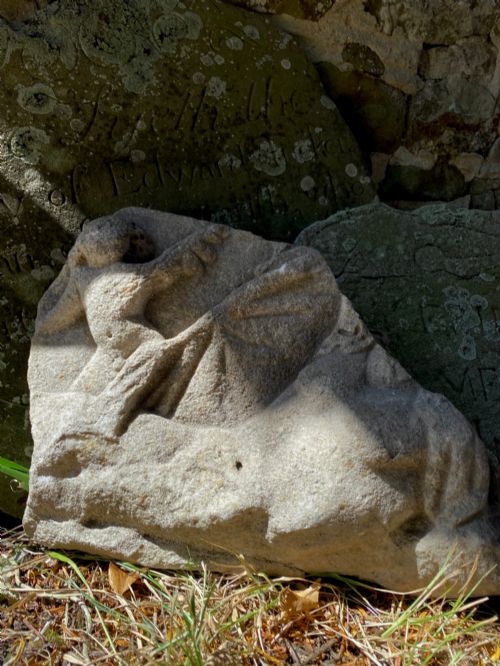
Architectural stone carving brings monumental history into gardens and interiors through surviving fragments of buildings, memorials and estate masonry.
Architectural Stone Carving
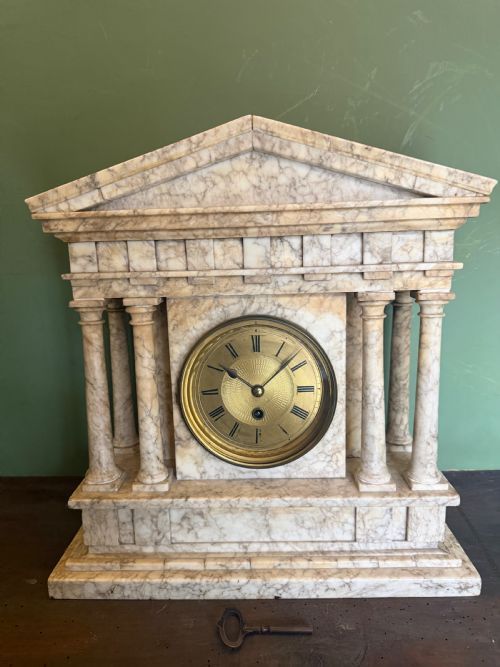
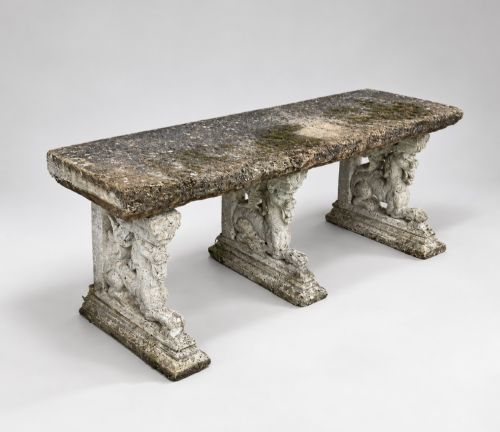
Architectural stone carving encompasses items shaped for structural support, ornamentation, or landscape utility, ranging from medieval corbels and Gothic pinnacles to Georgian fire surrounds and Victorian garden troughs.
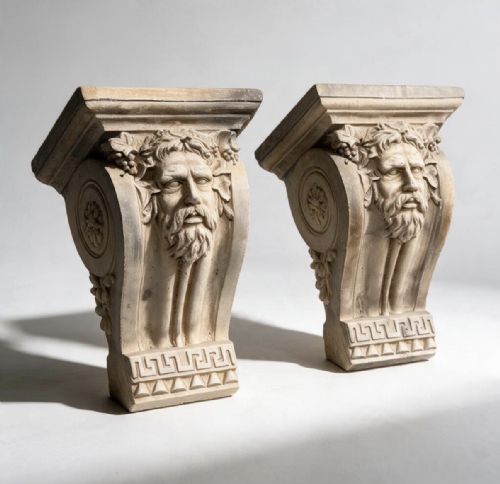
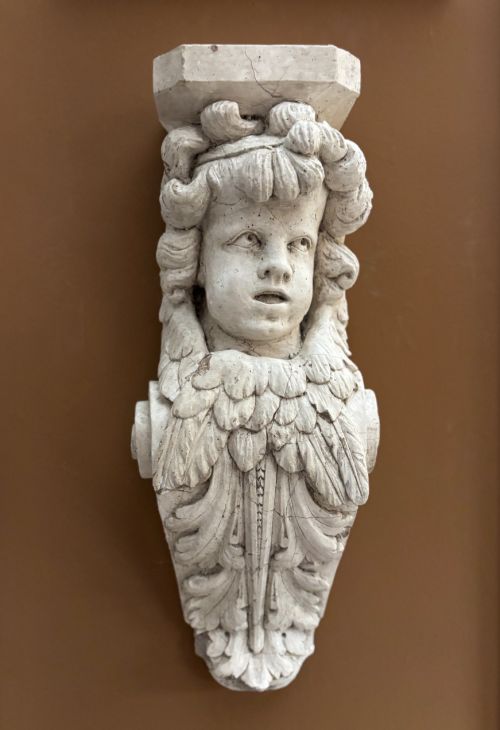
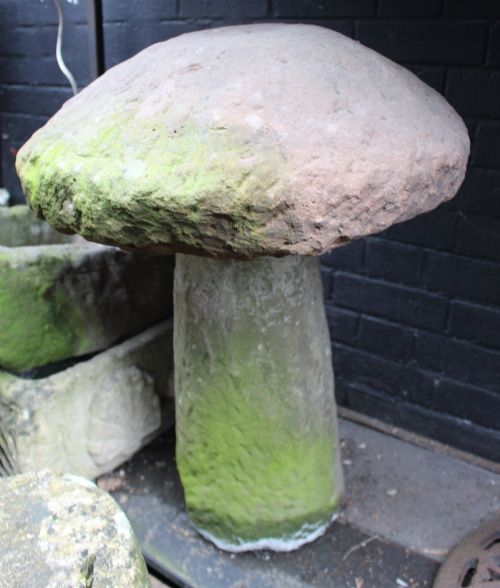
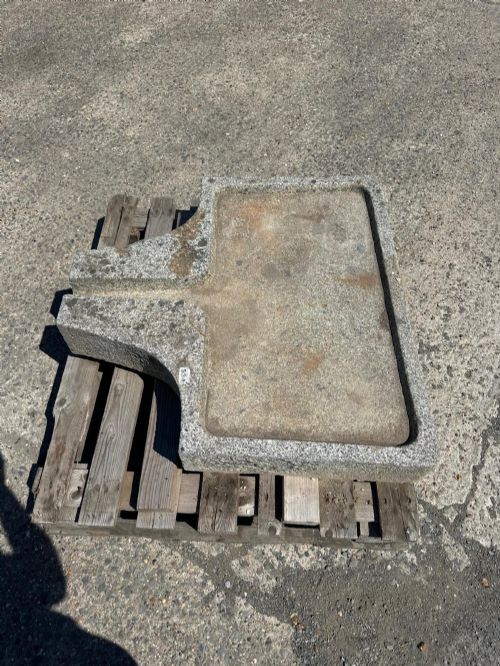
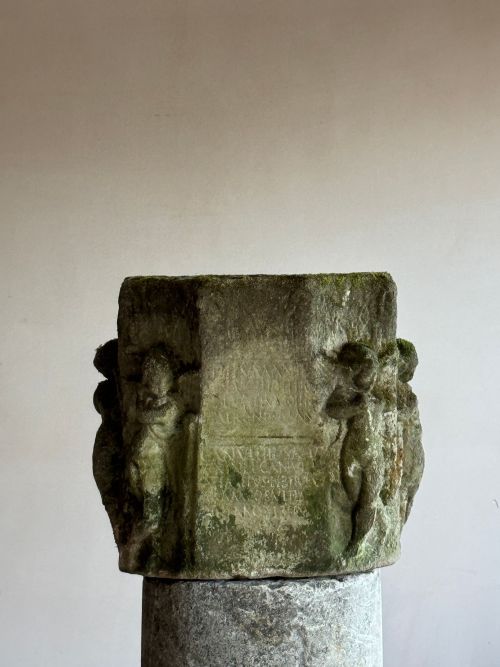
Buyers seeking this phrase most frequently encounter utility pieces like granite staddle stones and sandstone sinks alongside ornamental elements such as marble capitals, heraldic plaques, and figurative wall brackets.
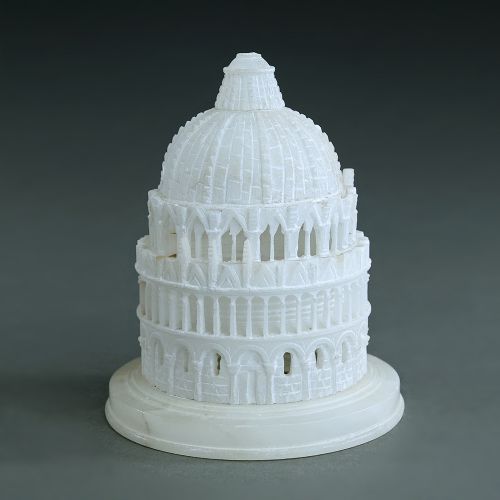
Origins span English, French, Italian, and Indian workshops, with periods stretching from pre-sixteenth century church fragments to twentieth-century garden ornaments and architectural models.
Materials and Working Methods
Masons utilised traditional hand tools to shape local geological materials including sandstone, Cornish granite, Yorkshire limestone, and Carrara marble, leaving visible chisel marks and surface weathering.
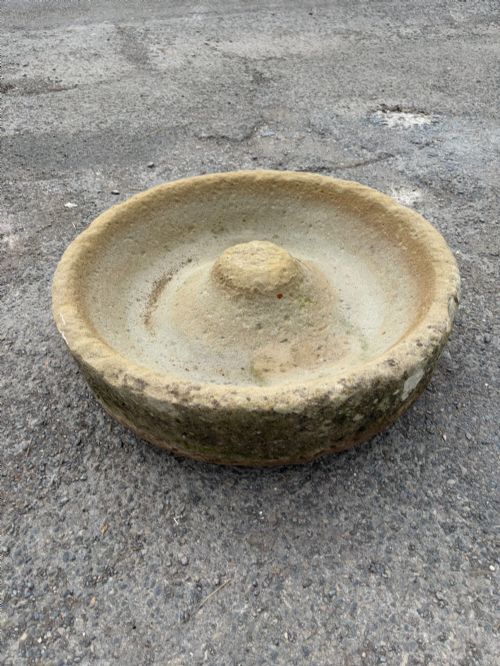
Utility items like press bases and staddle stones were hammered and turned for agrarian function, while decorative capitals, reliefs, and funerary altars received detailed sculptural incision.
Architectural Stone Carving Retail Price Guide 2026
Typical asking prices for architectural stone carving among the pieces listed under this phrase on Sellingantiques today, from the lower quarter to the upper quarter. They describe what is for sale here now, not the wider market.
Listings feature granite, sandstone, limestone, and marble across periods from pre-sixteenth century fragments to the twentieth century.
Evaluating Stone Carvings
Quality rests in the crispness of the original chisel work and the depth of relief, which separates master mason output from standard architectural production.
Provenance and integrity dictate desirability, where pieces retaining clear historical context or originating from notable structures hold greater weight than anonymous fragments.
The Architectural Stone Carving Glossary
- Corbel
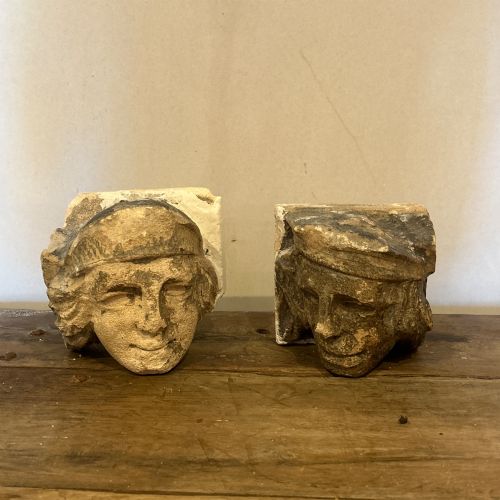
- A structural stone bracket projecting from a wall to support a weight above. Medieval examples often display carved heads or figures.
- Staddle Stone
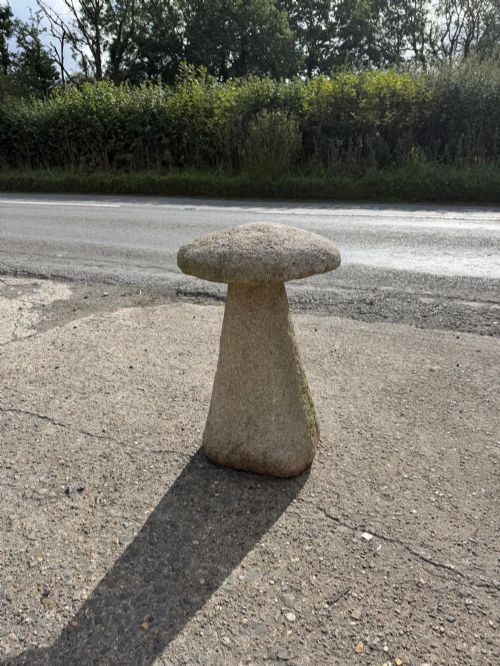
- A mushroom-shaped stone support utilised to elevate granaries and barns off the damp ground. Cornish granite versions are particularly robust.
- Capital
- The uppermost member of a column, dividing the shaft from the entablature. These often display classical Ionic scrolls or Gothic leaf carving.
- Keystone
- The central wedge-shaped stone at the apex of an arch. They frequently bear dates, initials, or armorial plaques.
- Finial
- An ornamental crowning detail placed on top of a gable, post, or architectural peak. Floral baskets and carved balls are common forms.
Architectural Stone Carving: Frequently Asked Questions
What are architectural stone carvings?
These pieces are rescued fragments, structural elements, and ornamental objects carved from natural rock for buildings and formal gardens.
They include items like chimney surrounds, corbels, pinnacles, troughs, and column bases spanning several centuries of masonry tradition.
How were staddle stones used?
Farmers utilised pairs or rows of staddle stones as foundation piers to keep wooden grain stores elevated and dry.
The wide cap prevented rodents from climbing up into the stored harvest.
Can these stone carvings live outdoors?
Most hard stone items like granite, sandstone, and limestone withstand exterior elements well due to their original outdoor function.
Porous materials or plaster components require shelter from frost and moisture to prevent surface decay.
How do I identify the period of a stone carving?
Dating relies upon stylistic markers such as Gothic tracery, Neoclassical proportions, or inscribed dates and armorial bearings.
Tool marks and the specific type of regional stone also provide strong clues to age and origin.