





Architectural Stone Base
These architectural stone base pieces are solid foundations and carved supports gathered from gardens and buildings, offering genuine historical weight to any interior or courtyard scheme.
Architectural Stone Base
When you search for an architectural stone base, you find structural remnants and garden supports spanning from the Georgian era through to the early twentieth century. The selection ranges from vernacular staddle stones and saddle stones to refined Neoclassical pedestals and carved statuary supports.
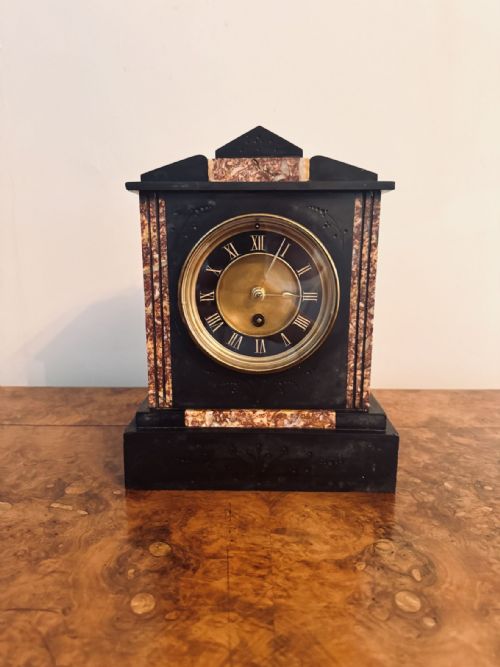
You are most likely to meet utilitarian agricultural pieces alongside ornamental garden items fashioned from granite, sandstone, limestone, and marble. Many pieces originate from working rural environments, such as mill stones and press bases, while others served an architectural role beneath columns and mantel clocks.
How they were made
Stonemasons shaped these items using traditional hand-carving techniques on hard materials like granite, sandstone, and limestone. Natural sedimentary and igneous rocks were worked with chisels and mallets, leaving tool marks that record the manual labour of past centuries.
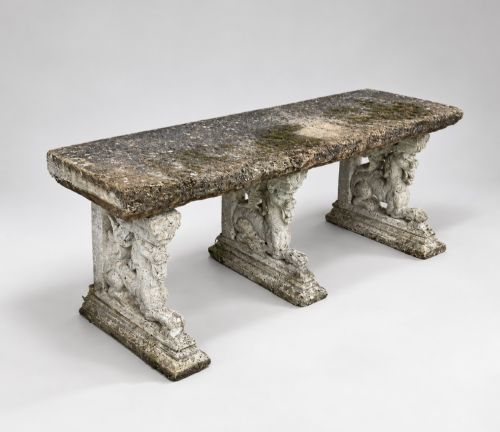
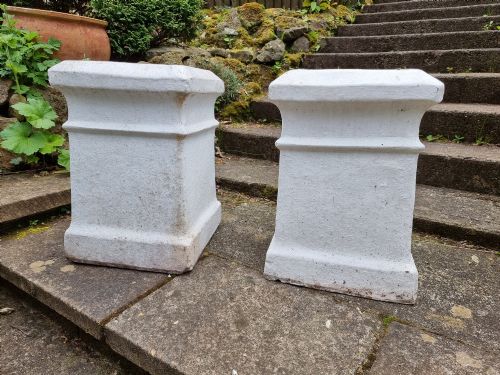
Composite and cast stone also appear, particularly in nineteenth-century garden plinths and Gothic revival pieces, where aggregates were moulded to achieve classical symmetry. Surface weathering, including natural lichen growth, accumulated organically over decades of exposure to the elements.
Architectural Stone Base Retail Price Guide 2026
Typical asking prices for architectural stone base among the pieces listed under this phrase on Sellingantiques today, from the lower quarter to the upper quarter. They describe what is for sale here now, not the wider market.
Periods represented span from the 18th century and Georgian era through to Victorian, Edwardian, and the early 1900s.
What varies in quality
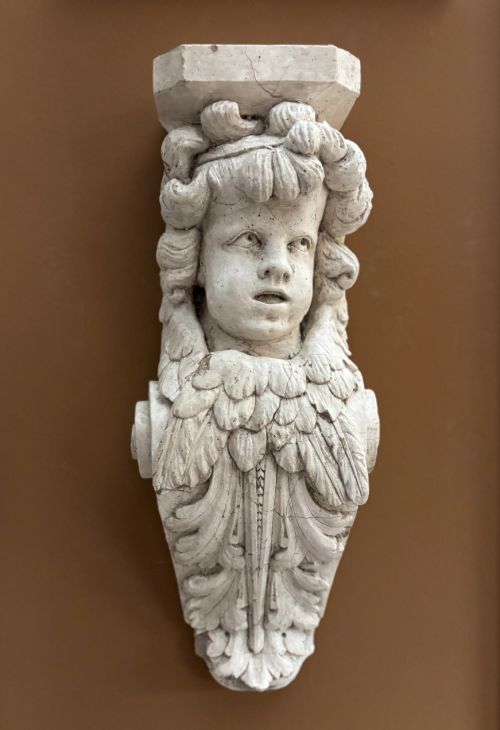
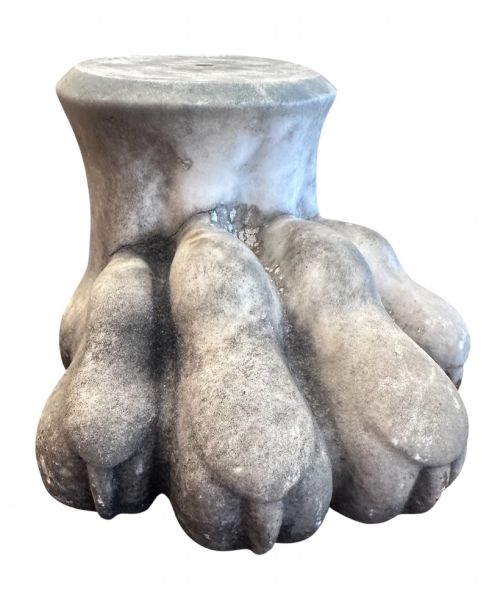
Quality rests in the crispness of the carving, the selection of the stone, and the integrity of the original form. A finely detailed Carrara marble lions paw or a Neoclassical statuary pedestal demonstrates superior sculptural skill compared to a purely utilitarian press base.
The degree of natural weathering and the survival of sharp architectural edges without modern cement repairs dictate the desirability of each piece. Proportion and material density also set individual items apart, distinguishing vernacular rural stone from high-status architectural elements.
The Architectural Stone Base Glossary
- Staddlestone
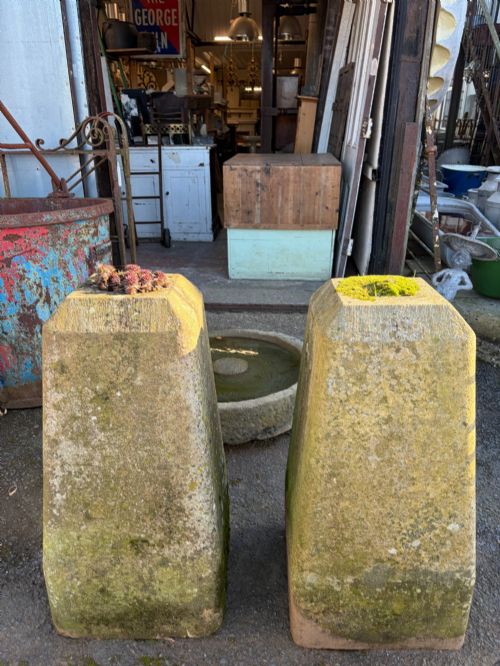
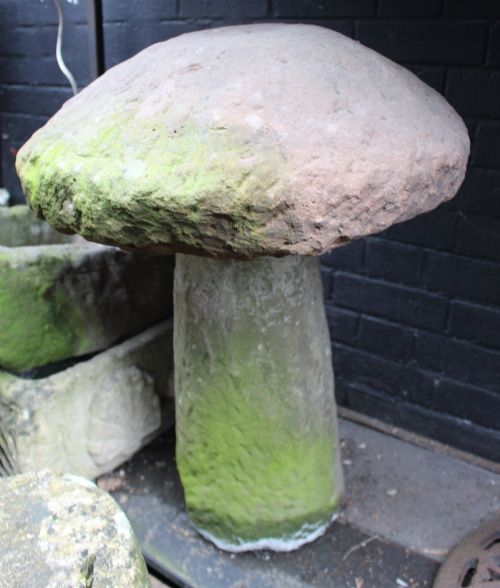
- A mushroom-shaped stone support originally used to elevate granaries and grain stores off the ground to keep damp and vermin away. These functional agricultural items now serve widely as decorative garden ornaments.
- Plinth
- A heavy flat-topped base that supports a statue, column, or urn, often carved with classical mouldings. In stone architecture, it elevates structural elements to create visual balance.
- Neoclassical
- A style drawing inspiration from the classical art and architecture of ancient Greece and Rome. Pieces from this tradition feature restrained ornament, symmetry, and formal dignity.
- Millstone
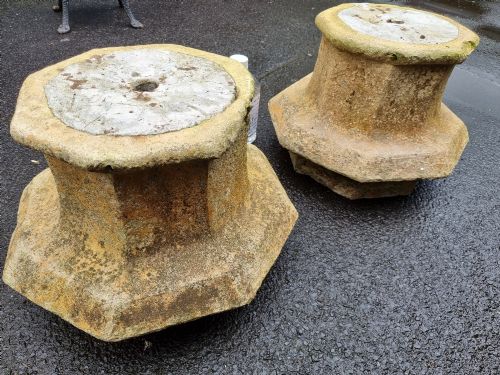
- A heavy circular stone used historically in pairs for grinding grain or crushing agricultural produce. Granite and limestone examples frequently survive as substantial circular architectural fragments.
Architectural Stone Base: Frequently Asked Questions
How were staddle stones used?
Historical staddle stones functioned as elevated legs for timber granaries and outbuildings. Their distinct mushroom shape prevented dampness from rising into stored grain and stopped rodents from climbing up into the harvest.
Today, they are repurposed primarily as garden ornaments or structural focal points in courtyards. Their sturdy construction allows them to sit directly on the ground outdoors without deteriorating.
Can these stone bases stay outside?
Most of these pieces are carved from durable stone such as granite, sandstone, limestone, and hard composite materials. They are naturally suited to withstand outdoor weather conditions throughout the year.
Exposure to the elements often enhances their appearance by encouraging natural lichen growth and softening the surface. Placing them on well-drained ground prevents moisture pooling during freezing winter months.
How do I identify the period of a stone base?
Dating relies on stylistic details, tool marks, and the specific stone used in the construction. Georgian and late Georgian items often display hand-chiselled surfaces and heavy utilitarian proportions, while Edwardian pieces may show more decorative Neoclassical or Gothic revival styling.
Comparing the form to known architectural salvage types helps narrow down the era. The presence of specific historical materials like Carrara marble also points towards particular design movements.