

Architectural Salvage
Architectural salvage brings centuries of craftsmanship into modern spaces, offering structural fragments and decorative remnants with genuine history.
Architectural Salvage
Architectural salvage comprises rescued elements from buildings and estates, ranging from timber panels to garden ironwork. These pieces retain the physical character of past construction methods and decorative styles.
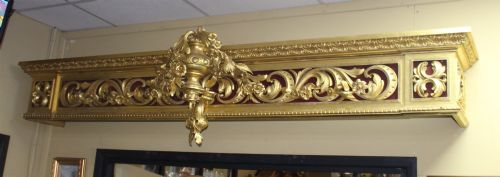
The selections available span multiple eras, with seventeenth-century carved oak, eighteenth-century stone elements, and nineteenth-century cast iron appearing regularly. Items include doors, finials, gates, and fireplace surrounds salvaged from period properties.
Buyers utilise these components to introduce historical authenticity into domestic interiors and gardens. Each item bears the marks of its previous structural context and age.
Materials and construction techniques
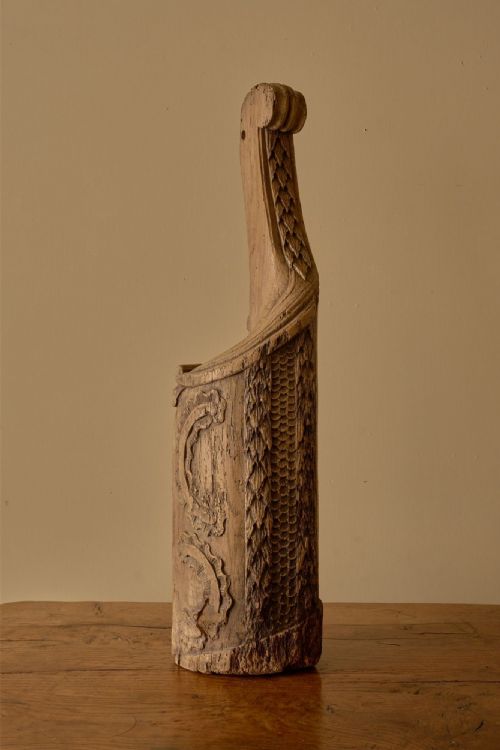
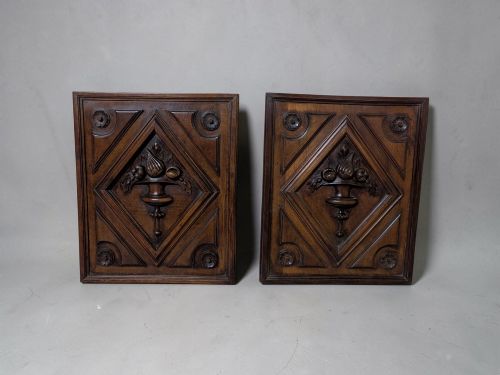
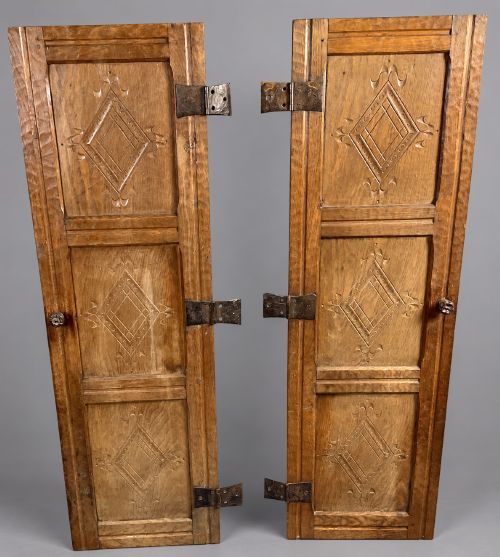
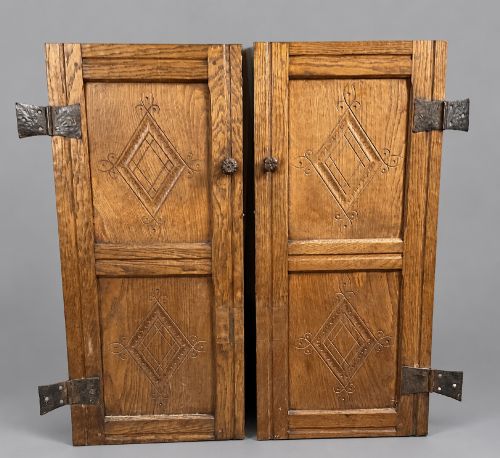
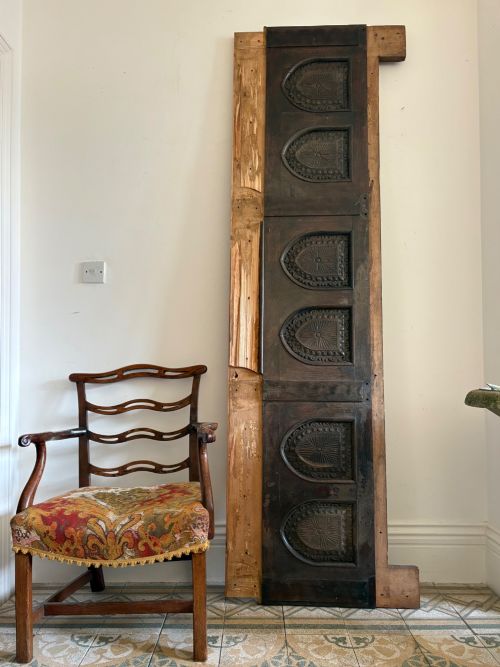
Timber elements rely heavily on oak and mahogany, shaped through hand carving, linenfold panelling, and gothic tracery. Carpenters and joiners utilised traditional jointing methods to construct structural members and decorative panels.
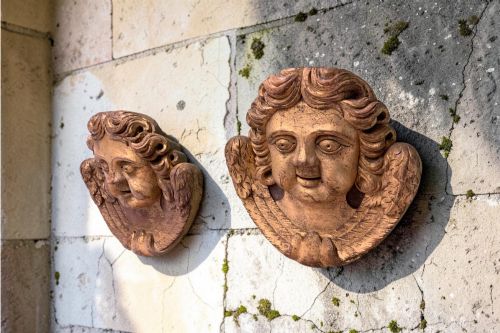
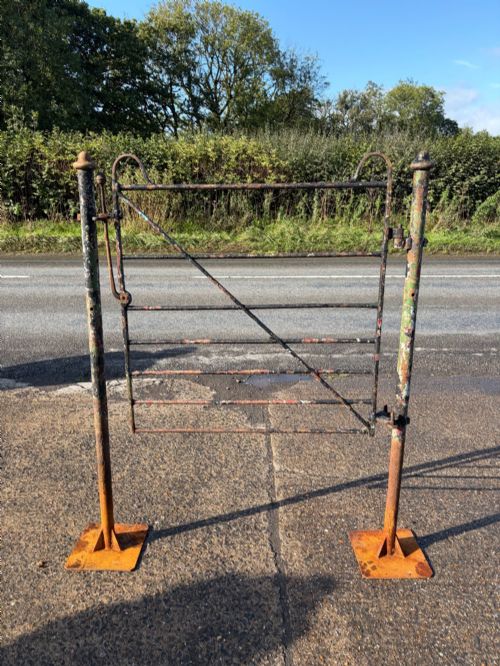
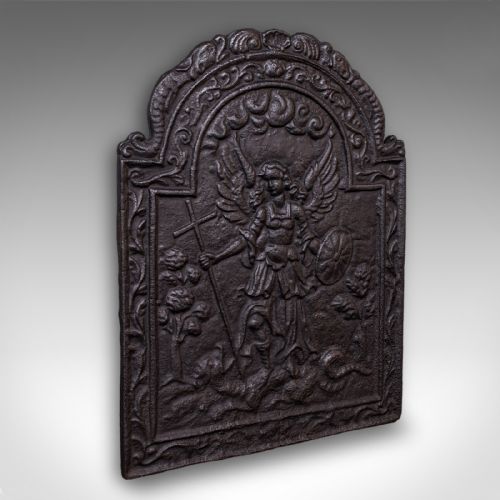
Metal components utilise cast iron, wrought iron, copper, and lead, often shaped via casting, forging, or beaten metalwork. Stone and terracotta elements demonstrate masonry skills through hand-carved limestone, sandstone, and granite.
Current listings feature materials spanning carved oak, white marble, cast iron, terracotta, and Cornish granite across multiple centuries.
What determines quality in salvage
The distinction between ordinary and exceptional pieces rests upon the depth of hand execution in carving and the integrity of the surviving material. Crisply defined details on stone corbels or oak panels demonstrate superior workshop execution.
Completeness and original surface condition dictate desirability, particularly where old paint, natural oxidation, or original patination remains intact. Items retaining their original structural context or pairing status command greater attention.
D.J. McLauchlan·Mouseman·Raymond Subes·C. R. Stevens
The Architectural Salvage Glossary
- Corbel
- A projecting stone or timber bracket supporting a weight above. Medieval examples often feature carved figural or architectural motifs.
- Linenfold
- A style of wood panelling carved to resemble folded vertical linen. This ornamentation appears frequently on sixteenth and seventeenth-century oak pieces.
- Finial
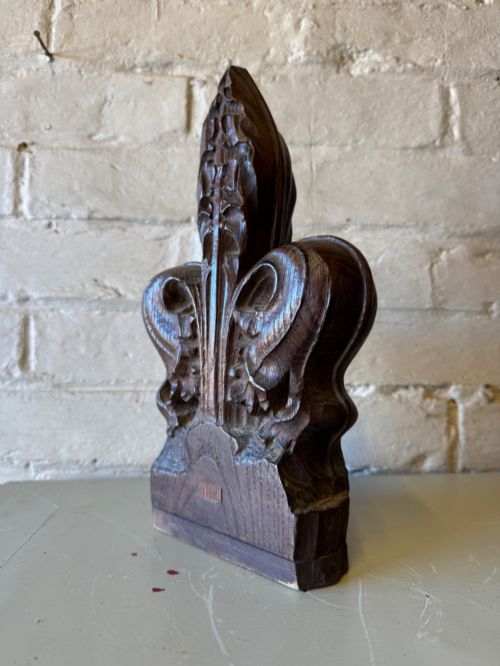
- A decorative ornament terminating the peak of a roof, gable, or post. Early examples display hand-carved timber or stone detailing.
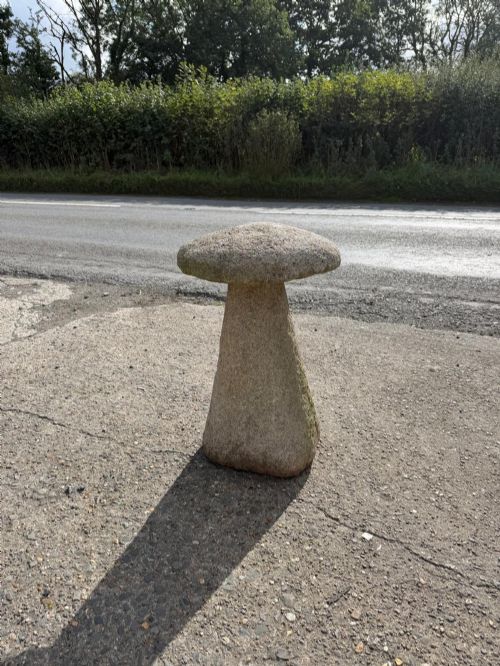
- Staddle stone
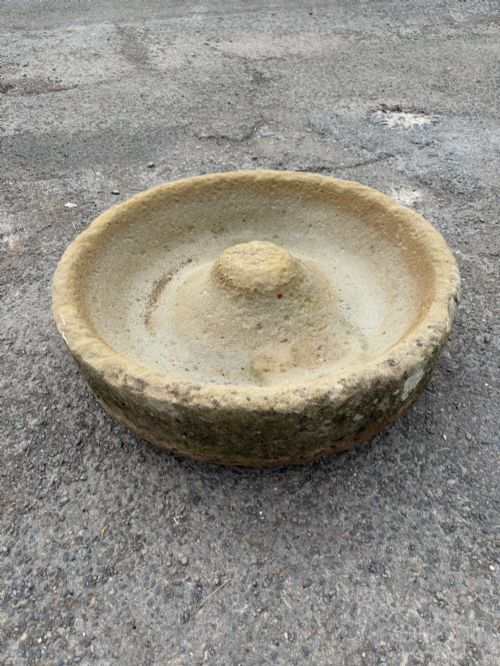
- A mushroom-shaped stone support utilised historically to raise granaries and barns above ground level. These stones are carved from granite or sandstone.
- Tracery
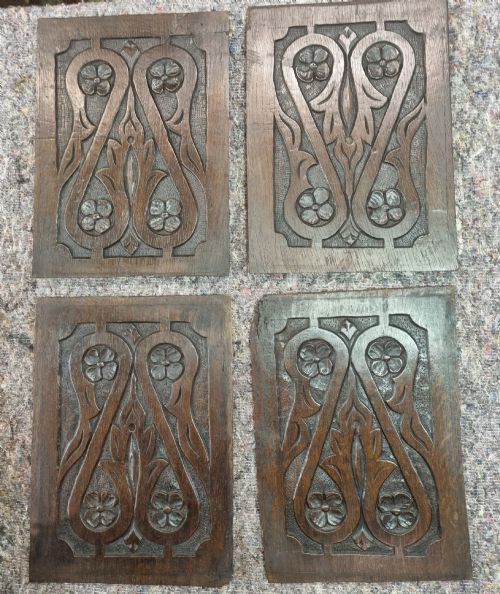
- Openwork intersecting pattern in stone or wood, typical of gothic architecture. Carved oak panels frequently incorporate this architectural detail.
Architectural Salvage: Frequently Asked Questions
What is architectural salvage?
Architectural salvage consists of building materials, ornaments, and structural components rescued from older properties slated for demolition or renovation. These items include timber panels, stone troughs, iron gates, and lanterns.
Buyers integrate these salvaged elements into new building projects or display them as standalone decorative objects within contemporary interiors and gardens.
How were old stone and iron pieces made?
Stone items such as staddle stones and corbels were hand-carved from sandstone, limestone, or granite using traditional mason's chisels and mallets. Metal components like gates and lanterns involved blacksmith forging or foundry casting.
These fabrication methods produced durable objects intended for long-term functional use on estates, churches, and civic buildings.
How do I date antique carved panels?
Dating relies upon identifying timber species, tool marks left by hand-working, and stylistic motifs characteristic of specific periods. Sixteenth and seventeenth-century panels often exhibit linenfold carving, whilst nineteenth-century pieces lean towards gothic revival tracery.
Examining the back of the wood and the joinery methods provides further evidence of the era of manufacture.
How can I incorporate salvage into a garden?
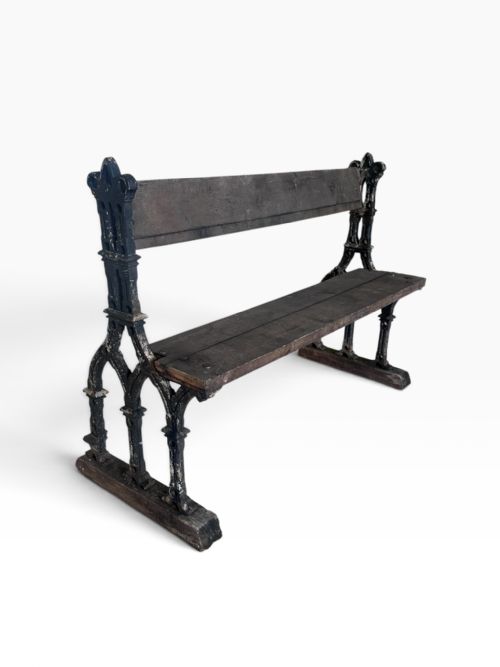
Garden placement works well with stone troughs, cast iron benches, and terracotta chimney pots utilised as planters or focal points. These weather-resistant materials acquire additional patination outdoors over time.
Heavier items require stable ground preparation, whilst iron gates need secure mounting posts matching their period of origin.