


Architectural Salvage Wood Carving
Architectural salvage wood carving brings centuries of historic joinery, panels, and ornaments directly into domestic interiors to add genuine architectural depth.
Architectural Salvage Wood Carving
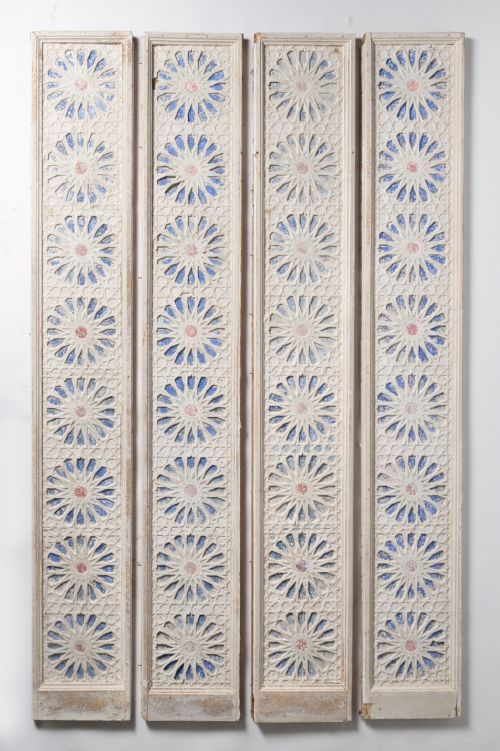
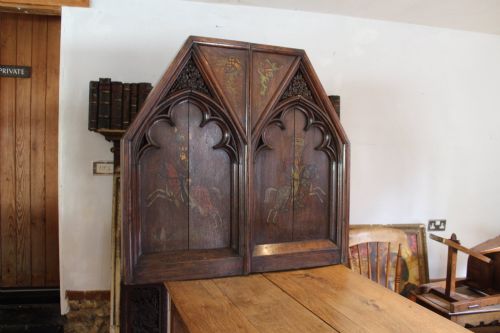
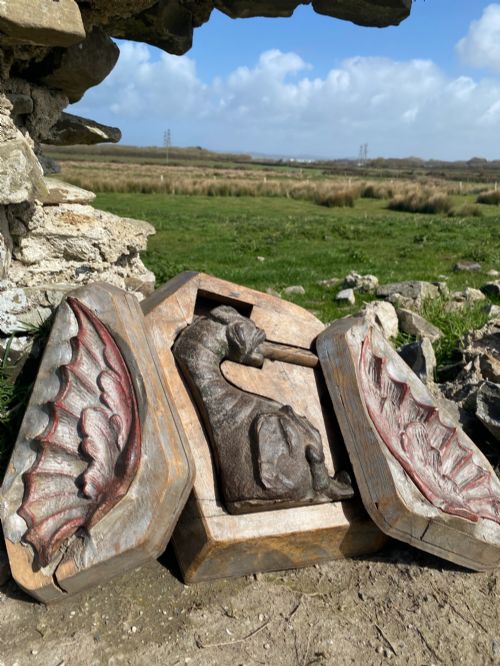
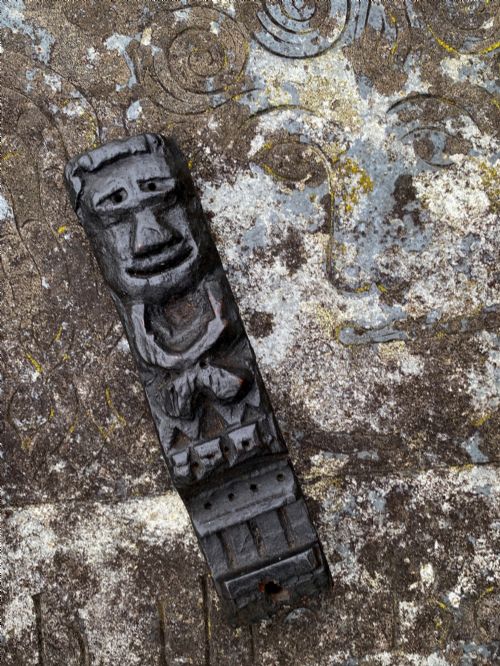
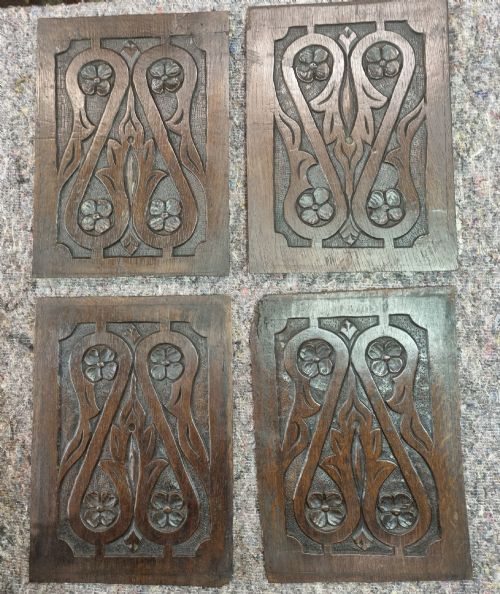
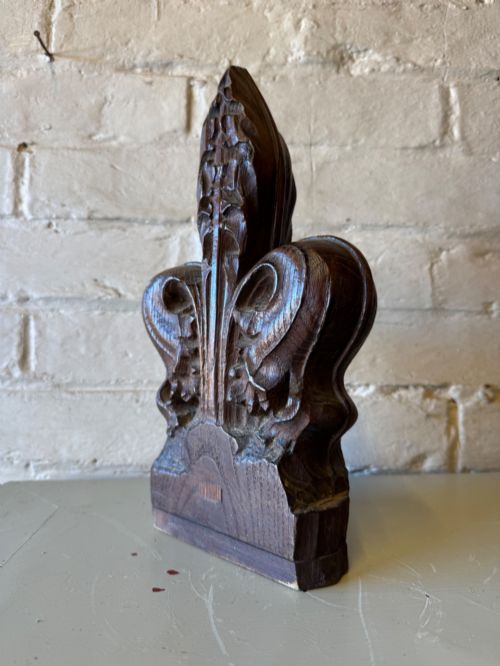
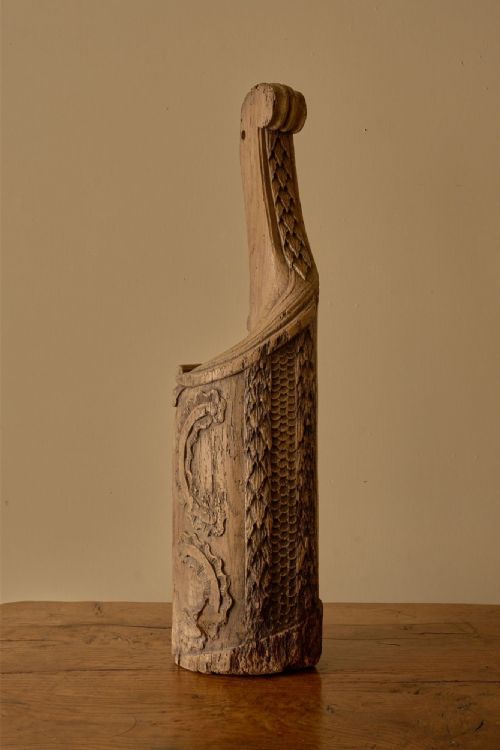
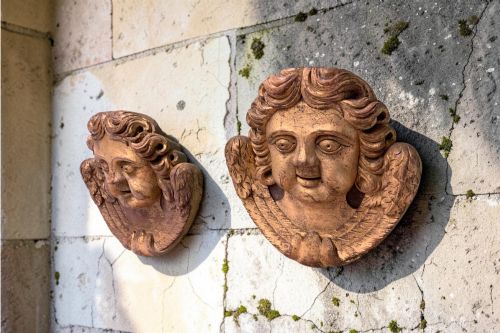
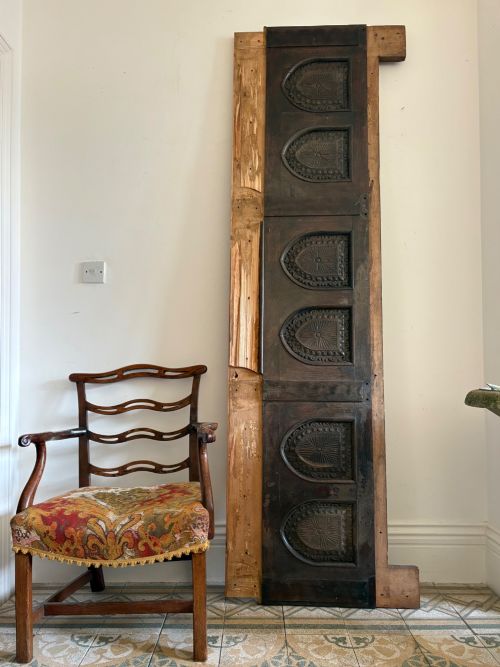
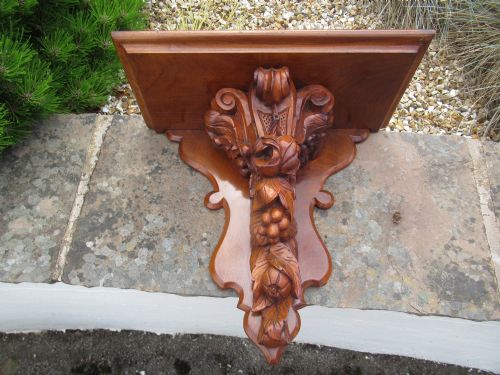
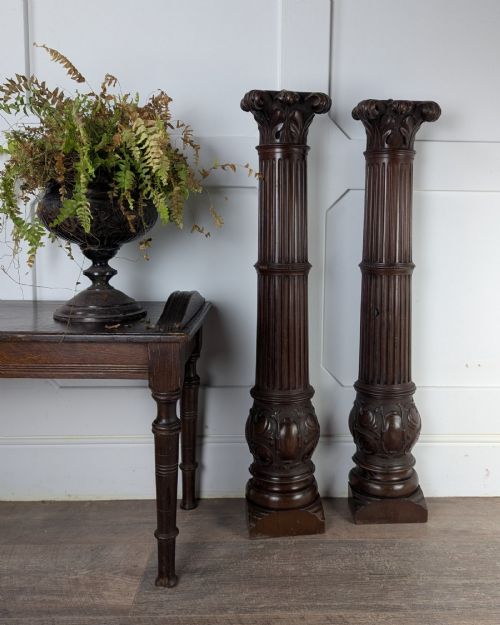
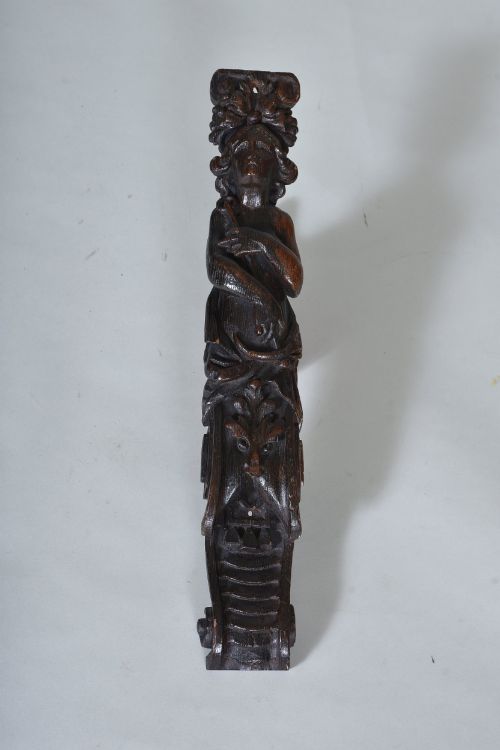
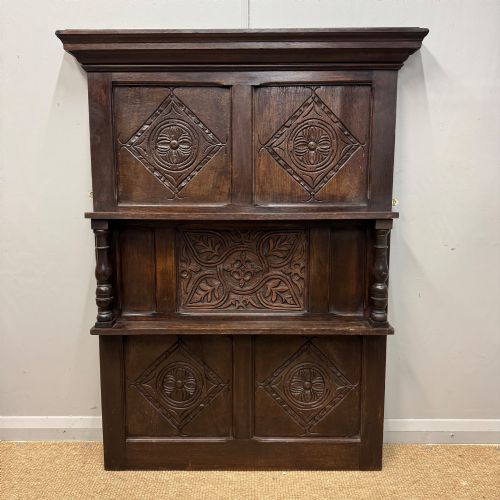
Architectural salvage wood carving encompasses historic panels, brackets, corbels, and overmantels rescued from period buildings. These elements range from medieval fragments and Tudor linenfold panels to baroque pillars and Georgian pine mantelpieces.
Buyers seeking architectural salvage wood carving most frequently encounter oak and pine items from the seventeenth, eighteenth, and nineteenth centuries. These pieces appear as wall panels, ceiling roses, and decorative overdoors suited for integration into contemporary rooms.
Materials and construction methods
Craftsmen carved these elements predominantly from native hardwoods like oak, walnut, mahogany, and limewood, alongside softer timbers such as pine. Artisans utilised hand chisels and gouges to achieve deep relief work on structural timbers and decorative mouldings.
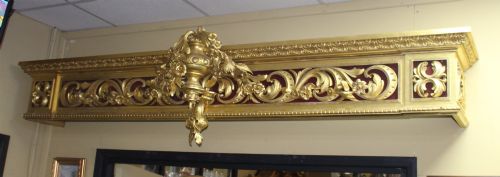
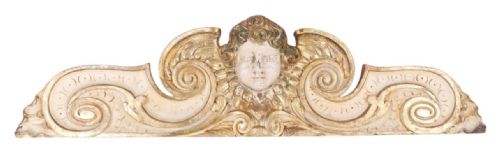
Surface treatments frequently involved applied gesso, gold leaf, and polychrome paint over the timber substrate. Many panels and architectural fragments also display the natural grain of aged wood developed through centuries of exposure.
Architectural Salvage Wood Carving Retail Price Guide 2026
Typical asking prices for architectural salvage wood carving among the pieces listed under this phrase on Sellingantiques today, from the lower quarter to the upper quarter. They describe what is for sale here now, not the wider market.
The listings span from the sixteenth to the early twentieth century, incorporating oak, pine, walnut, and gesso finishes.
Distinctions in quality and execution
The distinction between ordinary salvaged timber and superior carving lies in the crispness of the chisel work and the depth of the relief. Master carvers achieved anatomical precision and balanced proportions that lesser workshops simply imitated.
Integrity of the timber and the survival of original surface finishes dictate the standing of a piece. Intact gesso, original paint layers, and untouched patination elevate items far above heavily stripped or later re-carved examples.
Edward Pearce·Thomas Chippendale
The Architectural Salvage Wood Carving Glossary
- Linenfold
- A style of carved wooden panelling that resembles folded vertical folds of cloth. It is commonly found on Tudor and sixteenth-century examples.
- Overmantel
- A decorative panel or framework situated directly above a fireplace mantelpiece. These often incorporate intricate carvings, figures, or architectural moulding.
- Corbel
- A structural piece of stone or wood projecting from a wall to carry a weight. In salvage, these frequently take the form of ornate scrolling brackets.
- Gesso
- A plaster mixture used as a smooth base for paint or gold leaf application on wood. It allows for fine decorative relief details.
- Ceiling Boss
- A decorative knob or central ornament placed at the intersection of ribbed vaulting or ceiling timbers. They often feature carved leaves or figurative motifs.
Architectural Salvage Wood Carving: Frequently Asked Questions
How do I hang a heavy wooden panel?
Heavy panels and architectural fragments require robust wall fixings secured directly into studwork or masonry rather than plasterboard alone. Many pieces incorporate original mounting points or require custom concealed metal brackets.
Weight distribution is vital for larger overmantels and architectural carvings. Consulting a professional installer ensures the timber remains secure without sustaining structural damage from its own mass.
Can I clean historic carved wood?
Dusting with a dry, soft-bristled brush safely removes everyday accumulation from deep recesses without harming the patina. Avoid using water, domestic sprays, or harsh detergents on aged timber and gesso.
Wax can be applied sparingly to unfinished oak or walnut to nourish the grain. Painted or gilded surfaces should remain untreated unless assessed by a conservator.
How do I identify the wood type?
Oak and walnut display distinct grain patterns and weight that differentiate them from softer timbers like pine and limewood. Close inspection of the surface reveals whether the piece has been painted or left as bare wood.
Age also alters timber colour and density, making sixteenth and seventeenth-century oak noticeably darker and heavier than later pine or mahogany adaptations.
Where should I place an architectural fragment?
Architectural carvings look striking mounted on plain walls as standalone art pieces or integrated into existing joinery. Overmantels naturally find a home above fireplaces, echoing their original intended placement.
Placement should avoid areas subject to extreme humidity or direct radiator heat. Stable indoor climates prevent the historic wood from warping or cracking over time.