



Architectural Salvage Wall Plaque
An architectural salvage wall plaque brings centuries of building craft indoors, offering carved timber, cast iron and painted street signs for interior display.
Architectural Salvage Wall Plaque
When you search for an architectural salvage wall plaque, you encounter pieces detached from buildings, streetscapes and historic interiors. These objects range from heavy metal signs and cast iron crests to intricate wooden carvings salvaged over generations.
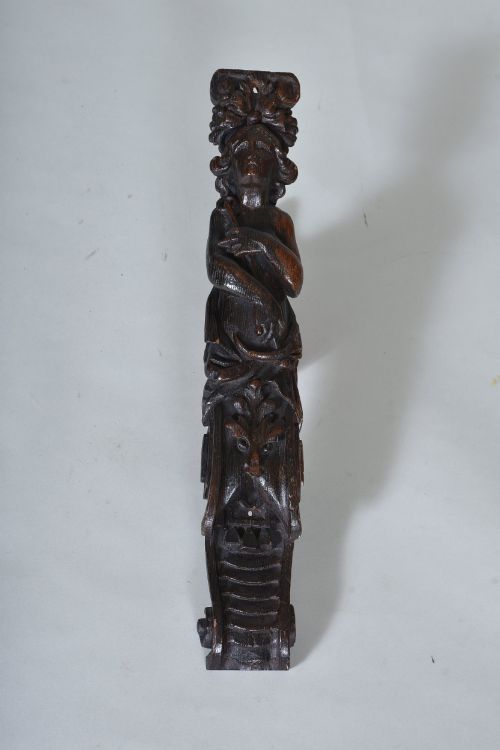
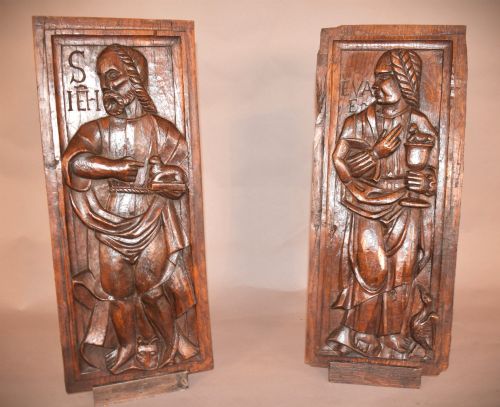
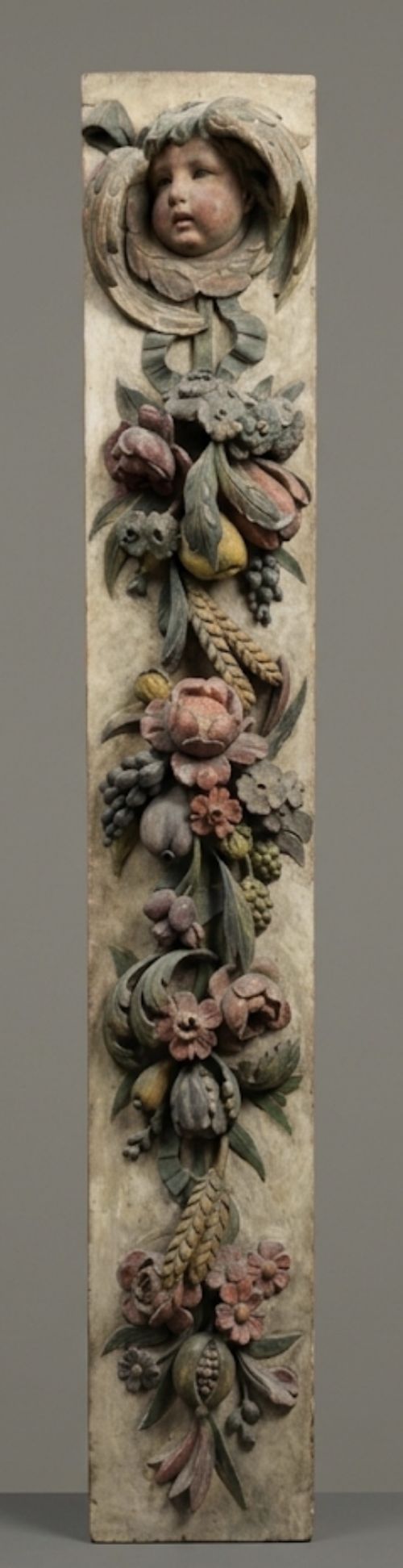
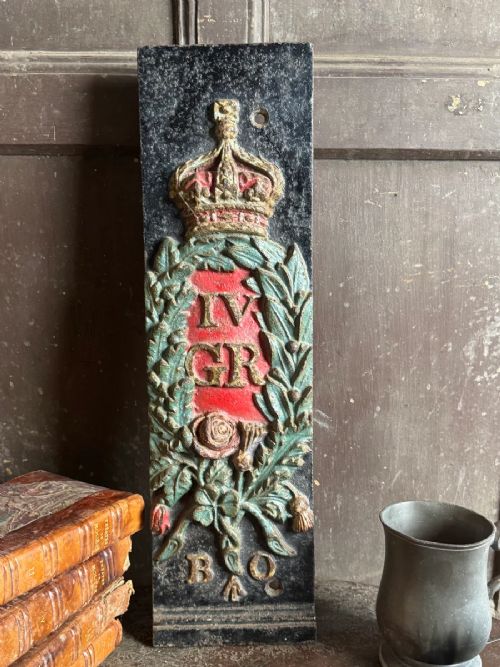
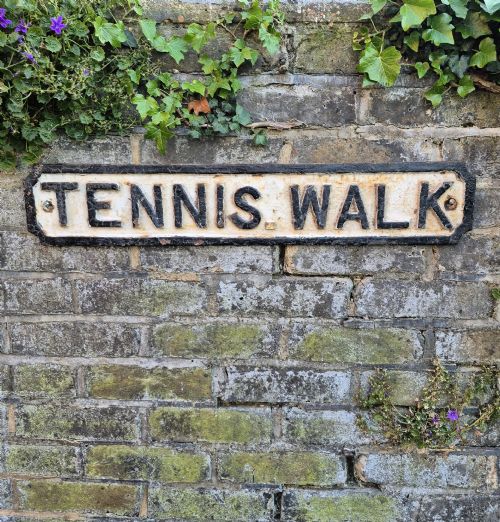
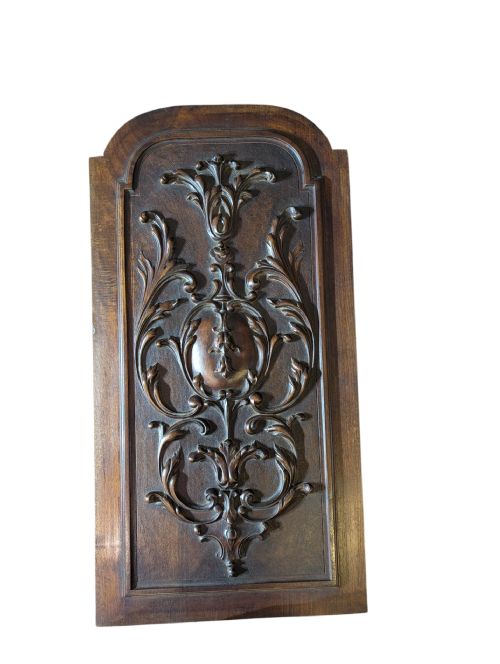
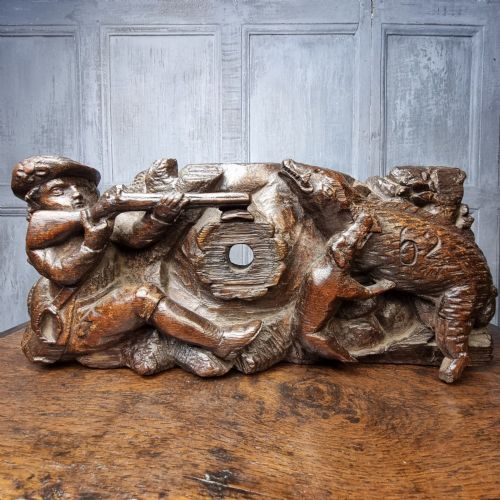
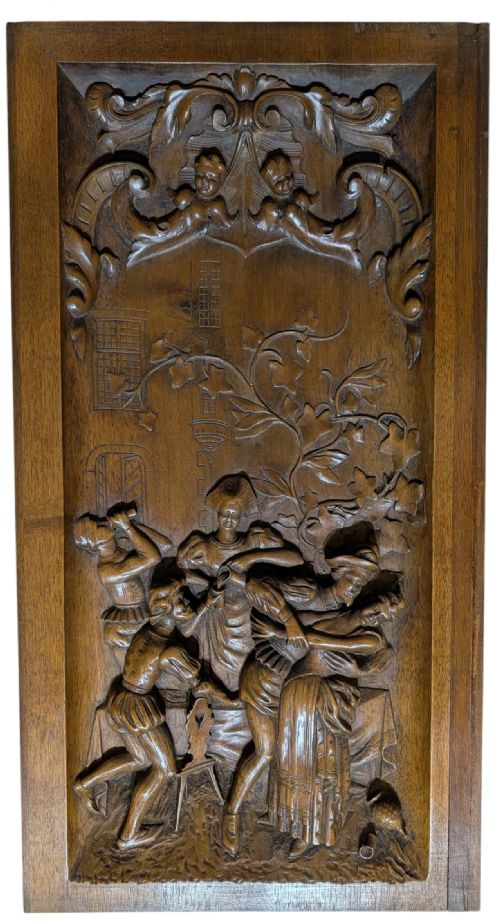
The selections available here lean heavily towards carved oak panels and cast iron heraldic plaques from the seventeenth and nineteenth centuries. You also find street signs, stone keystones and painted wooden panels originating from Britain, France and further afield.
Buyers choose these items to anchor a room with genuine history, mounting them on walls much like traditional artwork. Each piece carries the distinct marks of its original exterior or interior architectural context.
Materials and construction
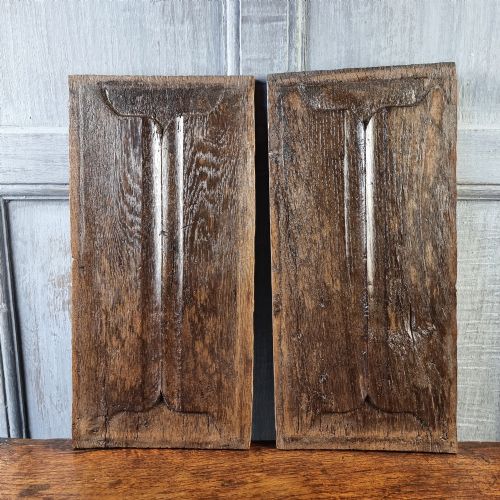
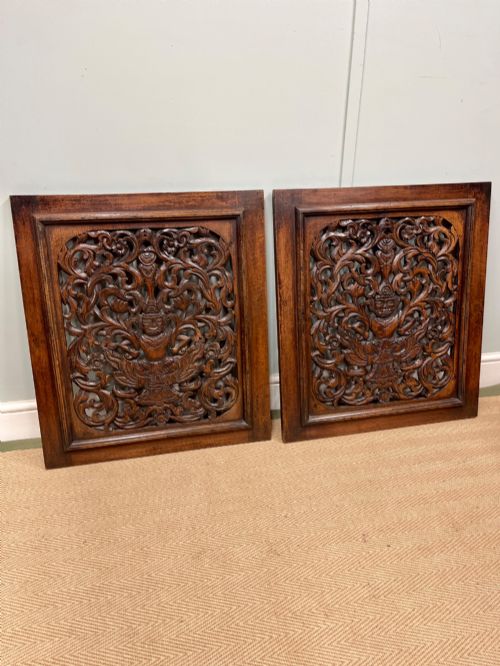
Timber works form the backbone of these pieces, utilising dark oak, tiger oak and general wood carved by hand into linenfold patterns, figural reliefs and allegorical scenes. Artisans also employed gesso and gold leaf to finish surfaces, alongside polychrome paint applications.
Metal elements rely on cast iron and bronze, poured into moulds to create robust heraldic plaques, balustrade sections and animal masks. Vitriolite glass and curved brass appear in street and exterior signage from later periods.
Sandstone and terracotta provide heavier sculptural options, shaped into keystones and architectural masks. These varied materials reflect the specific functional demands of the buildings they originally inhabited.
The listings span multiple centuries, incorporating materials like cast iron, dark oak, gold leaf, terracotta and vitriolite glass across various European and Asian origins.
Distinguishing quality in salvage pieces
Metal castings vary according to the clarity of the mould and the preservation of surface detail in heraldic crests and iron plaques. Pieces retaining their authentic weathering and early mounting fixtures command greater appreciation from collectors.
The Architectural Salvage Wall Plaque Glossary
- Linenfold
- A style of wood carving representing folded fabric or linen, frequently seen on sixteenth and seventeenth-century panels. It gives flat timber surfaces a textured, textile-like appearance.
- Keystone
- The central wedge-shaped stone at the summit of an arch, sometimes carved with dates or masks. They were structural load-bearers before removal.
- Polychrome
- Decorated in multiple colours, often referring to painted wood or terracotta surfaces. This finish has frequently weathered or aged over centuries.
- Armorial plaque
- A flat decorative piece displaying a coat of arms or heraldic symbols. These were often mounted to signify ownership, allegiance or civic pride.
- Vitriolite
- An opaque pigmented structural glass popular for twentieth-century signage. It provides a glossy, durable surface for street names and exterior notices.
Architectural Salvage Wall Plaque: Frequently Asked Questions
How do I hang a heavy cast iron plaque?
Heavy cast iron pieces require secure mechanical fixings directly into masonry or robust wall studs. You should assess the weight of the specific plaque before attempting installation.
Professional wall anchors ensure the object remains safely supported without damaging the surrounding plaster or the antique material itself.
Are these plaques suitable for outdoor display?
Most of these items originate from exterior architectural settings, but centuries indoors or outdoors change their resilience. Cast iron and stone generally withstand sheltered exterior conditions better than old painted wood.
Moisture and frost can degrade delicate gesso, gold leaf or unsealed timber over time. Interior placement remains the safest option for preserving fragile finishes.
How can I tell the age of a carved oak panel?
Age is assessed through tool marks, timber shrinkage, joint construction and stylistic conventions like Jacobean or Baroque motifs. Seventeenth-century panels display hand-adzed surfaces and traditional peg joinery rather than modern fixings.
Comparing the wear patterns and patina against documented examples from the same period helps confirm the date.
What is the difference between architectural salvage and wall art?
Architectural salvage was originally part of a building, gate or streetscape rather than created purely for decorative hanging. These items served structural or functional purposes before being rescued during demolition or renovation.
Wall art is manufactured specifically for interior display, whereas salvage carries the distinct history of its previous architectural life.