





Architectural Salvage Pillars
Architectural salvage pillars bring structural weight and historic presence into a room, spanning centuries of carved stone, weathered wood, and classical revival design.
Architectural Salvage Pillars
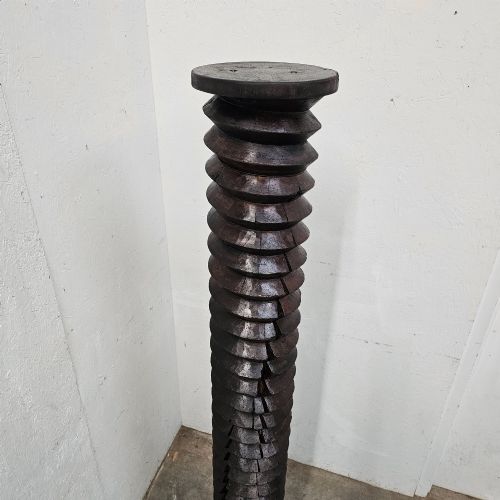
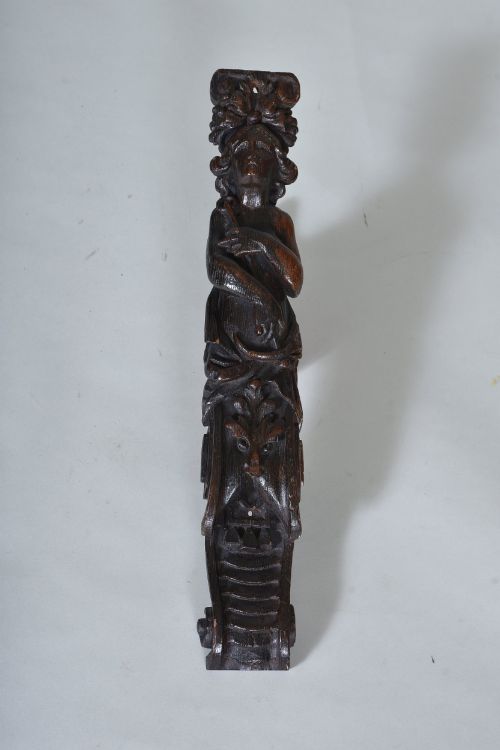
Architectural salvage pillars encompass structural supports, columns, and fragments retrieved from buildings, chapels, fairgrounds, and gardens across different eras. These elements range from monumental continental baroque carved wooden pillars and classical stone capitals to rustic staddlestones and repurposed bedposts.
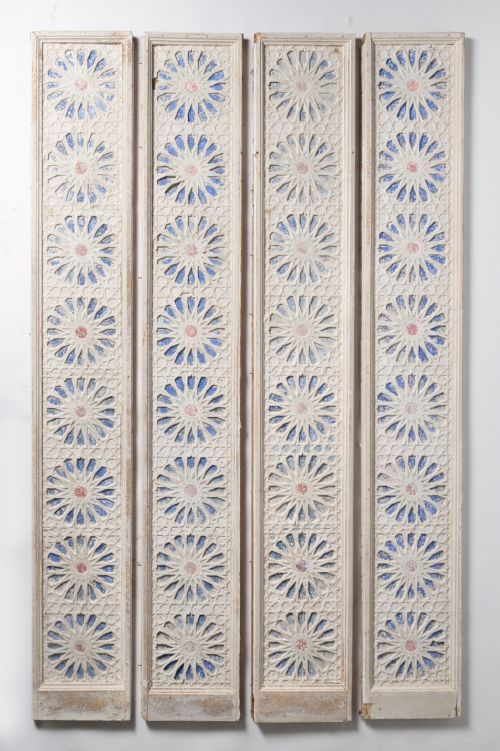
The selections available lean heavily toward nineteenth century examples, featuring pairs of hardwood columns, limestone Corinthian capitals, and painted wooden shafts. Buyers frequently encounter pieces transformed into lamp bases or garden ornaments, alongside components requiring full restoration.
Origins stretch from English and French workshops to continental Europe, India, and specific regional structures like Cornish Methodist chapels. The forms adapt readily to modern interiors as decorative focal points or architectural accents.
How they were made
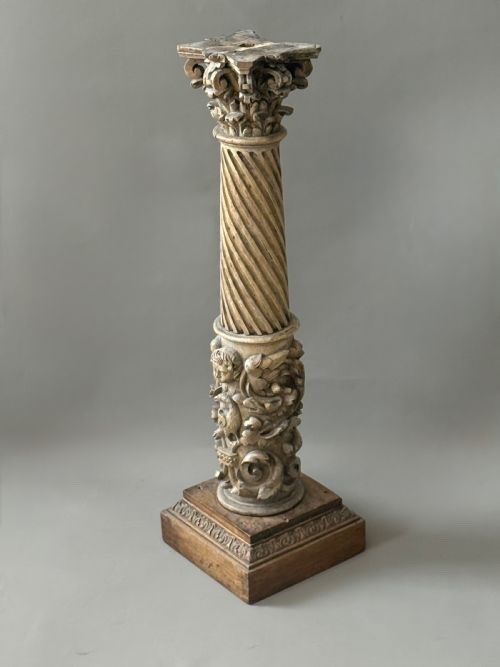
Makers shaped these pillars using traditional hand-carving techniques on dense materials such as hardwood, oak, sandstone, limestone, and granite. Structural elements often combine stone bases with carved wooden shafts, sometimes embellished with gesso, paint, or parcel gilt finishes.
Surfaces bear the marks of manual labour, from chiselled ionic capitals to weathered textures showing lichen and layered historical paint. Joinery and structural integrity relied on solid timber construction or weighty masonry, designed originally to bear significant loads.
Architectural Salvage Pillars Retail Price Guide 2026
Typical asking prices for architectural salvage pillars among the pieces listed under this phrase on Sellingantiques today, from the lower quarter to the upper quarter. They describe what is for sale here now, not the wider market.
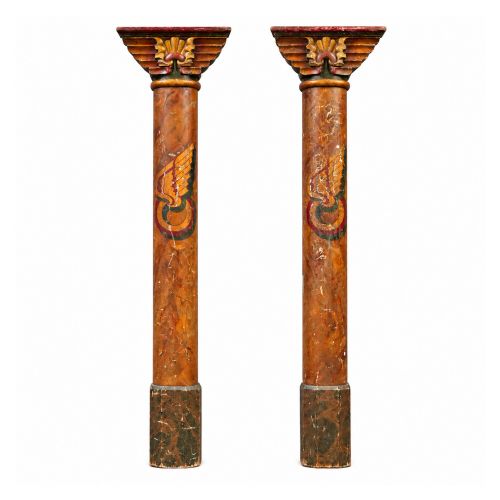
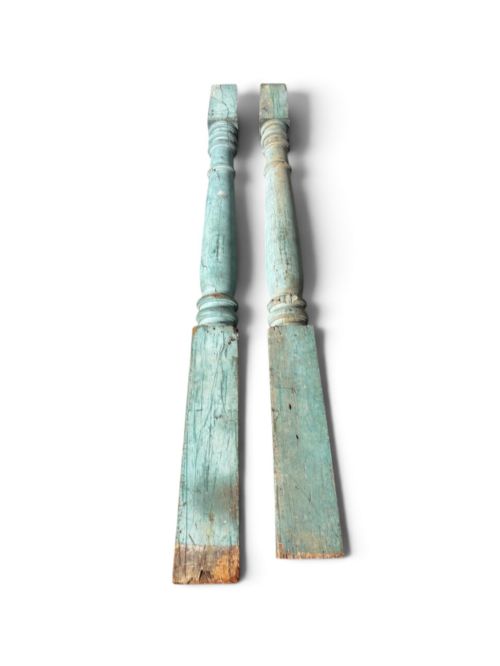
Among the architectural timberwork, cheerful survivors from Edwardian fairgrounds and nineteenth century bedposts rub shoulders with solemn chapel granite.
What varies in quality
Quality rests upon the depth and crispness of the carving, particularly across capitals and decorative mouldings where artisan skill is most evident. Intact sets and matched pairs command greater architectural cohesion than solitary fragments.
The integrity of the original material dictates longevity, separating solid sandstone and seasoned hardwood from softer timbers compromised by rot or excessive weathering. Original surface treatments, such as early paint layers or parcel gilt, preserve historical authenticity.
The Architectural Salvage Pillars Glossary
- Capital
- The topmost member of a pillar or column, often decorated with carved foliage or architectural orders such as Corinthian or Ionic. These carved crowns define the classical style of the support.
- Staddlestone
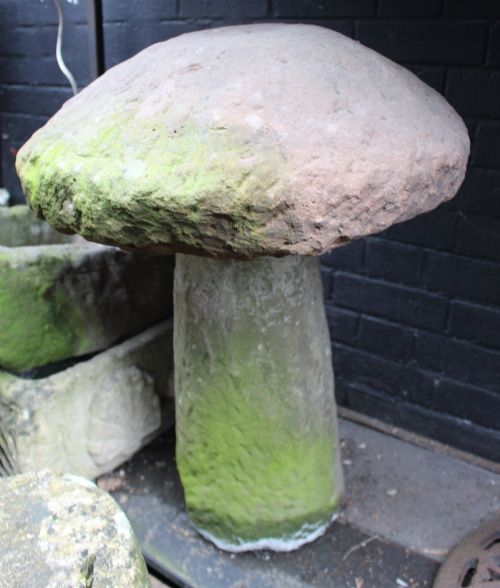
- A mushroom-shaped stone support historically used to elevate granaries and barns off the damp ground to deter pests. They function today primarily as garden ornaments.
- Pilaster
- A rectangular architectural element that projects slightly from a wall, mimicking the appearance of a classical column with a base and capital. It provides visual structure without freestanding support.
- Parcel Gilt
- A decorative technique where specific carved areas are highlighted with thin gold leaf while the underlying wood or paint remains exposed. This finish accentuates intricate relief work.
- Architectural Salvage
- Building materials and decorative elements rescued from structures slated for demolition or alteration. These pieces retain historical craftsmanship for reuse in new settings.
Architectural Salvage Pillars: Frequently Asked Questions
Can these heavy stone columns stand outside?
Granite, sandstone, and limestone pillars tolerate outdoor placement well, developing natural weathering and lichen over decades. Proper foundation support is essential given their considerable weight.
Wooden columns require sheltered positions or indoor placement to prevent moisture damage and deterioration of historical paint or gilt finishes.
How do I identify the period of a pillar?
Dating relies on stylistic clues, tool marks, and material choices associated with periods like the nineteenth century, Regency, or seventeenth century Jacobean. Classical proportions and carved details often mirror architectural handbooks of their era.
Matched pairs, documented provenances from chapels or fairgrounds, and historical paint layers further narrow down the exact age and origin.
How can I integrate a tall pillar into a room?
Pillars function effectively as standalone sculptural objects, room dividers, or integrated into bespoke interior joinery. Some examples are adapted into lamp bases for immediate functional placement.
Securing taller stone or wood columns safely to walls or floors ensures stability within domestic environments.