



Architectural Salvage Hardware
Architectural salvage hardware encompasses practical fittings reclaimed from older buildings, offering solid metals and period designs that bring character to modern homes.
Architectural Salvage Hardware
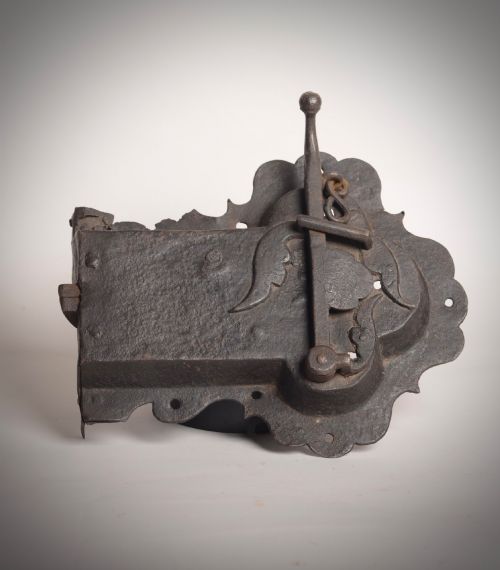
Architectural salvage hardware comprises functional metal and wooden fixtures rescued from historic properties, covering everything from simple door latches to elaborate knockers. When looking for architectural salvage hardware, buyers encounter an array of period items ranging from seventeenth-century rim locks to twentieth-century brass push plates.
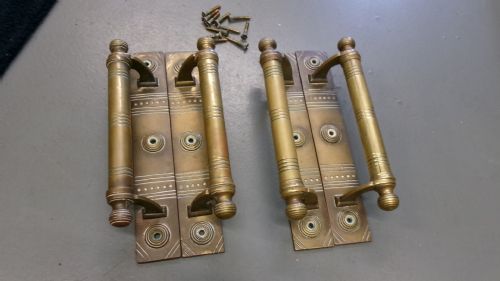
The pieces listed on this page focus heavily on door furniture, including handles, hinges, locks, and knockers in styles spanning Georgian elegance, Victorian ornamentation, and Arts and Crafts simplicity. Brass and cast iron items dominate the selection, reflecting the materials most commonly recovered from nineteenth-century buildings.
Materials and construction methods
Items in this category rely primarily on cast metals such as brass, bronze, iron, and cast iron, shaped through traditional founding techniques. Many components feature hand-finished details, visible in the chasing of bronze door plates or the turning of wooden and brass knobs.
Structural elements incorporate durable woods like oak alongside steel and iron for internal mechanisms, ensuring longevity in daily use. Surface finishes include patinated bronze, enamelled coatings, and polished brass that develop distinct signs of age over decades of handling.
Architectural Salvage Hardware Retail Price Guide 2026
Typical asking prices for architectural salvage hardware among the pieces listed under this phrase on Sellingantiques today, from the lower quarter to the upper quarter. They describe what is for sale here now, not the wider market.
Assessing quality in salvaged fittings
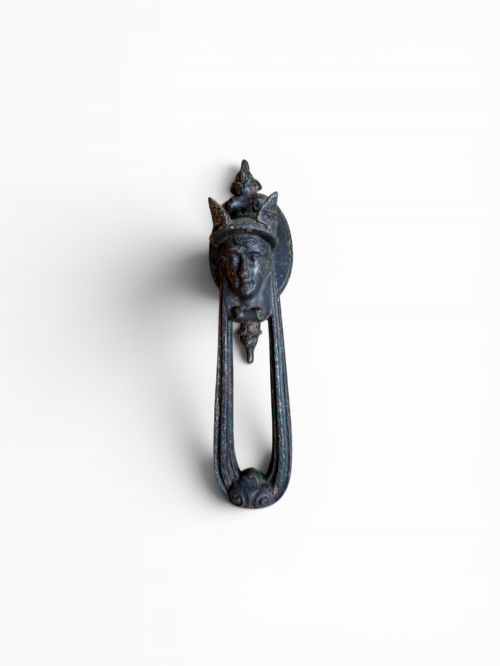
Quality in these items rests on the weight of the metal, the crispness of cast ornamentation, and the survival of original mechanisms such as internal springs and box locks. Heavier castings and deeply detailed motifs, such as cast iron Hermes heads or bronze foo lions, indicate superior workmanship.
The presence of matching sets and original keys elevates a piece, as does complete restoration that preserves the historic metal surface rather than stripping its character. Pieces that retain their working internal components demonstrate better integrity than those reduced to decorative fragments.
Gerwin Co Birmingham
The Architectural Salvage Hardware Glossary
- Rim lock
- A mechanical lock mounted onto the surface of a door rather than mortised inside it. These units often feature decorative cast iron or brass cases common in seventeenth and eighteenth-century interiors.
- Bell pull
- A mechanical lever or handle wired to an internal bell system, allowing visitors to summon staff. Georgian and Victorian examples frequently incorporate ornate brass backplates and turned grips.
- Sash lift
- A small handle fixed to the bottom rail of a window sash to help raise or lower glass frames. Brass versions from the nineteenth century often feature simple recessed designs or decorative moulding.
- Finial
- A decorative terminal ornament screwed onto the end of a hinge barrel or curtain rod. Victorian iron and brass hinges frequently utilise acorn or urn shapes.
- Push plate
- A flat protective plate fixed to a door beside the handle to prevent finger marks on the wood or paint. Edwardian and Victorian versions appear in brass, enamel, and porcelain.
Architectural Salvage Hardware: Frequently Asked Questions
How do I clean old brass hardware?
Wash brass pieces gently with warm soapy water and a soft brush to remove accumulated dirt without destroying the aged surface. Avoid harsh chemical polishes that strip away historical patina and leave the metal unnaturally bright.
Allow the metal to dry thoroughly before refitting it to a door or cabinet. A light application of microcrystalline wax can protect the surface from further tarnishing.
Will old rim locks fit modern doors?
Historic rim locks often require careful adjustment because standard modern door thicknesses and latch heights differ from nineteenth-century specifications. Many older locks operate on different backsets, meaning the spindle hole might not align with existing bore holes.
Check the dimensions and hand of the lock carefully before installation. A skilled carpenter can often recess the keep and adjust the spindle to make antique mechanisms functional.
How do I identify a Victorian door knocker?
Victorian door knockers typically feature heavy cast brass or iron construction, often displaying classical revival motifs such as urns, sphinxes, or mythological heads. They are generally substantial in size and attach through the door with bolt fixings.
Simpler utilitarian designs appeared alongside ornate architectural styles during the late nineteenth century. Examine the rear of the casting and the mounting plate for signs of hand-finishing and age.
Can I use salvaged hinges outside?
Most historic iron and brass hinges lack modern weather-resistant coatings and will corrode quickly if exposed to constant rain and damp conditions. Internal door hardware is best kept in sheltered interior environments.
If you use salvaged iron hinges outdoors, treat them with a protective wax or specialised rust inhibitor. Regularly monitor the metal for signs of red rust or pitting.