




Architectural Salvage Frame
An architectural salvage frame brings history directly into modern interiors, offering structural character drawn from windows, doors, and fire surrounds.
Architectural Salvage Frame
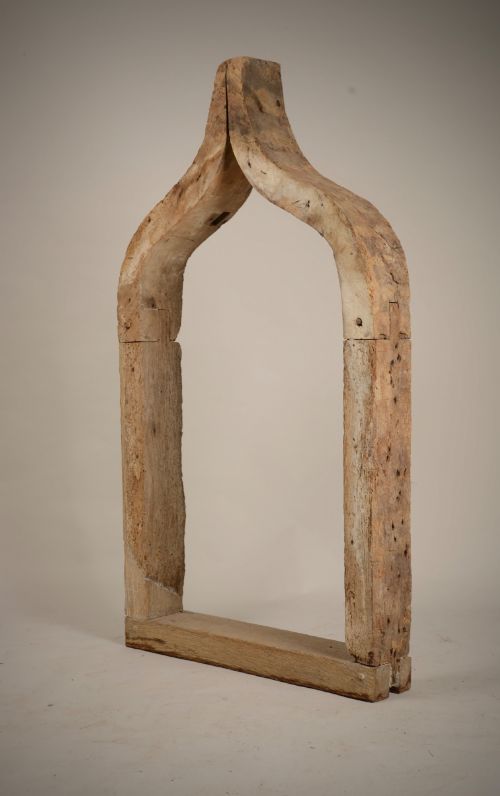
When searching for an architectural salvage frame, buyers encounter structural remnants repurposed from historic buildings, churches, and domestic properties. These pieces span centuries of design, encompassing timber surrounds, metal grilles, and arched window openings.
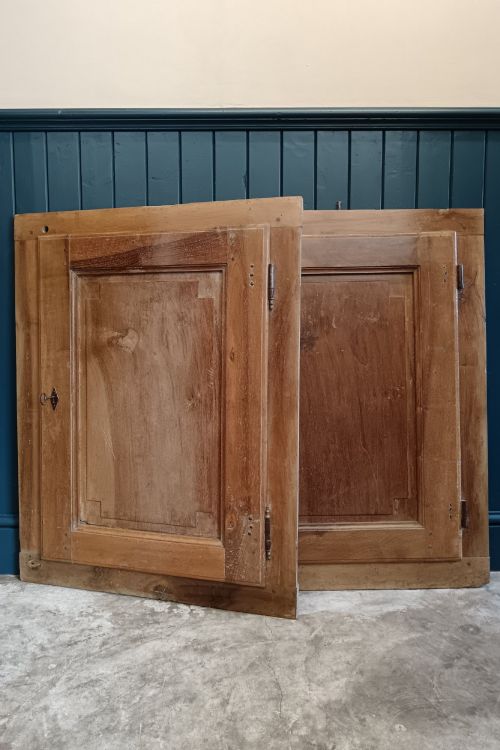
The selection on this page leans heavily toward Victorian and Edwardian examples, alongside earlier walnut cupboard frames and ecclesiastical panels. Such objects serve as mirrors, wall art, or structural dividers within contemporary spaces.
Originating from diverse traditions including Gothic Revival, Arts and Crafts, and Italian Provincial styles, each frame carries the distinct marks of its original architectural context.
Materials and construction techniques
Makers utilised solid hardwoods such as oak, walnut, and pine, often finished with hand-carved details or painted surfaces that have weathered through decades of use. Iron and cast iron components provide industrial strength, frequently appearing in bench ends, grilles, and heavy structural surrounds.
Architectural Salvage Frame Retail Price Guide 2026
Typical asking prices for architectural salvage frame among the pieces listed under this phrase on Sellingantiques today, from the lower quarter to the upper quarter. They describe what is for sale here now, not the wider market.
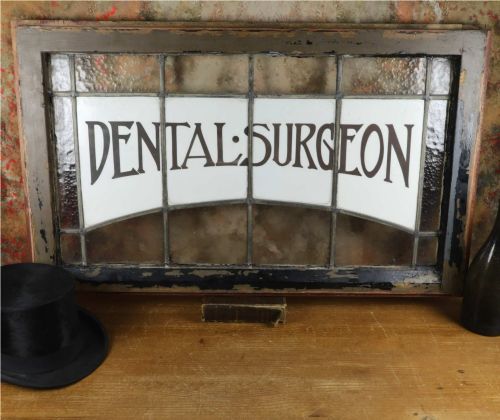
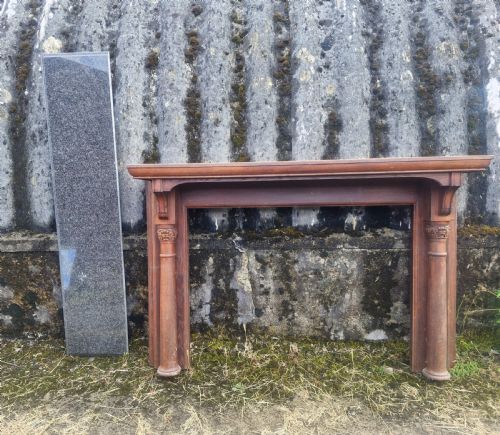
The inventory spans Victorian, Edwardian, and earlier eras, incorporating diverse forms such as fire surrounds, church tracery panels, and vitriolite glass signs.
Evaluating craftsmanship and integrity
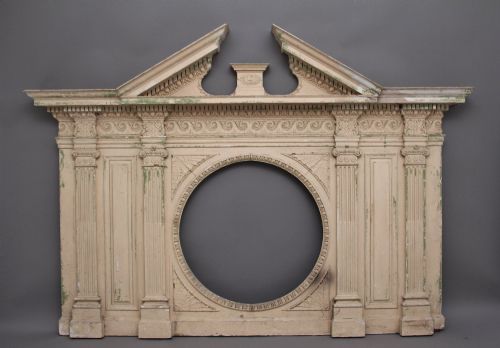
The distinction between standard utility items and superior examples lies in the depth of hand-carved ornamentation and the complexity of the joinery. Elaborate ecclesiastical tracery or finely painted stained glass panels represent the upper end of domestic and public architecture.
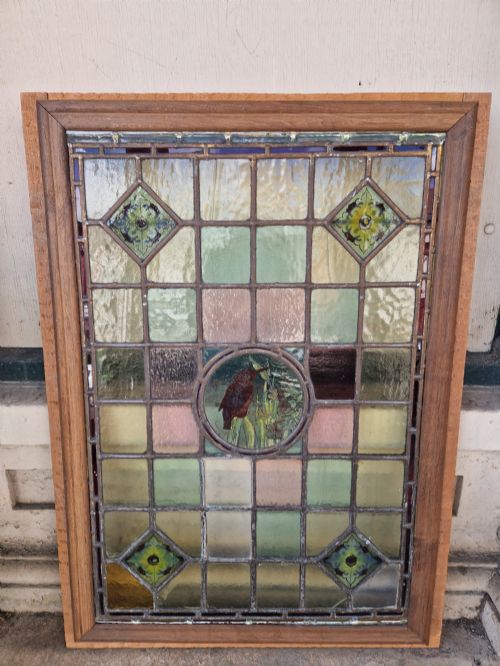
Originality of surface finish and hardware dictates the integrity of a piece. Retaining untouched patination, original paint, and authentic leadwork elevates a frame from a simple salvaged fragment to a significant decorative focal point.
Gerwin & Co Birmingham·Coalbrookdale
The Architectural Salvage Frame Glossary
- Arch top
- A curved upper structural profile commonly found on church windows and doorway openings. This shape softens rigid lines in interior schemes.
- Lead cames
- The slender grooved strips of lead used to hold individual pieces of cut glass together in stained windows. They provide both structural support and linear definition.
- Ecclesiastical tracery
- Ornamental stone or wooden intersecting ribwork supporting glass in church windows. This Gothic technique adds intricate geometric patterns to large openings.
- Overmantel
- A decorative panel, mirror, or frame fitted directly above a fireplace mantelpiece. It typically mirrors the architectural style of the surround below.
- Vitriolite
- An opaque coloured structural glass popular in early twentieth-century signage and architectural cladding. It provides a glossy, durable surface resistant to weathering.
Architectural Salvage Frame: Frequently Asked Questions
How do I hang a heavy wooden frame?
Heavy timber and cast iron frames require secure fixing directly into wall studs or masonry using appropriate heavy-duty brackets. Professional installation is recommended to support the substantial weight safely.
Distributing the load evenly across multiple anchor points prevents structural strain on both the wall and the antique frame itself.
Can old windows be used as mirrors?
Many salvaged window frames are adapted to hold mirrored glass, transforming transparent panels into reflective wall decorations. This preserves the original paint and leadwork while adding functionality to a room.
Choosing antiqued mirror glass helps maintain the historical aesthetic of the surrounding wood or metal frame.
How do I clean antique stained glass?
Stained glass panels require gentle cleaning with a soft microfibre cloth and mild, non-ammonia soap solution. Avoid harsh chemical cleaners that can degrade aged lead cames and hand-painted details.
Support the glass panel from behind while cleaning to prevent pressure on fragile historical joints.
How do I identify a Victorian fire surround?
Victorian surrounds often feature cast iron construction, heavy carved marble, or dark oak timber with classical or Gothic Revival motifs. Proportions tend to be generous to accommodate coal-burning hearths of the period.
Subtle tool marks and period-specific material choices help distinguish these pieces from later reproductions.