


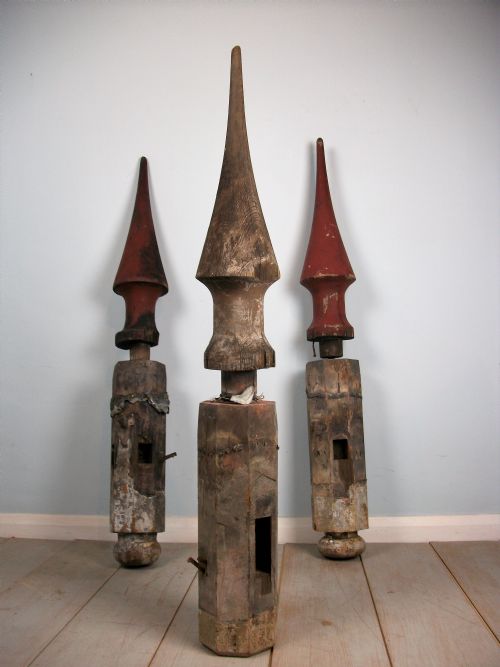



Architectural Salvage Finials
Architectural salvage finials bring distinct historical presence to a property, offering carved wood, cast iron, and stone elements from past centuries.
Architectural Salvage Finials
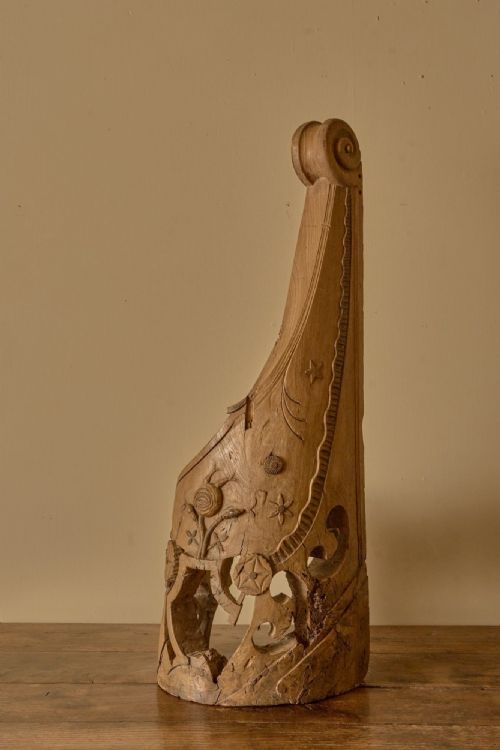
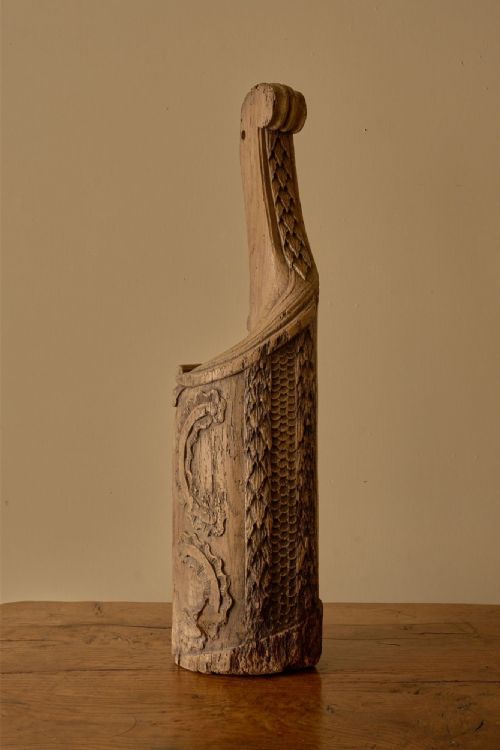
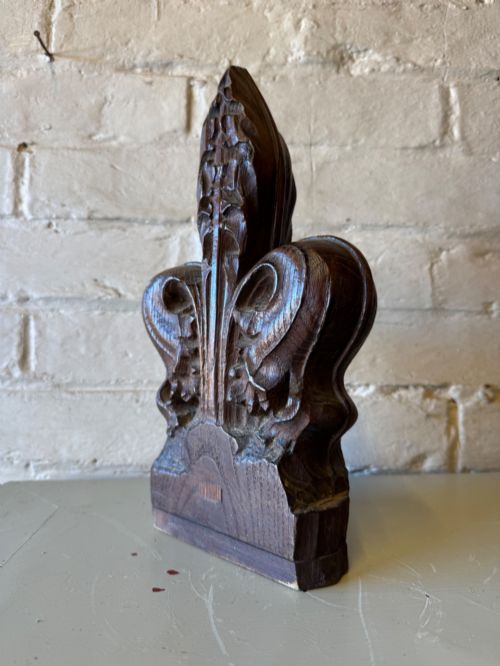
When buyers search for architectural salvage finials, they encounter ornamental rooftop, staircase, and gate components recovered from historic structures spanning the seventeenth to the nineteenth centuries. These pieces appear in diverse forms ranging from oak poppy head carvings to French château spire finials and Indian terracotta tent pole tops.
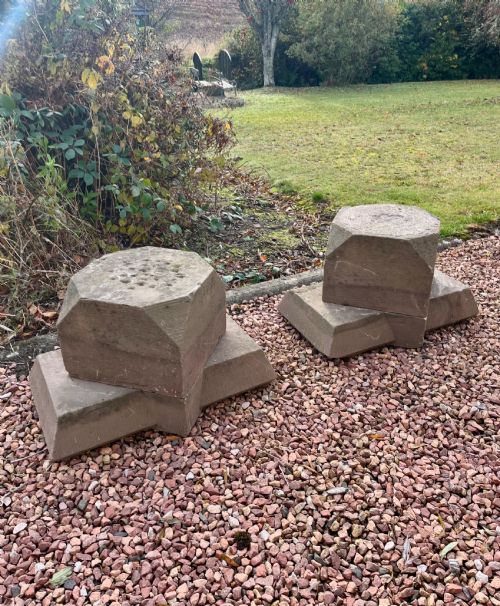
The versions most frequently met on this page include carved oak components from the eighteenth century alongside Victorian iron and brass examples. Items such as limestone Gothic pinnacles and Cornish granite pillar caps demonstrate the heavy stone elements available within this category.
The selection extends beyond traditional roof ornaments to encompass related architectural fragments like newel post finials, hitching posts, and decorative hardware with distinct terminal details. Each piece reflects the functional requirements and stylistic preferences of its original period, from Gothic revival to Indian folk art.
Materials and construction methods
The manufacture of these objects relies on traditional craftsmanship applied to durable materials such as oak, timber, cast iron, brass, terracotta, and stone. Wood components display hand carving techniques utilising seasoned timber, occasionally finished with pigment or polychrome paint.
Metal items incorporate casting and wrought iron techniques, producing robust structural and decorative elements like staircase finials and garden gate details. Stone pieces such as limestone and granite demonstrate precision masonry work suited to exterior exposure.
Architectural Salvage Finials Retail Price Guide 2026
Typical asking prices for architectural salvage finials among the pieces listed under this phrase on Sellingantiques today, from the lower quarter to the upper quarter. They describe what is for sale here now, not the wider market.
Assessing quality in salvaged finials
Quality in these items depends upon the crispness of the original carving and the integrity of the material after centuries of exposure. Finely detailed oak poppy heads or limestone pinnacles display superior sculptural depth compared to heavily weathered or eroded utilitarian pieces.
The preservation of original surface treatments, such as early polychrome paint or aged patination on brass and cast iron, elevates the standing of an item. Structural completeness, particularly in paired sets or larger architectural assemblies, distinguishes exceptional survivals from isolated fragments.
The Architectural Salvage Finials Glossary
- Finial
- An ornamental decorative feature placed at the apex of a roof, gable, canopy, or architectural structure. It serves to accentuate the vertical lines of a building.
- Poppy head
- A carved ornament, typically leaf or bud shaped, terminating the top of a bench end or newel post in Gothic architecture. This form derives from medieval ecclesiastical woodwork.
- Newel post
- The principal post at the foot or landing of a staircase supporting the handrail. Finials frequently cap these structural timber members.
- Pinnacle
- A relatively small architectural ornament that rises high above the roofs or towers of a building. These stone structures add weight and decorative finish.
- Polychrome paint
- Decoration consisting of several colours applied to wood or stone surfaces. Surviving layers indicate the original decorative scheme of an architectural element.
Architectural Salvage Finials: Frequently Asked Questions
What is an architectural finial used for?
These decorative elements terminate rooflines, gables, and structural posts to provide a distinct architectural silhouette.
Historically they marked the highest points of buildings, gates, and interior staircases to display craftsmanship.
How do I date an old finial?
Dating relies on identifying the material, tool marks, and prevailing stylistic influences such as Gothic revival or Jacobean carving.
Comparing the construction methods to established periods helps narrow down the century of manufacture.
Can these salvage pieces be installed outside?
Stone and cast iron variants withstand exterior placement well due to their weather-resistant material properties.
Wooden items require careful assessment of their timber condition and protective treatment if placed outdoors.
Are salvaged finials sold in pairs?
Listings include both single feature items and matched pairs originating from gates, pillars, or architectural facades.
Pairs are particularly common among gate ornaments and pillar caps.