



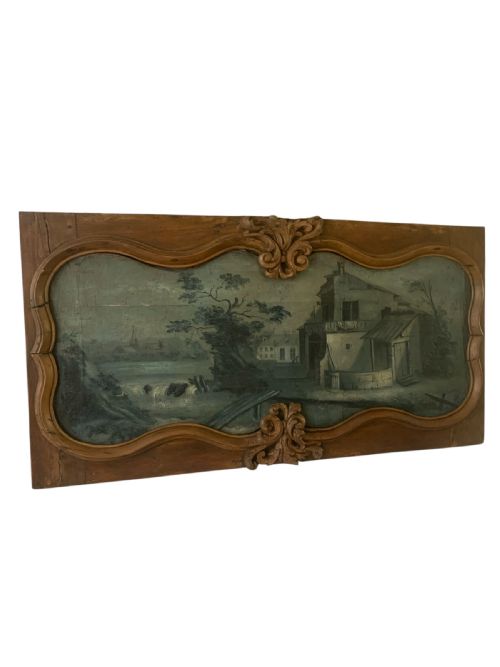
Architectural Oil Landscape
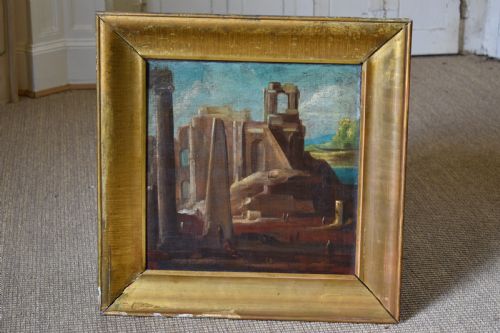
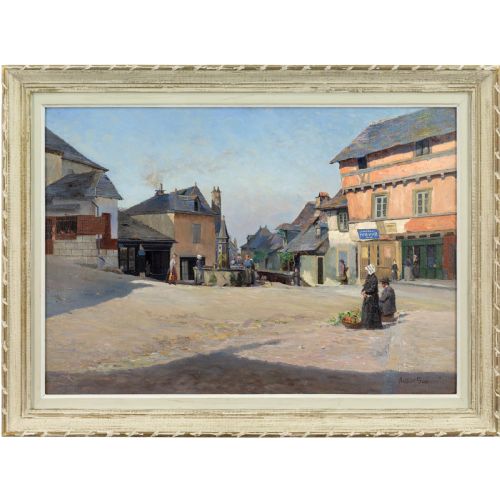
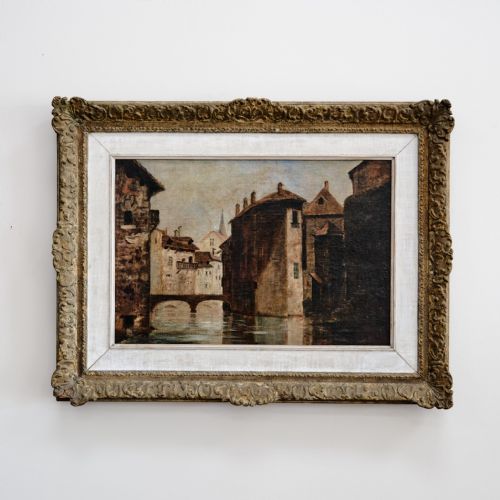
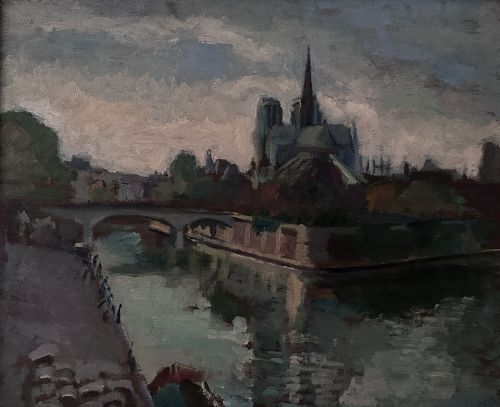
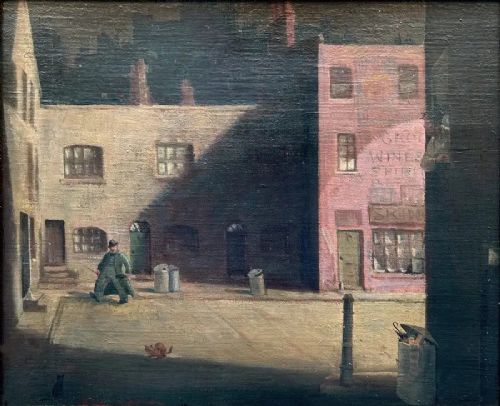
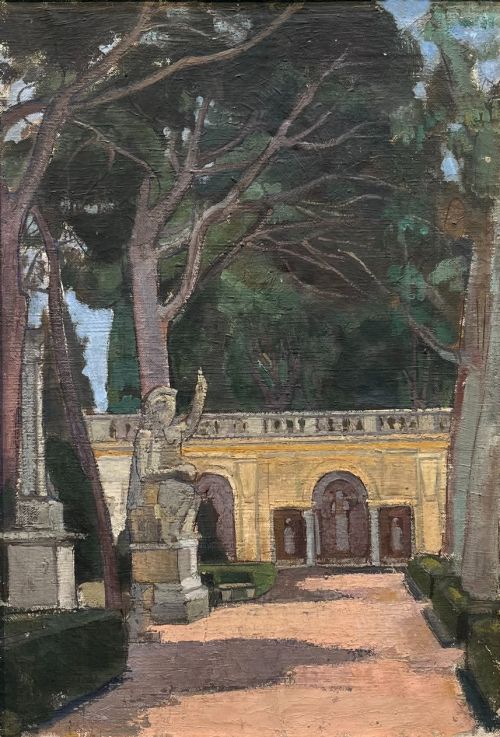
Architectural oil landscape works capture substantial buildings, town squares, and classical ruins rendered in pigment on canvas or panel.
Architectural Oil Landscape
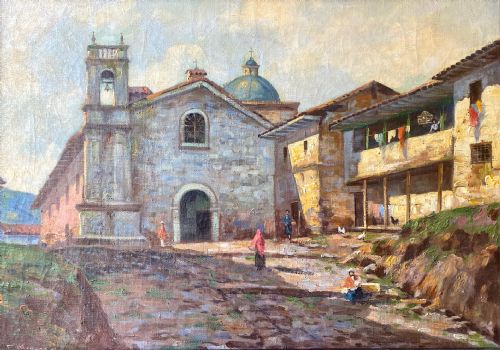
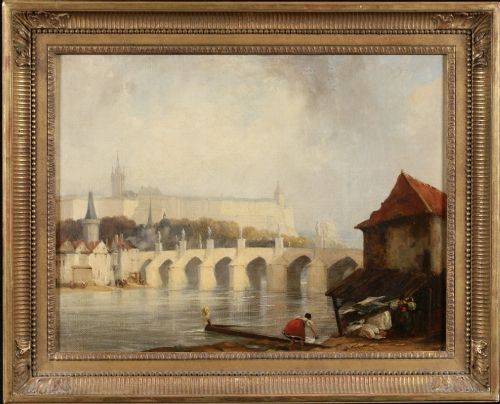
An architectural oil landscape depicts urban scenes, bridges, cathedrals, and classical ruins through the medium of oil paint. These works span from the seventeenth century through the mid-twentieth century, encompassing European and British schools.
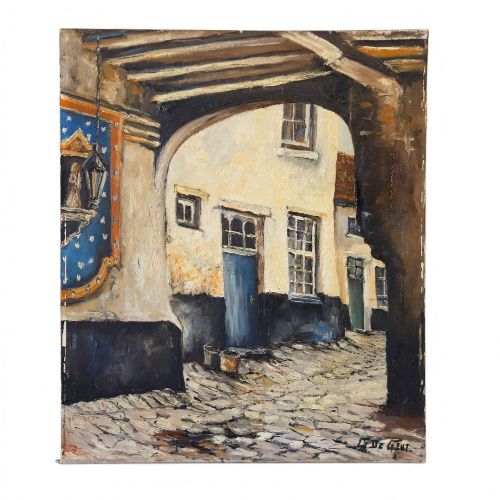
The buyer encounters canvases and boards depicting grand canals, continental street scenes, and industrial factories. Forms range from intimate sketches to large framed artworks intended for wall display.
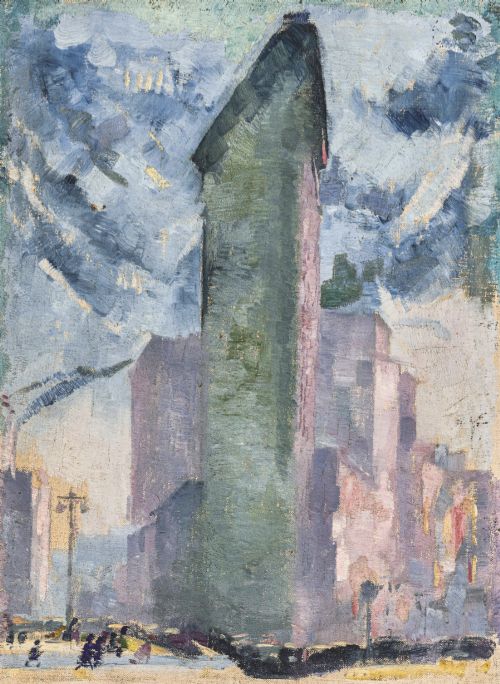
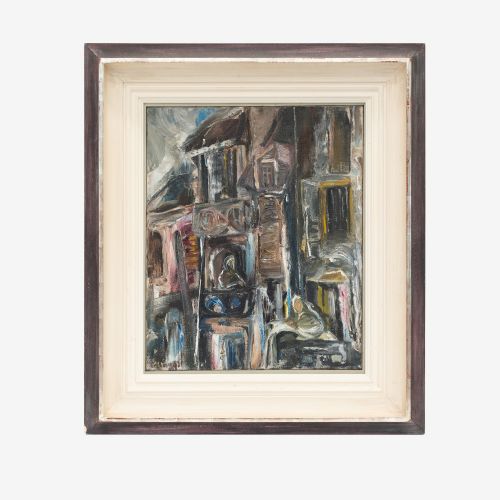
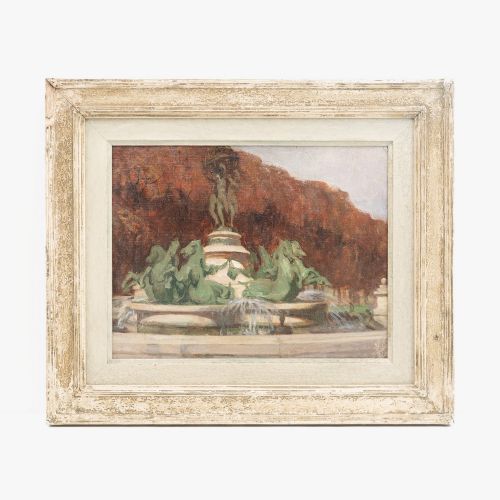
Nineteenth-century examples frequently feature French, Italian, and British subjects executed in impressionist or academic modes. Mid-century interpretations bring modernist and abstract compositions to the urban subject.
Materials and Technique
Artists utilised oil paint applied to woven canvas, wooden panels, or rigid board supports. Pigments were manipulated with brushes and palette knives to build texture, depth, and luminosity.
Many historical pieces retain their original wooden frames, often embellished with giltwood and gesso mouldings. The interplay of oil medium and ground material determines the physical longevity and surface character of each painting.
Listings feature works executed in oil on canvas, wood, and gesso across the nineteenth and twentieth centuries.
Judgement of Quality
Spatial perspective and draughtsmanship separate accomplished compositions from rigid topographical records. The handling of light and atmospheric perspective across masonry and stone surfaces dictates artistic merit.
The preservation of the original paint layer, stability of the support, and integrity of the period frame influence the standing of an individual canvas.
Arthur Gué·Francisco Sancha·Alfred Wolmark·Alexander Jamieson·Paul-Élie Gernez·Lilian Colbourn·Ron Folland·Caroline Burnett·Giovanni Paolo Panini·Claude Lorrain·Cornelis Christian Dommersen·Frederick Tully Lott·William George Meadows·Lewis J Wood
The Architectural Oil Landscape Glossary
- Oil on canvas
- A painting medium where pigments bound in drying oil are applied to stretched fabric. This combination allows for rich blending and varied surface textures.
- Gesso
- A plaster-like mixture applied to wooden panels or frames as a prepared surface for paint or gilding. It provides a smooth, stable base for decorative details.
- Impasto
- Paint applied thickly to a canvas, standing out in relief from the surface. This technique creates a tangible sense of three-dimensional depth and physical presence.
- Panel
- A rigid wooden board utilised as a support for painting prior to the widespread adoption of canvas. It offers a stable, smooth ground for fine detail.
- Post-Impressionism
- An art movement extending beyond impressionist methods to emphasise geometric forms and expressive use of colour. Artists manipulate perspective to evoke emotional resonance.
Architectural Oil Landscape: Frequently Asked Questions
What defines an architectural oil landscape?
These works focus primarily on human-made structures, including urban streets, civic squares, bridges, and ancient ruins, set within an outdoor environment.
Painters utilise oil pigments to capture the play of light upon stone, brick, and mortar across various historical periods.
How do I date an antique oil painting?
Dating relies upon stylistic markers, costume details, the preparation of the canvas or panel, and the construction methods of the frame.
Pigment analysis and signatures provide further context regarding the active period of the artist.
How should I display these paintings at home?
Position canvases away from direct sunlight and fluctuating heat sources to protect the oil pigments and wooden supports.
Ensure the wall fixings safely accommodate the weight of the framed artwork and any heavy gesso ornamentation.
What is the difference between canvas and board supports?
Canvas consists of woven fabric stretched across a wooden frame, offering slight flexibility and a textured surface weave.
Board and panel supports provide a completely rigid foundation, which prevents the cracking sometimes associated with older stretched fabrics.