



Architectural Door Pediment
An architectural door pediment crowns an entrance with substance, bringing historic carved timber and classical presence straight into a modern interior.
Architectural Door Pediment
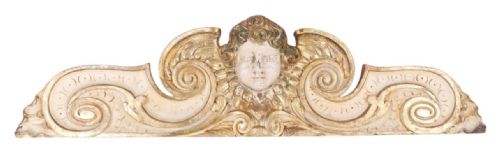
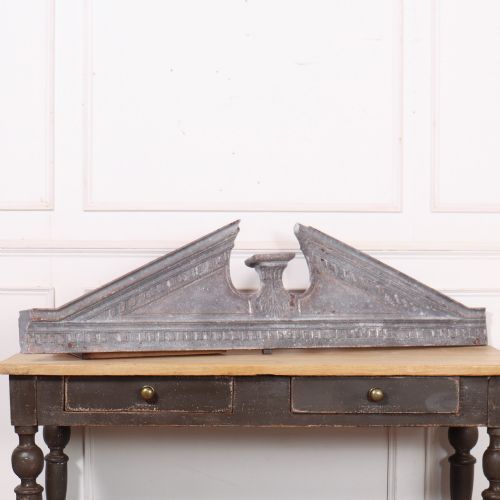
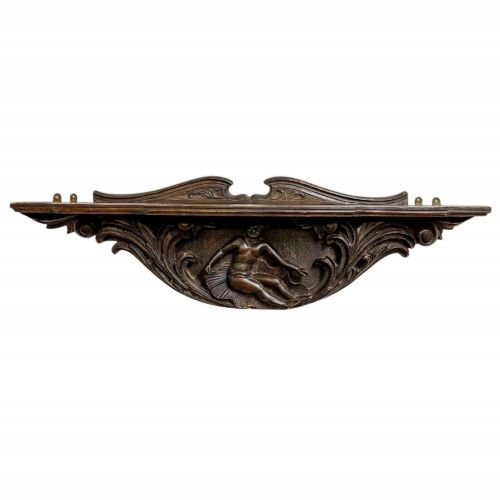
An architectural door pediment is a decorative crown positioned above a doorway, window, or display shelving to add structural weight and visual interest. These pieces function as architectural salvage, repurposed wall reliefs, or overdoor panels salvaged from historic interiors.
Buyers will encounter French chateau examples, 17th century English baroque items, and 19th century revival pieces. Forms range from simple carved wooden pelmets to expansive overdoor panels featuring figural carvings and integrated display shelves.
Oak dominates the selection, alongside mahogany, painted surfaces, and gilded details. Pieces extend from French provincial work to grand neoclassical and Victorian gothic expressions.
Materials and construction methods
Carpenters and carvers shaped these pieces using solid timbers such as oak, pollard oak, and mahogany, often applying gesso and gold leaf to highlight decorative motifs. Traditional joinery and hand-carving techniques defined the creation of each panel, pelmet, and pediment.
Surfaces received various finishes including natural polished wood, intricate hand-painted layers, or applied metallic leaf. Zinc and lead appear alongside timber components in heavier architectural contexts, reflecting the functional demands of exterior and interior salvage.
Architectural Door Pediment Retail Price Guide 2026
Typical asking prices for architectural door pediment among the pieces listed under this phrase on Sellingantiques today, from the lower quarter to the upper quarter. They describe what is for sale here now, not the wider market.
Listings feature items spanning the seventeenth, nineteenth, and early twentieth centuries, constructed from oak, mahogany, and painted wood.
Evaluating quality and craftsmanship
Quality rests upon the depth, sharpness, and authority of the hand carving. Pieces featuring fluid figural work, such as cherubs or bespoke classical motifs, demonstrate superior artistic ambition compared to repetitive machine-milled mouldings.
The selection of timber significantly impacts the character of the piece, with figured pollard oak and dense 17th century oak commanding higher regard. Original surface treatments, whether historic paint or intact gold leaf, preserve the authentic integrity of the object.
Edward Pearce
The Architectural Door Pediment Glossary
- Pediment
- A triangular or ornamental architectural crown placed above doors, windows, or facades. This element draws the eye upward and establishes the decorative vocabulary of a room.
- Overdoor
- A decorative panel or carved relief fitted directly above a doorframe. In historic homes, these served to aggrandise important transitional spaces.
- Pelmet
- A structural framework or decorative board placed above a window or doorway to conceal fixtures. These items often double as ornate carved pelmets and pediments in French interiors.
- Gesso
- A plaster-like mixture applied to wood as a base for painting or gilding. It provides a smooth ground for delicate surface ornamentation.
- Architectural Salvage
- Building components rescued from demolition or renovation for reuse in interior design. This category includes panels, pediments, and structural elements.
Architectural Door Pediment: Frequently Asked Questions
How were architectural door pediments used?
These pieces were originally installed above interior or exterior doorways to frame an entrance with classical dignity.
Today, collectors mount them over internal doors, above fireplaces, or utilise them as standalone wall reliefs and decorative wall shelves.
How do I hang a heavy wooden pediment?
Due to their solid timber construction, these pediments require secure fixing directly into wall studs or masonry.
Professional wall brackets or heavy-duty french cleats provide the necessary support for safe display.
How do I date an antique pediment?
Dating relies on identifying the prevailing style, such as 17th century baroque, French chateau, or Victorian revival, alongside tool marks on the timber.
Examining the wood species, such as pollard oak or mahogany, also helps narrow the period of origin.