





Architectural Corbel Supports
Architectural corbel supports are structural or decorative projections that anchor weight, and you will find substantial carved wooden, cast iron, and plaster examples ready for interior use.
Architectural Corbel Supports
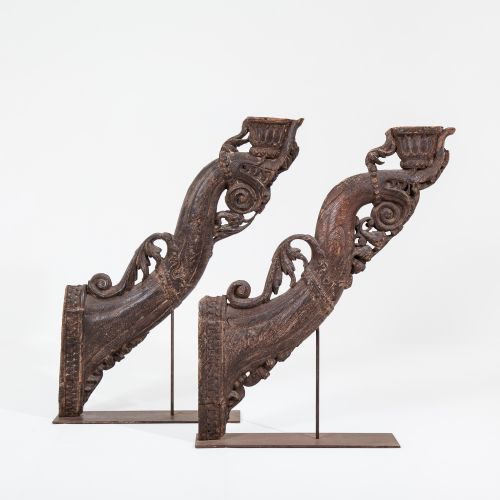
Architectural corbel supports emerge across domestic and institutional interiors to bear the heavy load of shelves, beams, or display ledges. When you search for architectural corbel supports, you meet solid oak, walnut, pine, cast iron, wrought iron, stone, and plaster brackets shaped for functional weight-bearing or sculptural ornament. These salvage pieces span centuries, originating from British, European, and Asian workshops.
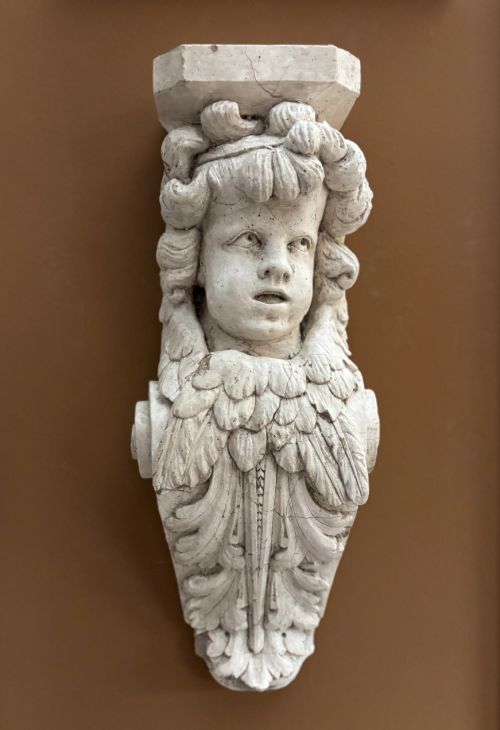
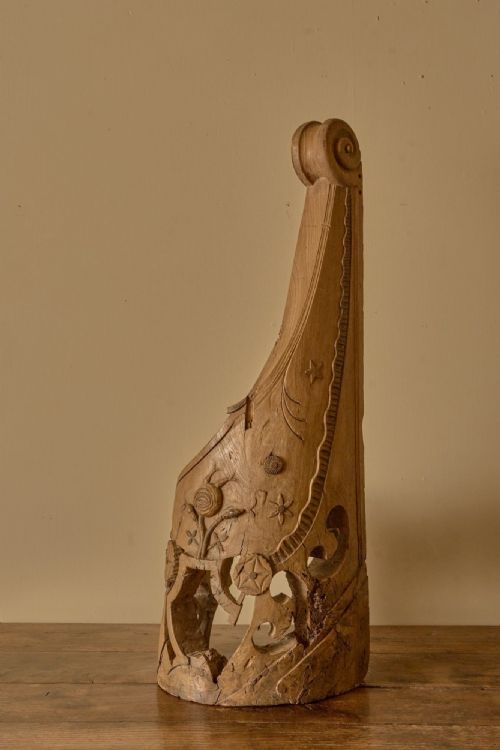
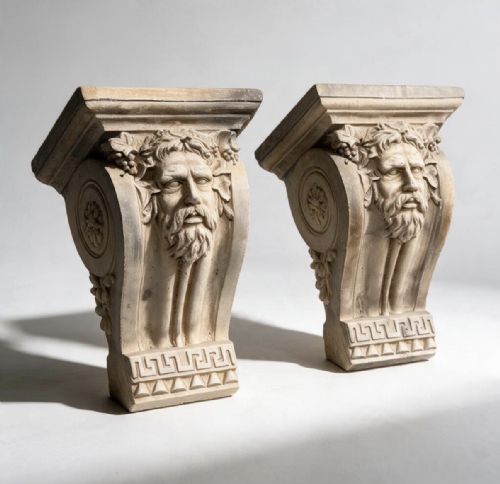
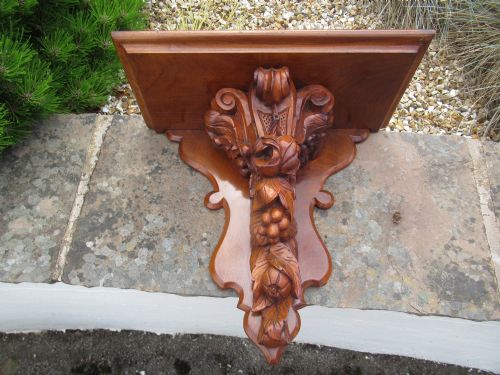
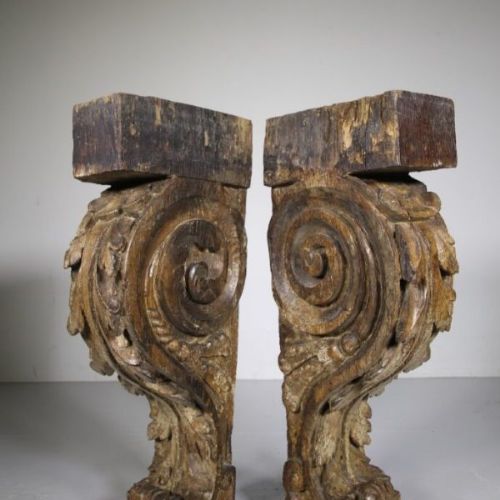
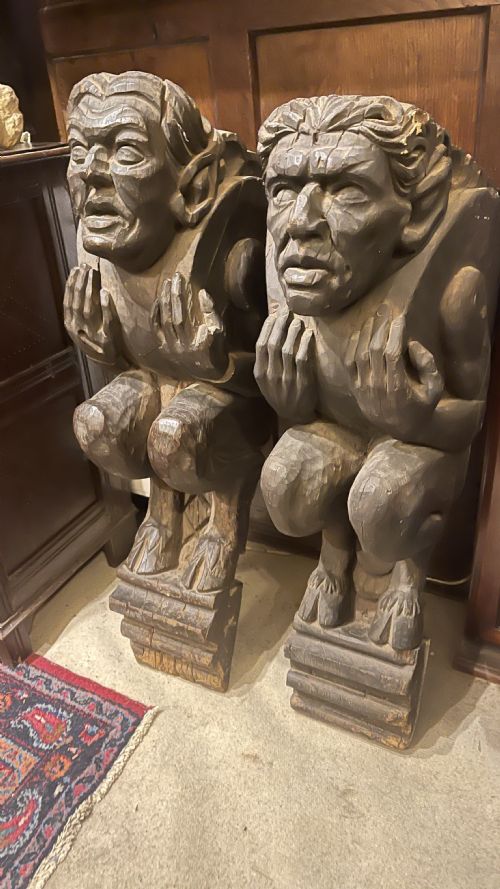
The inventory on this page leans heavily toward pairs of carved wooden brackets and heavy metal shelf supports. You encounter large 17th century oak building brackets, Georgian carved oak specimens, Victorian walnut display brackets, and 18th century French plaster corbels. Some items function as simple wrought iron shelf brackets from the early twentieth century, while others display figural elements such as putti or traditional Chinese carving.
How they were made
Makers shaped these supports using traditional hand-carving techniques on dense timbers like oak, walnut, and pine. Craftspeople removed material with chisels and gouges to build high-relief foliate or figural forms, leaving tool marks visible on the unpolished timber surfaces of earlier centuries.
Metal versions rely on foundry casting and blacksmithing methods. Heavy cast iron and bronze shelf brackets emerged from mould pours in the industrial era, while pairs of painted wrought iron brackets show the hammer blows and scroll-bending work of the forge.
Architectural Corbel Supports Retail Price Guide 2026
Typical asking prices for architectural corbel supports among the pieces listed under this phrase on Sellingantiques today, from the lower quarter to the upper quarter. They describe what is for sale here now, not the wider market.
Materials span natural hardwoods, cast and wrought metals, moulded plaster, and stone, originating from British, European, and Asian contexts.
What varies in quality
Material density and original surface integrity dictate the standing of a piece. Solid hardwoods like oak and walnut retain their structural integrity better than soft composition materials, while untouched early paint layers hold more historical weight than modern overpainting.
The Architectural Corbel Supports Glossary
- Corbel
- A structural piece of stone, wood, or metal jutting from a wall to carry a superincumbent weight. These architectural supports often transition from wall to beam.
- Putto
- A figure of a small infant, frequently winged, carved into decorative woodwork or moulded in plaster. These motifs appear regularly on continental European wall corbels.
- Architectural Salvage
- Building elements rescued from structures undergoing demolition or alteration. This category covers wall brackets, corbels, and shelf supports removed for reuse.
- Wrought Iron
- Iron that has been heated and worked with tools by a blacksmith. This material yields durable, pliable shelf brackets with distinctive hand-forged scrollwork.
Architectural Corbel Supports: Frequently Asked Questions
Can these brackets support heavy wooden shelves?
Many cast iron and large wooden brackets possess the structural mass required to carry heavy loads if properly anchored to wall studs. Matching the weight of the bracket to the intended shelf load ensures safe installation.
Heavier pairs from the industrial and Georgian periods offer greater weight-bearing capacity than decorative Victorian display brackets designed primarily for visual effect.
How do I date an antique wooden corbel?
Dating relies on observing tool marks, timber shrinkage, and stylistic conventions associated with specific centuries. Hand-adzed oak and deep-relief carving point to earlier periods, whereas machine-sawn pine suggests nineteenth-century production.
Comparing the timber grain and joinery style with documented architectural elements helps narrow down the origin.
Are painted finishes on these pieces original?
Many iron and wooden brackets carry multiple layers of historic paint accumulated through decades of interior use. Inspecting the surface under magnification reveals whether layers show genuine age-related crazing.
Preserving original or early surface paint maintains the historical character of the salvaged architectural piece.
How should I mount antique corbels on modern walls?
Mounting requires securing the backplate or fixing points directly into structural wall timbers or masonry using appropriate fasteners. The weight of heavy cast iron or solid oak corbels demands robust load-bearing fixings.
Consulting a professional installer ensures the wall structure safely bears both the weight of the bracket and the load placed upon it.