




Architectural Chest of Drawers
An architectural chest of drawers brings structural dignity and layered storage to a room, built with robust proportions and disciplined form.
Architectural Chest of Drawers
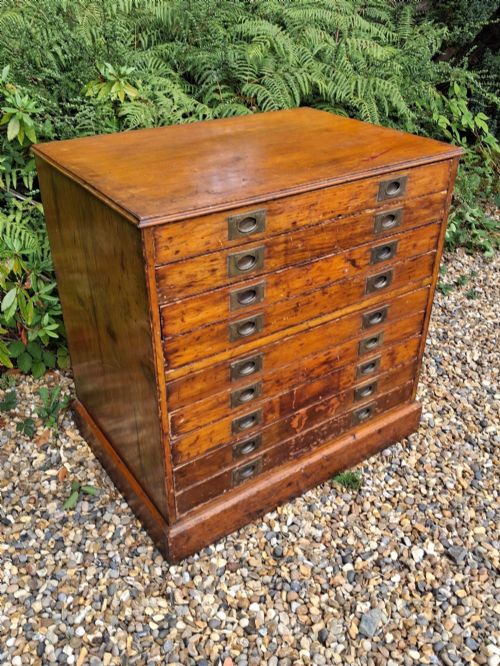
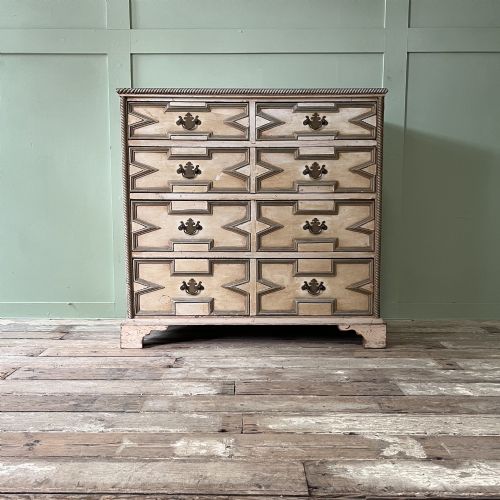
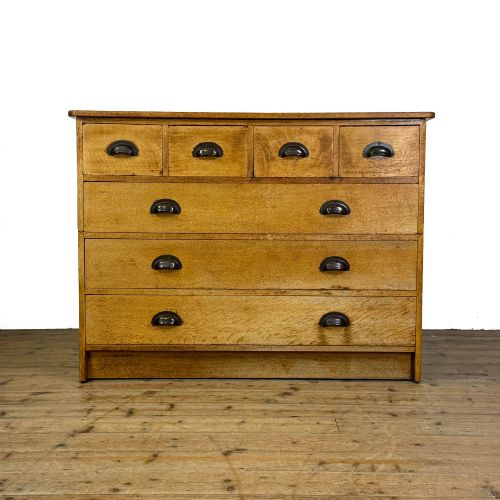
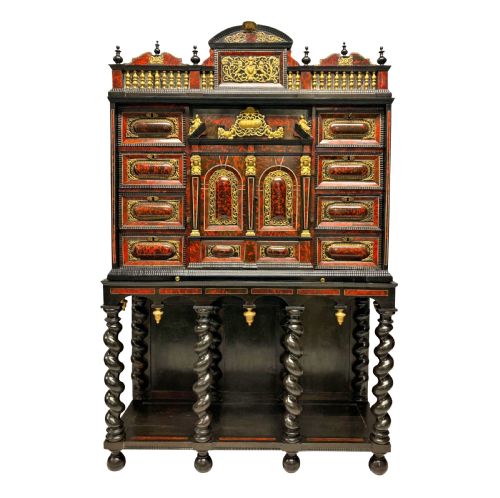
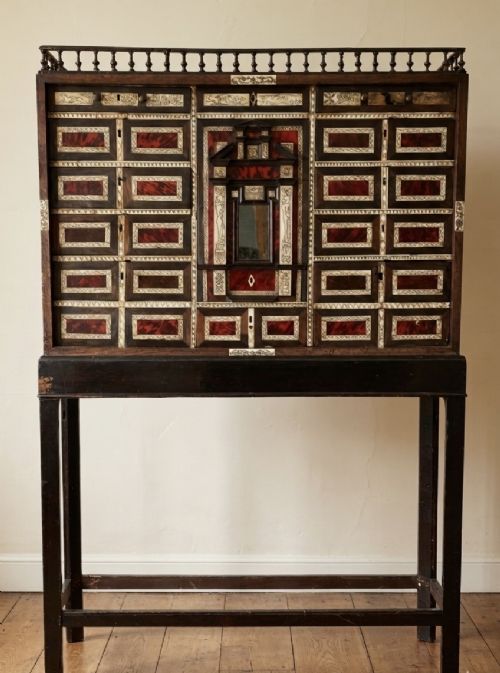
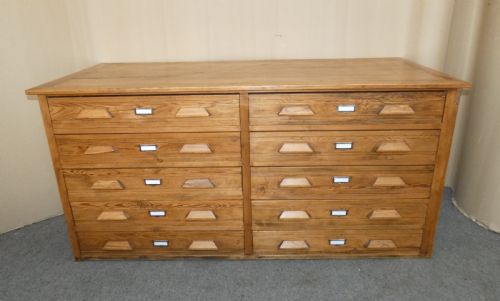
When you search for an architectural chest of drawers, you encounter pieces that borrow their vocabulary from classical buildings, featuring column details, heavy cornices, and stepped drawers. The selection on this page ranges from utilitarian plan chests and haberdasher's drawers to elaborate seventeenth-century Flemish cabinets on stands and Empire revival chests.
The forms span multiple centuries, taking shape as pine plan chests from the early twentieth century, pitch pine collectors' cabinets, and seventeenth-century ebony and tortoiseshell pieces. You are equally likely to meet a robust Edwardian painted chest of drawers or a vintage pale oak plan chest designed for heavy storage.
The origins stretch from British workshops of the Edwardian and Arts and Crafts periods back to continental seventeenth-century production. These pieces serve practical filing and storage functions while maintaining a heavy, monumental presence in an interior.
How they were made
The construction relies heavily on native and imported timbers, utilising pine, oak, birch, walnut, and mahogany alongside structural metal and brass hardware. Seventeenth-century examples incorporate specialised surface materials such as tortoiseshell, bone, and ebony applied to carcases.
Joinery methods range from the heavy framing required for seventeenth-century cabinets on stands to the functional utility joints of twentieth-century plan chests and banks of drawers. Paint finishes also appear, particularly on Edwardian pieces, adding surface depth to the wooden structures.
Architectural Chest of Drawers Retail Price Guide 2026
Typical asking prices for architectural chest of drawers among the pieces listed under this phrase on Sellingantiques today, from the lower quarter to the upper quarter. They describe what is for sale here now, not the wider market.
Listings feature oak, pine, birch, mahogany, walnut, tortoiseshell, ebony, bone, brass, and metal.
What varies in quality
Quality reveals itself in the architectural coherence of the piece, where applied mouldings, cornices, and base plinths align with the proportions of classical design rather than feeling tacked on. The integrity of specialised surface treatments, such as tortoiseshell and ebony veneering on earlier cabinets, separates standard joinery from masterwork production.
The choice of primary timber dictates character and durability, moving from utilitarian pine and pitch pine to finely figured walnut and mahogany. Mechanism performance in drawers, whether deep plan chest slides or smaller collector cabinet trays, reflects the original workshop standards.
Sir Clough Williams-Ellis
The Architectural Chest of Drawers Glossary
- Cabinet on stand
- A freestanding storage cabinet raised upon a separate base or frame. This form lifts the main body off the floor, often utilising turned legs or stretchers.
- Plan chest
- A wide, shallow multi-drawer cabinet designed originally for architectural drawings and maps. These pieces provide large horizontal surfaces and shallow internal depths.
- Collectors cabinet
- A specialised storage unit containing numerous small drawers for organising specimens or small objects. They frequently feature secure locking doors or paneled fronts.
- Cornice
- The decorative ornamental moulding running round the top edge of a piece of furniture. It crowns the architectural structure, mirroring building design.
Architectural Chest of Drawers: Frequently Asked Questions
What defines an architectural chest of drawers?
These pieces draw inspiration from classical buildings, incorporating architectural elements like columns, dentil mouldings, stepped drawer arrangements, and heavy cornices into their wooden carcases.
They combine monumental visual weight with practical drawer storage, taking forms from seventeenth-century tabletop cabinets to twentieth-century utility plan chests.
How were plan chests used originally?
Draftsmen, architects, and cartographers utilised plan chests to store large, fragile paper documents flat without folding them. The wide, shallow drawers prevented curling and allowed easy sorting.
Today, buyers repurpose these heavy wooden units for contemporary storage, art supplies, or as statement furniture in domestic spaces.
How do I date an architectural cabinet?
Dating relies on examining the timber species, construction techniques, and decorative styles visible across the piece. Seventeenth-century examples use tortoiseshell, ebony, and bone, while twentieth-century versions favour pine and oak.
Stylistic cues such as Edwardian paintwork or Arts and Crafts framing provide further chronological markers for the piece's origin.
Where do these cabinets fit in a home?
Their strong vertical or horizontal presence suits studies, living rooms, and large hallways where their functional drawers provide practical organisation. They anchor a room visually, acting as focal points due to their disciplined proportions.
Pairing them with minimal modern interiors allows the historical woods and architectural details to stand out.