




Architectural Ceramics
Architectural ceramics bring structure and ornament together, offering substantial terracotta and glazed earthenware shaped for buildings, gardens and interiors.
Architectural Ceramics
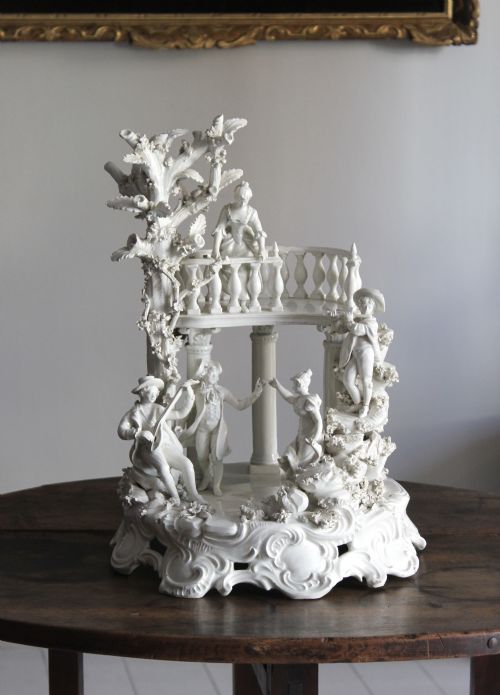
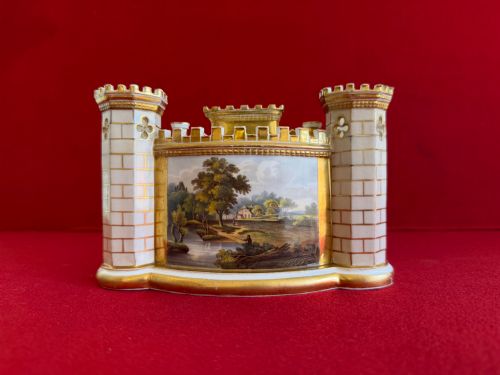
Architectural ceramics encompass functional and decorative fired clay elements designed for buildings, gardens and interior schemes. When you examine this phrase, you find items ranging from robust nineteenth-century chimney pots and garden lions to intricate tiles and tent pole tops.
The selections span significant historical periods, featuring nineteenth-century terracotta pieces alongside older items like Song or Yuan dynasty models. You encounter forms meant to weather outdoors as well as glazed tiles intended for interior placement.
Materials and methods
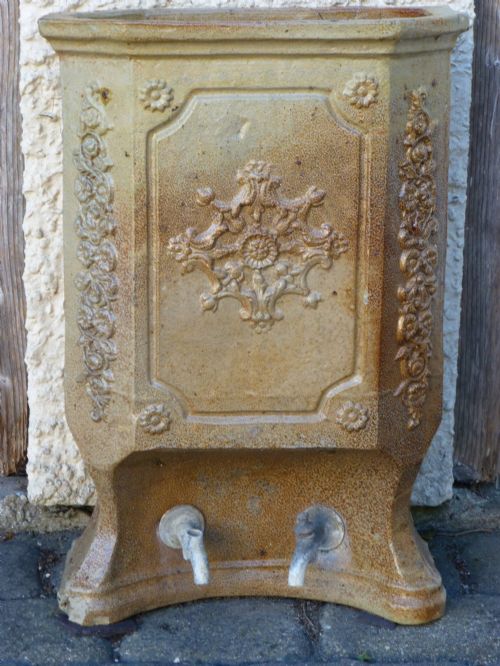
Makers utilised durable terracotta and earthenware, firing the clay to withstand structural use and exposure to the elements. Salt glazing and applied pigments provided protective surfaces and colour to stoneware and pottery.
Moulding and hand-forming techniques allowed artisans to shape complex figures like lions, masks and finials with high levels of detail. Glazes were applied to porcelain and ceramic surfaces to achieve smooth finishes and decorative effects.
Architectural Ceramics Retail Price Guide 2026
Typical asking prices for architectural ceramics among the pieces listed under this phrase on Sellingantiques today, from the lower quarter to the upper quarter. They describe what is for sale here now, not the wider market.
Severe terracotta lions keep a silent, unchanging watch over gardens, refusing to chase stray cats despite their fierce expressions.
Assessing quality
Quality rests in the crispness of the modelling and the depth of the fired finish, whether on a large terracotta lion or a glazed tile. Finer examples show deliberate attention to proportion and clean lines in the clay.
The resilience of the material and the preservation of original surfaces, glazes or pigments distinguish superior works. Pieces that retain their intended structural integrity and clear stylistic markers demonstrate greater execution.
The Architectural Ceramics Glossary
- Terracotta
- A hard-fired, unglazed or glazed clay of a brownish-red colour. It served extensively for large garden ornaments, chimney pots and structural figures.
- Salt glaze
- A glassy coating formed by throwing common salt into the kiln during the high-temperature phase of firing. This created a durable, slightly textured finish on stoneware.
- Qingbai
- A Chinese porcelain type characterised by a pale greenish-blue translucent glaze. It appeared on early models and ceramic vessels.
- Finial
- A decorative ornament fixed to the apex of a roof, gable or tent pole. These elements provided a finished, architectural accent to structures.
Architectural Ceramics: Frequently Asked Questions
What are architectural ceramics used for?
These pieces served both structural and decorative roles in buildings and landscapes. Items like chimney pots, finials and tiles were built directly into masonry or roofs, while terracotta lions and lanterns decorated gardens.
Interior versions, such as tiles and door hardware, added decorative detail to rooms. Their robust construction allowed them to function in daily architectural use.
How do I identify nineteenth-century terracotta?
Nineteenth-century terracotta often displays deep red or orange clay bodies shaped into robust garden ornaments, architectural masks and large figures. Examining the weight, surface weathering and casting seams helps determine the period.
Makers utilised durable firing methods suited for outdoor display, resulting in solid pieces designed to endure the weather.
Where should I place garden terracotta?
Garden terracotta pieces like lions, lanterns and chimney pots suit outdoor settings where they can withstand natural weathering. Placing them on stable stone or gravel bases ensures proper drainage and prevents moisture accumulation.
Protecting unglazed clay from severe frost prevents cracking during colder months. Regular gentle cleaning maintains the surface texture without damaging the fired material.
How do I care for glazed tiles?
Glazed tiles require gentle cleaning with soft cloths and mild solutions to preserve the fired surface and any applied pigments. Avoid abrasive materials that could scratch the glaze or ceramic body.
Displaying them away from high-moisture areas protects the underlying fabric. Secure mounting ensures these decorative elements remain undamaged.