








Arched Top Painted Mirror
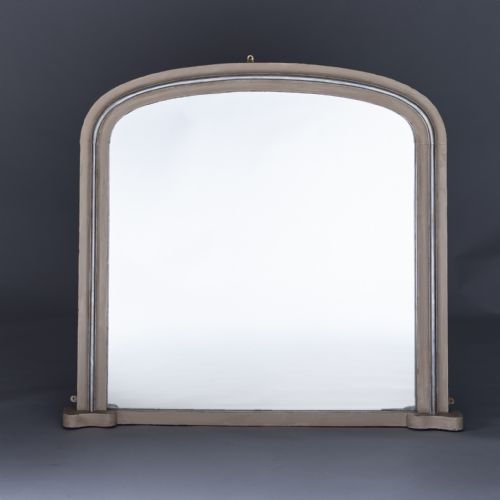
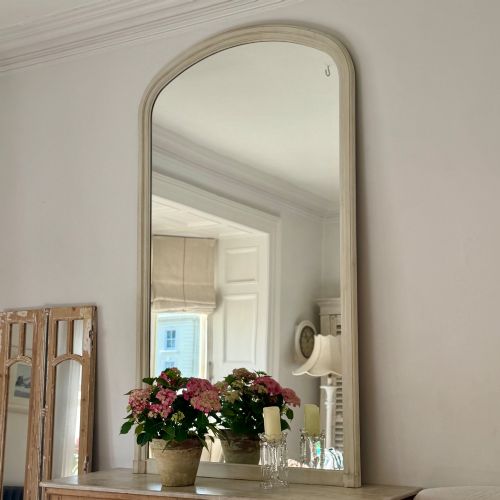
An arched top painted mirror brings architectural elegance and period character to a room, drawing the eye upwards with its curved frame.
Arched Top Painted Mirror
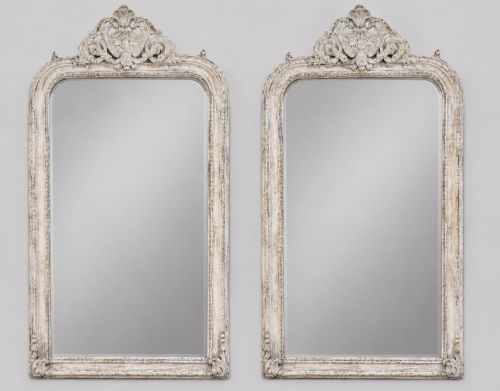
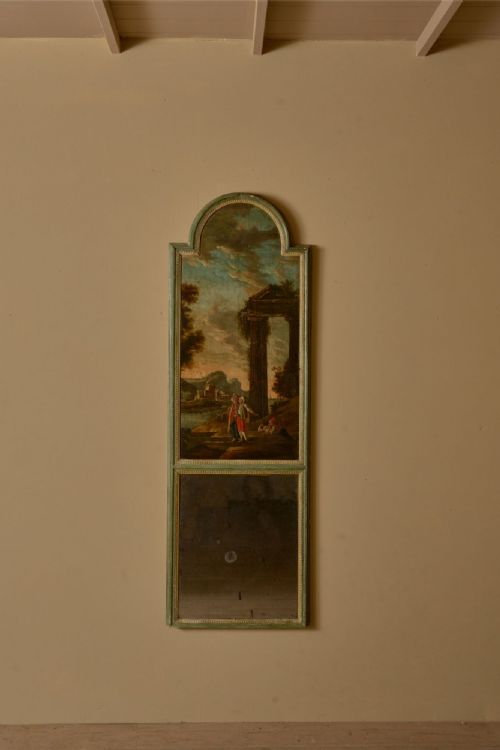
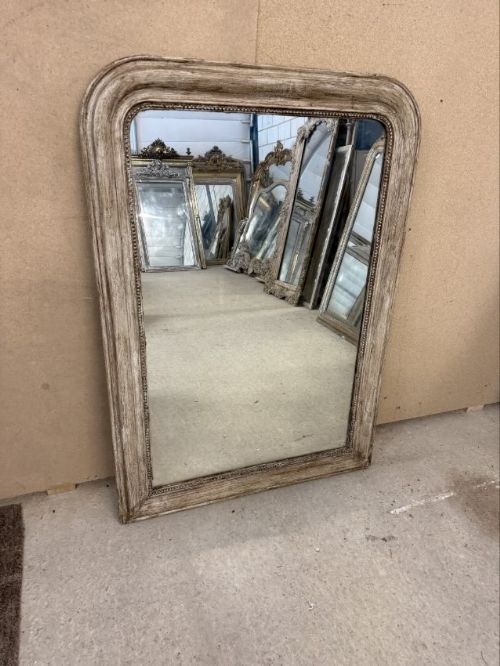
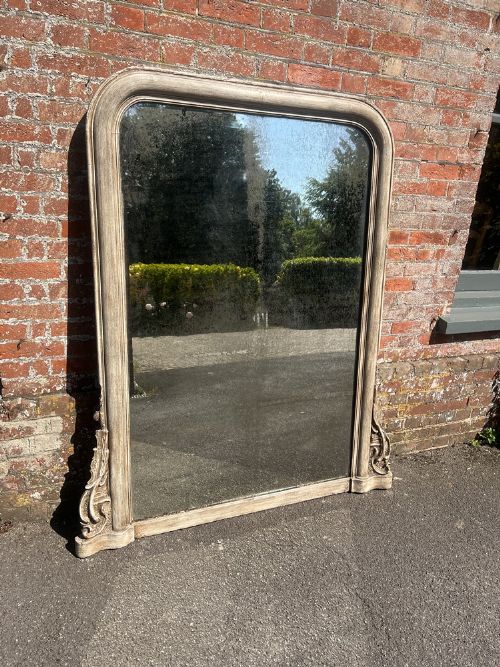
An arched top painted mirror typically takes the form of a substantial wall mirror, overmantel mirror, or trumeau mirror designed to anchor a room's interior scheme. When exploring an arched top painted mirror on this page, buyers frequently encounter pieces originating from French and English workshops spanning the eighteenth and nineteenth centuries.
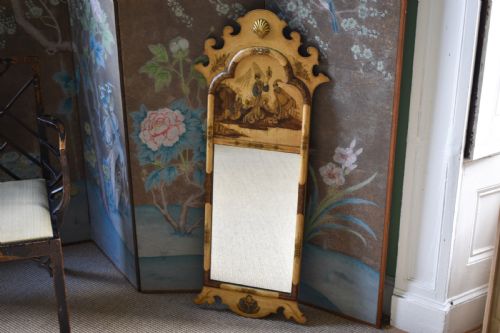
The selection ranges from tall trumeau panels to expansive overmantel mirrors built to sit above fireplace surrounds. Period interpretations vary from Louis Philippe and Louis XV designs to Victorian creations and Queen Anne style Chinoiserie pieces.
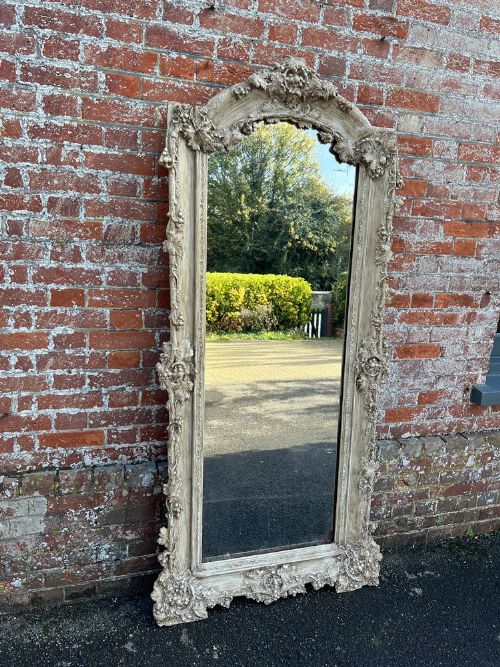
Makers often shaped these frames from carved wood and gesso before applying layers of paint, gold leaf, or parcel-silvering. Such mirrors served both a practical reflective purpose and a decorative function in period drawing rooms and boudoirs.
Materials and construction methods
Artisans constructed these frames primarily using carved wood, applying layers of gesso to build up intricate surface details and mouldings around the curved arch. This combination provided a stable substrate capable of holding crisp decorative profiles before the final decorative treatments were applied.
Surfaces received finishes of paint, gold leaf, or partial silvering to achieve the desired aesthetic. Mirror glass was then fitted into the rebate, secured behind the heavy timber and gesso frame.
Arched Top Painted Mirror Retail Price Guide 2026
Typical asking prices for arched top painted mirror among the pieces listed under this phrase on Sellingantiques today, from the lower quarter to the upper quarter. They describe what is for sale here now, not the wider market.
The listings feature pieces spanning the eighteenth century through to nineteen-ten, encompassing Georgian, Victorian, and French Chateau styles.
Distinctions in craftsmanship
Quality reveals itself in the depth and precision of the carved wood and the crisp application of the gesso ornament beneath the paint layers. Superior examples display harmonious proportions where the curve of the arch balances the mass of the frame.
The integrity of the painted surface and the retention of original gilding or silvering contribute significantly to a piece's standing. Finer mirrors maintain structural cohesion in their heavy timber joints, particularly across large overmantel formats.
The Arched Top Painted Mirror Glossary
- Trumeau mirror
- A decorative mirror designed to fit within a specific architectural wall panel or above a fireplace, often incorporating painted or carved scenes above the glass.
- Overmantel mirror
- A wide mirror specifically proportioned to hang on the wall directly above a mantelpiece or fireplace surround.
- Gesso
- A plaster-like mixture applied to carved wood frames to create a smooth surface for painting or gilding intricate relief details.
- Louis Philippe
- A nineteenth-century French style characterised by understated elegance, gentle curves, and minimal ornamentation compared to earlier extravagant reigns.
- Parcel-silvered
- A finishing technique where portions of a frame are treated with silver leaf, contrasting with painted or gilded areas.
Arched Top Painted Mirror: Frequently Asked Questions
Where should an arched top painted mirror hang?
These mirrors traditionally find their place above a fireplace mantel or mounted centrally on a principal wall in a reception room. Their curved top draws vertical attention, making them effective for enhancing perceived ceiling height.
Positioning them opposite a window also helps to maximise natural light distribution within the space.
How do I care for antique glass and painted frames?
Dusting the carved wood and gesso frame regularly with a soft, dry brush prevents particulate accumulation in the recessed mouldings. Avoid commercial liquid cleaners on painted or gilded surfaces to protect the historic finish.
Glass panels should be cleaned sparingly using a microfibre cloth and a neutral cleaner applied to the cloth rather than directly to the mirror.
What distinguishes French nineteenth-century mirrors from English ones?
French examples from this era frequently embrace Louis Philippe or Louis XV styling, showcasing flowing carved wood and gesso frames with soft painted or gilded finishes. They often lean towards taller proportions designed for formal salons.
English counterparts in the selection often manifest as robust overmantel mirrors or incorporate distinct regional decorative movements like Victorian sensibilities or Queen Anne revival styles.
Are these mirrors heavy to hang?
Due to their solid wood construction, gesso detailing, and mirror glass, these pieces carry substantial weight. Secure wall fixings into structural studs or masonry are essential for safe installation.
Professional mounting is recommended to properly support the load of large overmantel and trumeau formats.