

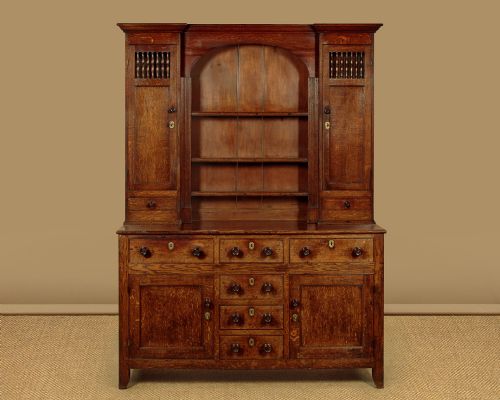
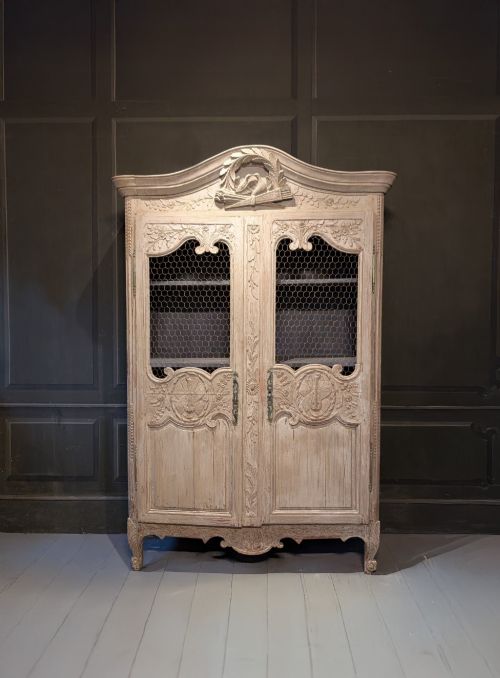
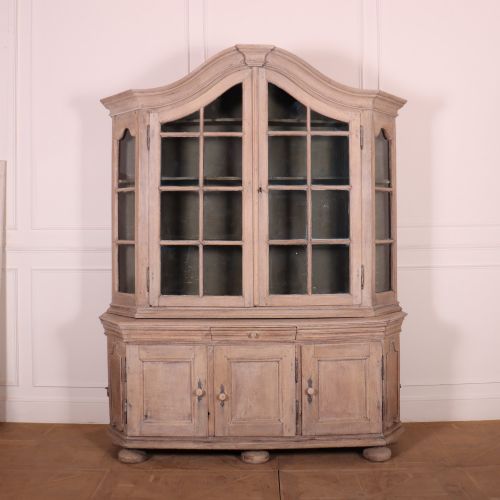
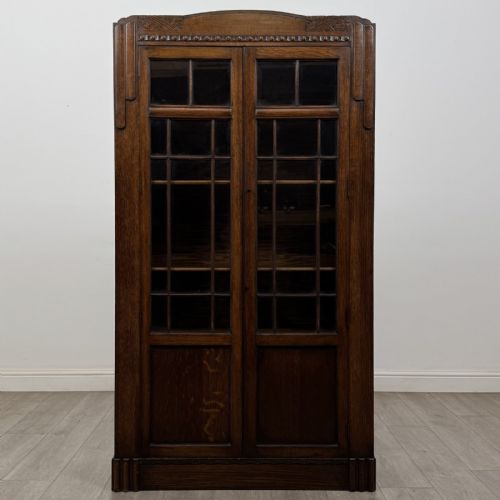
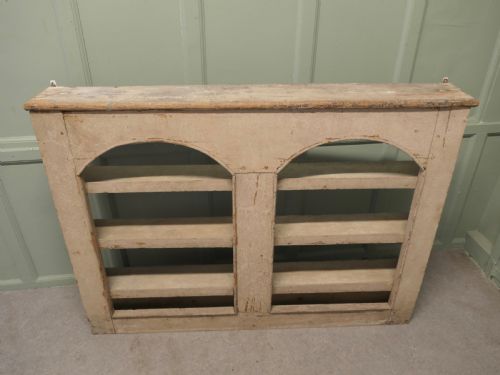
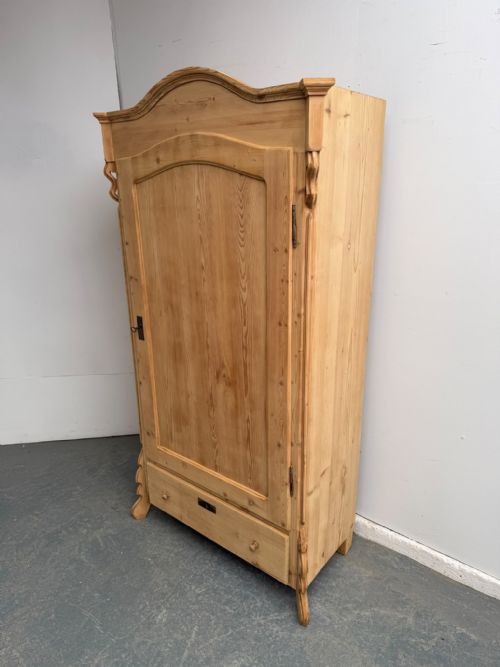
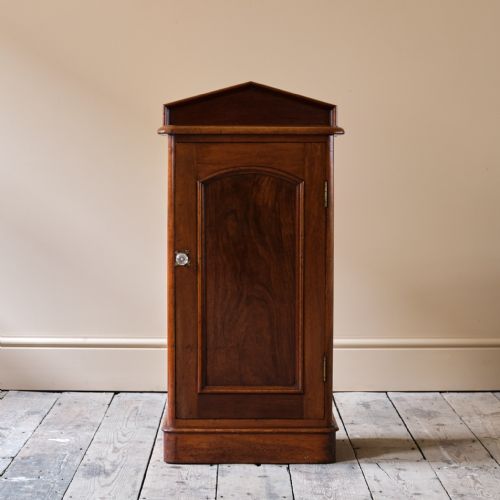
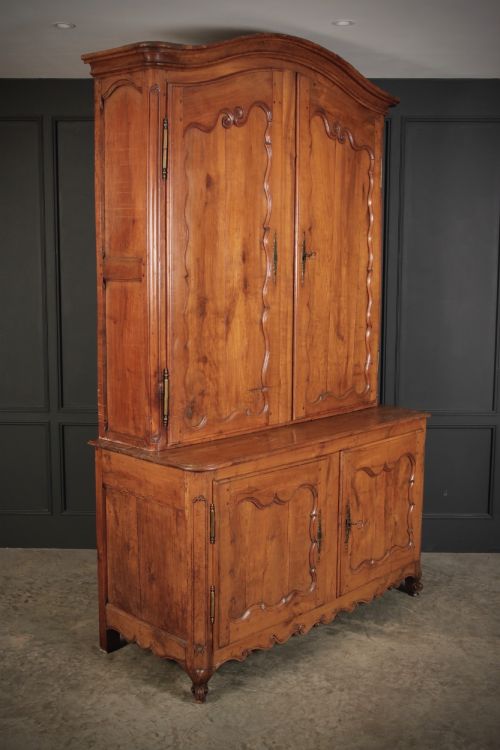

Arch Top Cupboard
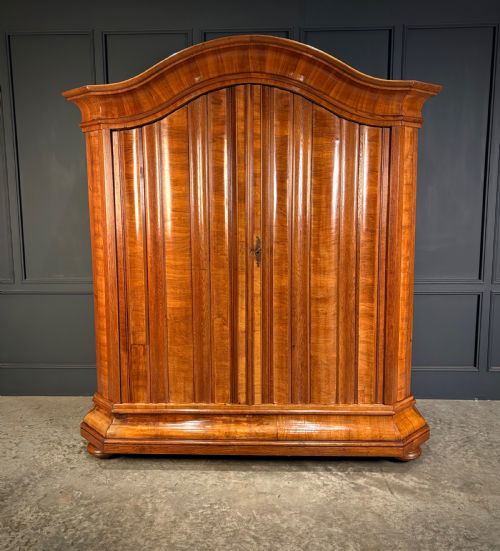
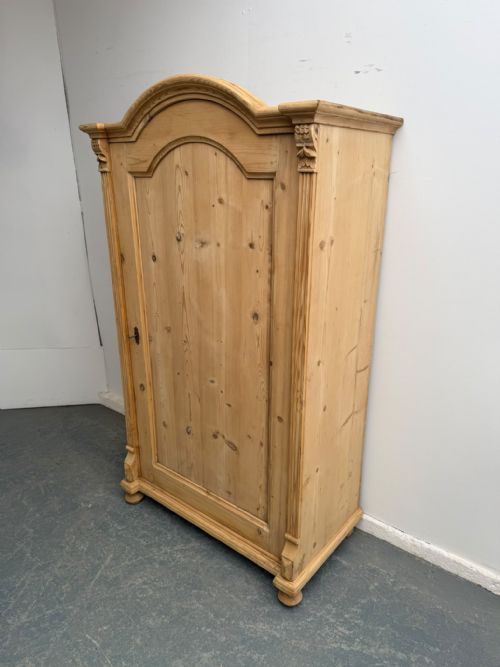
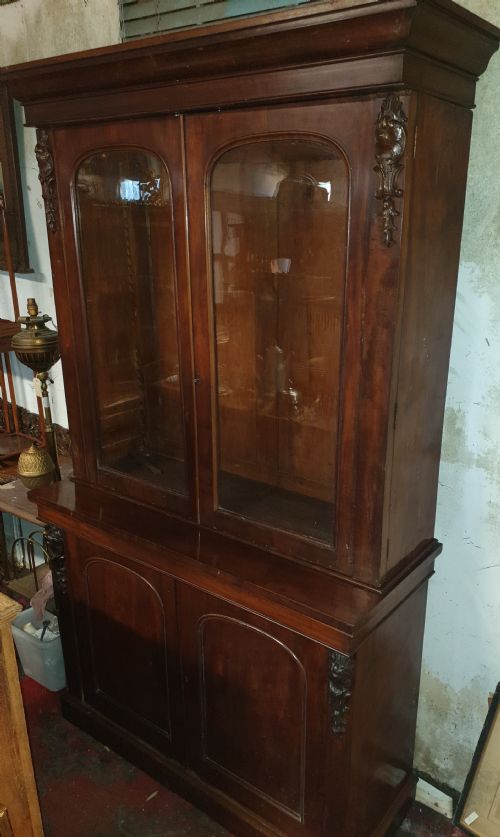
An arch top cupboard brings architectural presence to a room, offering generous storage through a distinctive curved silhouette.
Arch Top Cupboard
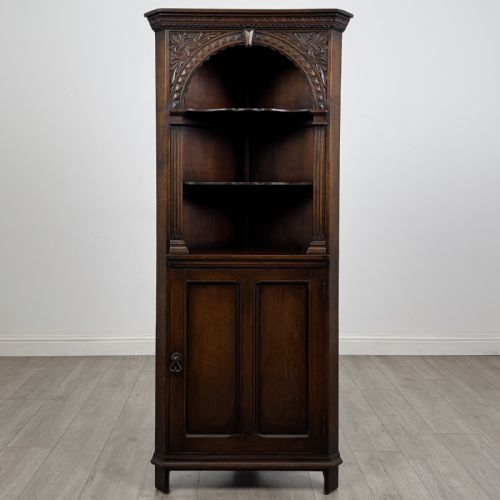
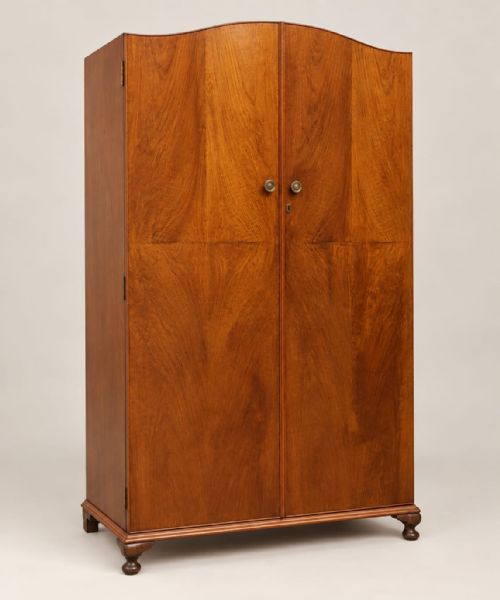
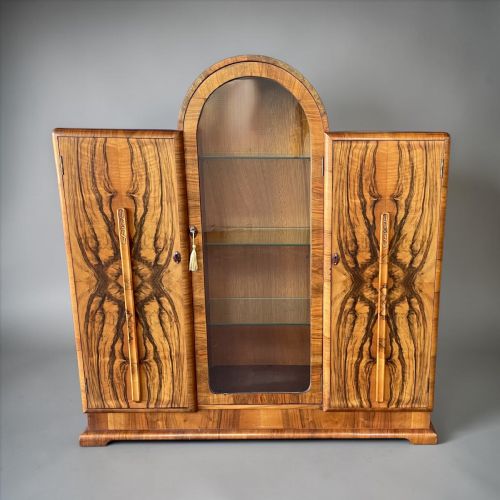
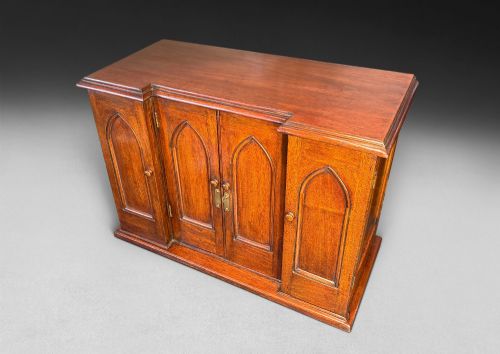
When you search for an arch top cupboard, you encounter a varied selection of storage furniture spanning the eighteenth, nineteenth, and early twentieth centuries. These pieces encompass everything from pine storage units and oak armoires to mahogany pot cupboards and burr walnut display cabinets.
The most common formats on this page are upright storage cupboards in pine or hardwood, alongside corner cabinets and tall display pieces. Makers across different periods utilised the arched crown to soften the rectilinear proportions of domestic storage.
Origins stretch from English country workshops to French provincial makers and Dutch cabinet shops. Each region adapted the characteristic curved header to suit local timbers and domestic requirements.
How they were made
Cabinet makers built these pieces using solid timbers such as oak, mahogany, pine, and cherry, often applying burr walnut or marquetry veneers to statement surfaces. Panels were frequently framed and panelled to accommodate the seasonal movement of wood.
The distinctive curved top required specialist joinery, cutting or steaming the timber to achieve the sweeping arch above the doors. Brass hinges, locks, and glass panes completed the construction of glazed display variants and tall wardrobes.
Arch Top Cupboard Retail Price Guide 2026
Typical asking prices for arch top cupboard among the pieces listed under this phrase on Sellingantiques today, from the lower quarter to the upper quarter. They describe what is for sale here now, not the wider market.
Listings span the eighteenth century to the Art Deco era, incorporating pine, oak, mahogany, and burr walnut across various regional styles.
What varies in quality
The distinction between standard utility storage and finer cabinet work lies in the selection of timbers and the handling of decorative veneers. Walnut burrs and marquetry inlay demand high skill, whereas utilitarian pine pieces rely on robust dovetail joints and clean proportions.
Original hardware, glass, and surface finishes elevate a piece significantly. Alterations to interiors or replacement hardware alter the integrity of older cabinets.
The Arch Top Cupboard Glossary
- Armoire
- A large wardrobe or cupboard, typically featuring double doors and hanging or shelf space within. Continental examples often display bold arched crowns and deep mouldings.
- Vitrine
- A glass-fronted cabinet designed for displaying porcelain, books, or curiosities. These pieces often incorporate glazed arch top doors to showcase collections.
- Marquetry
- The art of applying pieces of veneer to a structure to form decorative patterns. Dutch and English cabinet makers utilised this technique on walnut and fruitwood carcases.
- Pot cupboard
- A small bedside or freestanding cupboard historically designed to house a chamber pot. They frequently appear in mahogany or pine with single doors.
- Tallboy
- A tall chest of drawers or cupboard standing on a base or legs. Burr walnut versions combine vertical storage with decorative grain patterns.
Arch Top Cupboard: Frequently Asked Questions
What is an arch top cupboard?
An arch top cupboard is a storage piece defined by a curved or arched upper frame above the doors. These cabinets range from simple pine storage units to grand walnut armoires.
Cabinet makers across several centuries used this curved silhouette to add height and architectural grace to domestic interiors.
Where should I place a corner cabinet?
Corner cabinets are designed to utilise neglected angles in dining rooms, living spaces, or hallways. They turn dead space into functional display or storage areas.
Glazed versions work well for tableware and books, while solid door cupboards hide everyday items out of sight.
How do I care for antique pine furniture?
Pine furniture benefits from regular dusting with a soft cloth and occasional treatment with natural waxes to nourish the timber. Avoid placing these pieces in direct sunlight or near heat sources.
Many older pine cupboards are finished for waxing or painting, allowing you to adapt the surface to your interior.
How do I date an older wooden cupboard?
Dating involves examining the construction methods, such as hand-cut dovetails, timber species, and type of fixings. Secondary woods inside the piece often provide clues to its origin.
Stylistic markers like Art Deco geometric lines or eighteenth-century marquetry also help place the piece in its correct period.