

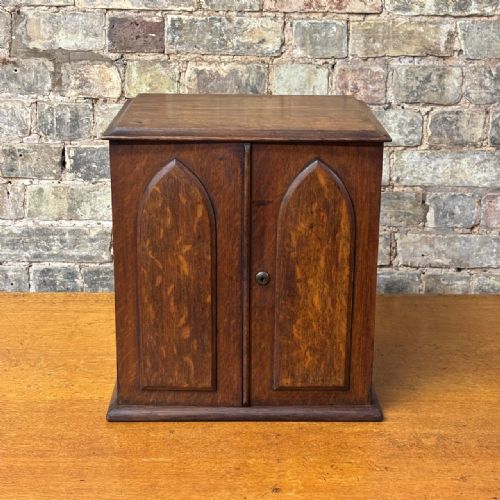


Arch Carved Cabinet
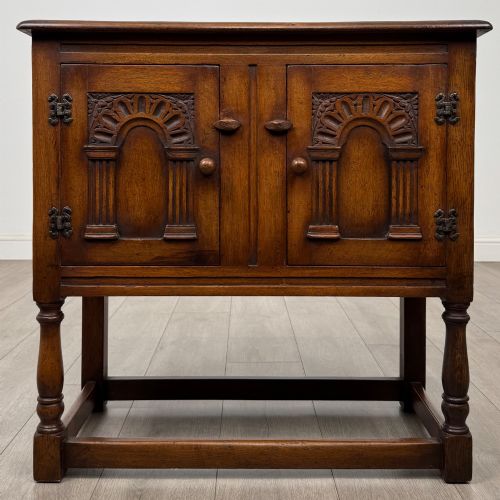
An arch carved cabinet brings architectural depth and solid timber presence into a room, offering both display space and concealed storage.
Arch Carved Cabinet
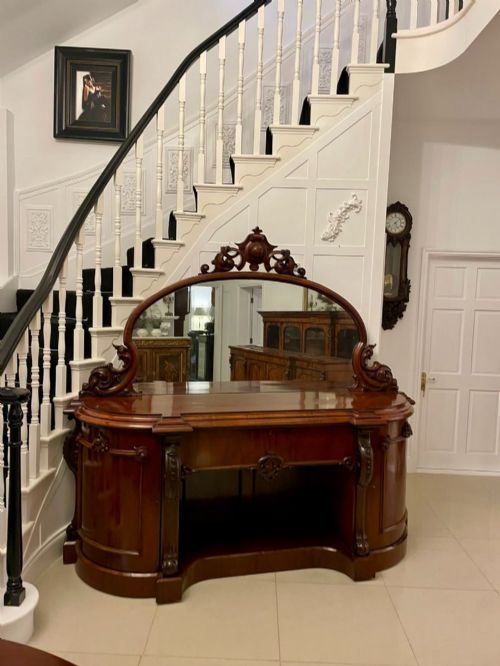
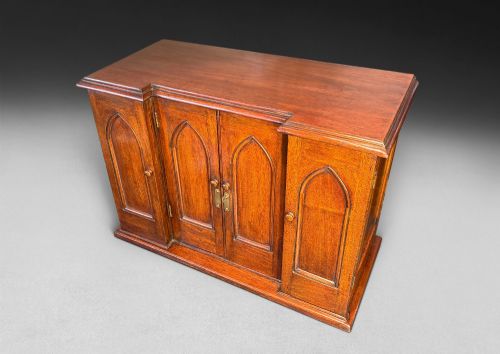
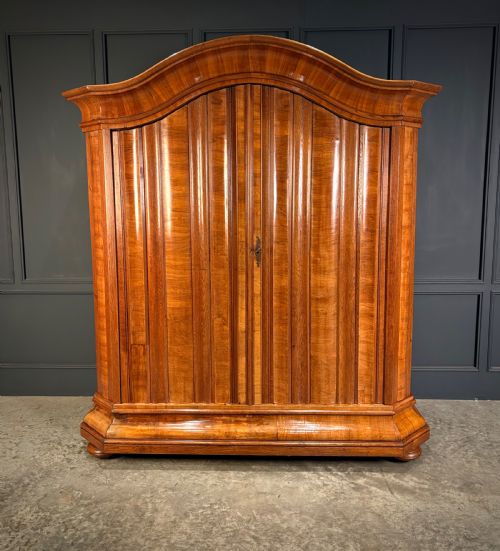
When searching for an arch carved cabinet, you encounter sturdy timber forms ranging from compact table-top collectors' pieces to large armoires and bookcases. These storage items predominantly emerge from the nineteenth century, including Victorian, Edwardian, and earlier revival periods.
The assortment spans diverse regional workshops and continental influences, taking shape as sideboards, linen presses, chiffoniers, and display cupboards. Oak and mahogany serve as the primary woods, often enriched with glass doors, brass hardware, and fabric linings.
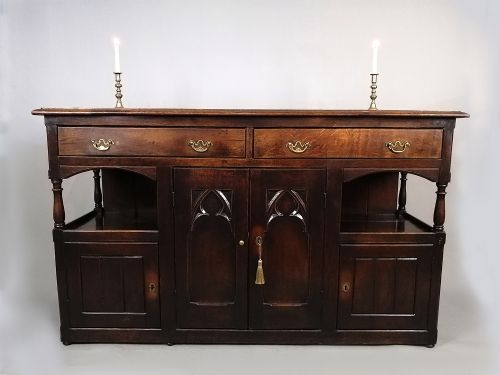
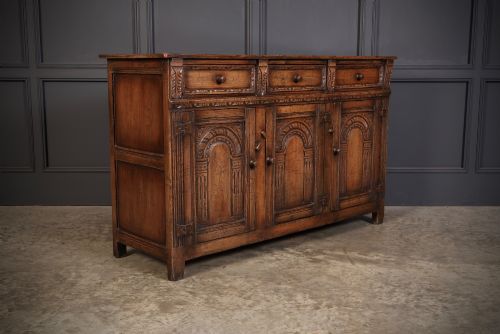
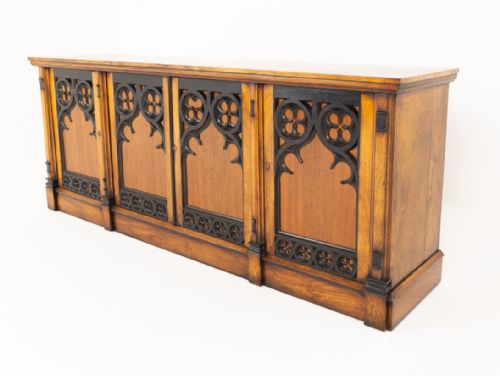
Gothic Revival and Jacobean styles heavily influence the design, alongside French provincial and Arts and Crafts movements. Buyers frequently select these pieces to anchor a dining room, hallway, or study with functional historic character.
Construction and Materials
Cabinet makers relied predominantly on solid oak and mahogany, occasionally incorporating walnut, mahogany veneer, and burr-walnut for decorative contrast. Timber selection dictated the structural integrity, with dense hardwoods chosen to support heavy cornices, panelled doors, and glazed shelving.
Joinery techniques involved precise mortise and tenon framing, hand-carved architectural arches, and applied mouldings that define the period aesthetic. Hardware typically included cast brass handles, escutcheons, and hinges that complemented the grain and colour of the primary wood.
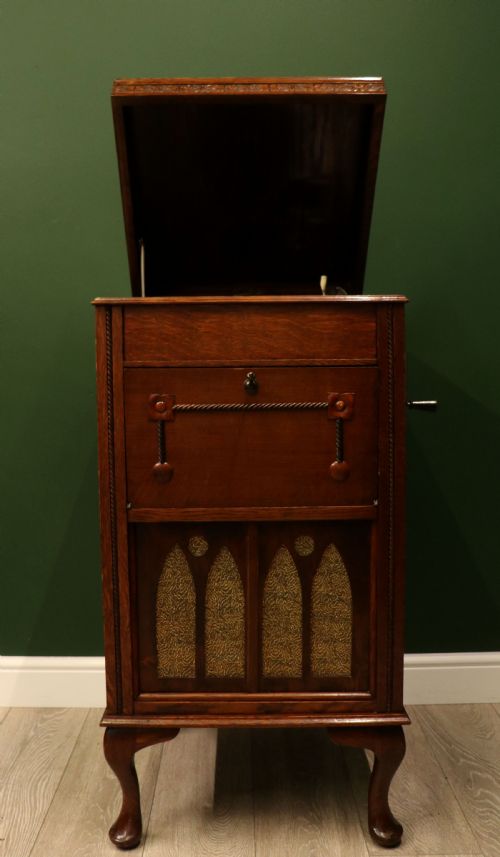
Listings feature oak, mahogany, and walnut cabinets spanning the nineteenth and early twentieth centuries, including Gothic Revival and Arts and Crafts styles.
Assessing Quality
Quality rests upon the crispness of the hand-carved arches and mouldings, alongside the harmonious selection of timber grain across large expanses like doors and side panels. Superior examples exhibit seamless joinery, well-hung panelled doors, and original brass fittings that have aged gracefully alongside the wood.
Depth of design and regional provenance separate standard utility cupboards from finer revival and continental pieces. Architectural proportions, integrated Gothic elements, and well-executed secondary timbers on interior shelving elevate a cabinet within its period range.
Shapland and Petter·U Phone
The Arch Carved Cabinet Glossary
- Chiffonier
- A compact sideboard featuring a lower enclosed cupboard surmounted by a shelf or a mirror back. This form gained popularity during the Victorian era for dining and drawing rooms.
- Liège Cabinet
- A tall, two-part storage piece originating from Belgium, characterised by robust oak construction and ornate carved panels. These cabinets often display distinct continental Baroque or regional stylistic influences.
- Gothic Revival
- An architectural and decorative style that draws inspiration from medieval buildings, featuring pointed arches, tracery, and quatrefoil motifs. This aesthetic heavily influences nineteenth-century woodwork.
- Linen Press
- A tall piece of furniture designed to store folded textiles and garments, featuring sliding trays enclosed by upper doors above a chest of drawers. Oak and mahogany versions are frequently encountered.
- Mahogany Veneer
- A thin layer of highly figured mahogany applied to a secondary wood substrate to create decorative visual patterns. Cabinet makers utilised this technique on prominent surfaces like drawer fronts and doors.
Arch Carved Cabinet: Frequently Asked Questions
Where should I place a cabinet?
These pieces suit living rooms, hallways, and dining spaces where their storage capacity and architectural details can be fully appreciated.
Ensure adequate clearance for swinging panelled or glazed doors before positioning the unit against a wall.
How do I care for antique oak?
Maintain the timber by applying natural beeswax periodically and avoiding direct placement near heat sources or strong sunlight.
Dust regularly with a soft cloth to preserve the natural lustre of the carved surfaces.
What is a chiffonier?
A chiffonier is a lower sideboard style equipped with enclosed cupboards and frequently a raised shelf or mirror back.
Victorian homes utilised these versatile pieces for storing dining silver, linens, and glassware.
How do I identify Gothic elements?
Look for pointed arch carvings, tracery, and quatrefoil panels integrated into the framework of the doors or cornices.
These architectural details reflect the nineteenth-century revival of medieval design principles.