



Apothecary Wall Cabinet
These apothecary wall cabinet examples provide practical storage with period character, offering compact shelving suited for modern interiors.
Apothecary Wall Cabinet
An apothecary wall cabinet combines small-scale storage with period craftsmanship, originating as functional pharmacy or domestic containers for dry goods and remedies. When searching for an apothecary wall cabinet, buyers encounter diverse regional interpretations spanning the eighteenth and nineteenth centuries.
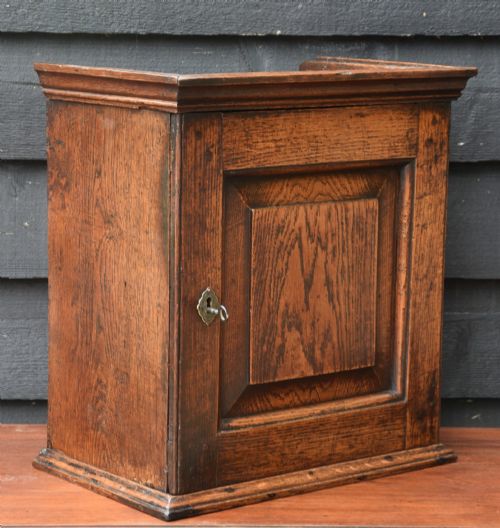
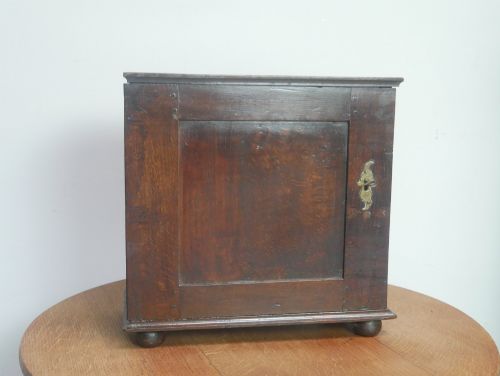
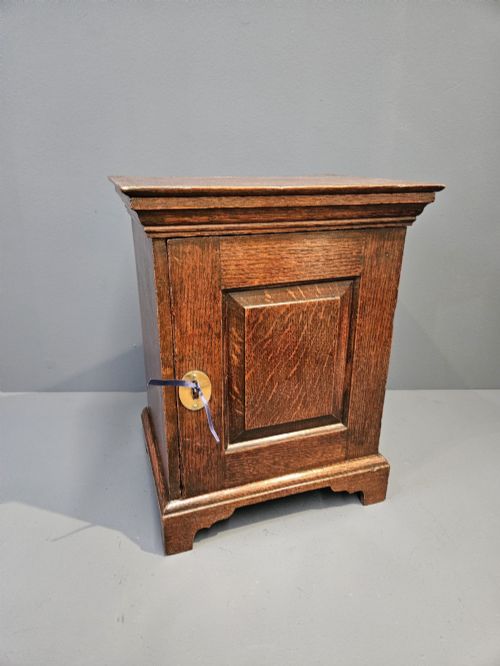
The inventory on this page consists predominantly of oak, pine, and mahogany specimens designed to hang securely upon walls. Forms range from simple spice boxes and small cupboards to architectural George II pieces and provincial pine cabinets.
Geographic origins vary from English workshop traditions to Scandinavian country pieces and French provincial examples. These smaller wall-hanging formats provide accessible period furniture that functions well in kitchens, bathrooms, or hallways.
Materials and construction methods
Makers utilised solid timbers such as oak, pine, and mahogany, often combining woods within a single piece for structural economy. Carcase construction typically involves traditional pegged joints, panelled doors, and period brass hinges.
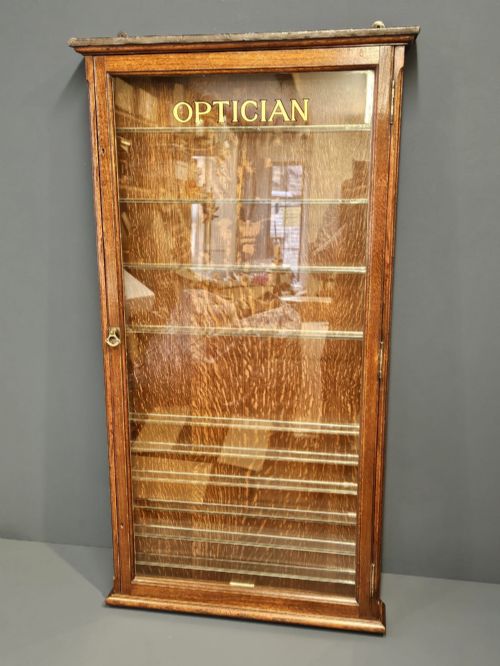
Surfaces display various historic treatments, including natural waxed finishes, old painted layers, and occasional gold leaf details. Glazed doors feature hand-blown glass panes secured with wooden glazing bars within sturdy timber frames.
Apothecary Wall Cabinet Retail Price Guide 2026
Typical asking prices for apothecary wall cabinet among the pieces listed under this phrase on Sellingantiques today, from the lower quarter to the upper quarter. They describe what is for sale here now, not the wider market.
Many historic spice boxes retain the faint, lingering aroma of nutmeg and cloves embedded deep within their old oak panels.
Judging quality in these cabinets
Quality rests upon timber selection, surface patination, and the integrity of original construction. Cabinets retaining untouched timber surfaces and authentic brass hardware display superior character compared to heavily restored pieces.
Proportion and cabinet-making nuance distinguish formal Georgian workshops from simpler country vernacular work. The presence of original locks, keys, and interior arrangement significantly elevates a piece's historical interest.
The Apothecary Wall Cabinet Glossary
- Spice cupboard
- A small wall-mounted timber cabinet traditionally used for storing culinary spices, herbs, or medicinal ingredients. These compact units usually feature a single panelled door enclosing internal shelving or small drawers.
- Patina
- The surface sheen and colour developed on timber through decades of handling, polishing, and natural oxidation. Old patination indicates genuine age and honest preservation.
- Glazing bar
- A narrow wooden strip holding individual panes of glass within a cabinet door. Early examples often exhibit delicate profiles and irregular historic glass.
- Cornice
- The ornamental moulding running around the top edge of a cabinet structure. It provides a finished architectural transition for formal pieces.
- Wall hanging
- Describes furniture built specifically with suspension brackets or flush rear boards intended for mounting off the floor. This space-saving format characterises many regional domestic cabinets.
Apothecary Wall Cabinet: Frequently Asked Questions
Where should I hang an apothecary wall cabinet?
These compact cabinets suit rooms requiring small-scale display storage, such as kitchens, bathrooms, or hallways. Their shallow depth allows them to sit comfortably above work surfaces or side tables without dominating the floor space.
Ensure the wall structure and fixings can support the weight of solid timber carcases, particularly when loading shelves with heavier ceramic or glass objects.
How do I care for historic timber surfaces?
Maintain the wood by applying occasional light coats of quality beeswax rather than modern liquid polishes. Avoid placing cabinets in direct sunlight or near heat sources to prevent timber splitting and shrinkage.
Gentle dusting with a dry microfibre cloth protects the historic finish and preserves the natural patina developed over centuries.
How can I tell a Georgian cabinet from a Victorian one?
Georgian cabinets, particularly those from the mid-eighteenth century, often showcase architectural mouldings, dense oak construction, and subtle proportions aligned with classical design rules. They frequently employ brass H-hinges and simple interior layouts.
Victorian pieces tend to utilise darker timbers like mahogany, occasionally incorporate glazed doors, and display slightly heavier construction details reflecting nineteenth-century domestic requirements.