


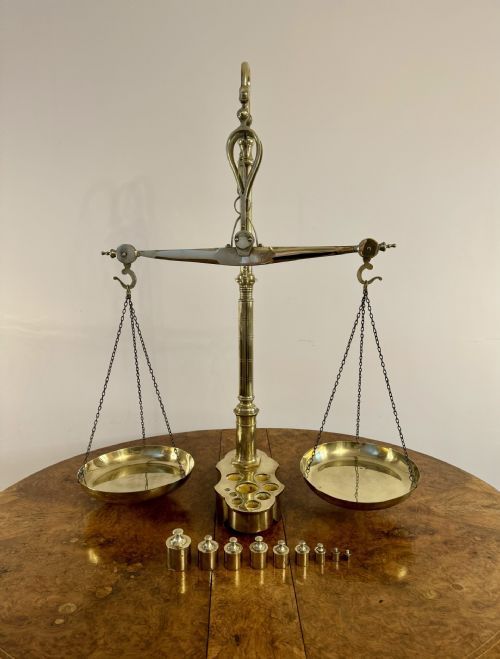


Apothecary Shop Counter
These apothecary shop counter pieces are utilitarian workhorses of retail history, offering exceptional storage and genuine period character for modern interiors.
Apothecary Shop Counter
An apothecary shop counter encompasses multi-drawer banks, display cabinets, and brass balance scales originating primarily from the Victorian and Edwardian eras. Buyers looking for an apothecary shop counter will encounter robust pine shop fittings, banks of drawers, and glazed countertop cabinets designed originally for chemists, drapers, and pharmacies.
The most common forms on this page include large banks of painted pine drawers, often hailing from Hungary or France, alongside mahogany retail display cabinets and brass beam scales. These pieces served practical roles in dispensing medicines and displaying goods, making them substantial additions to contemporary rooms.
Materials and construction
Makers utilised durable timbers such as pine, mahogany, and mixed woods to build these heavy commercial fittings, often finishing them with applied paint in white, cream, or green. Metal elements in iron and copper frequently appear on balance scales and structural brackets.
Apothecary Shop Counter Retail Price Guide 2026
Typical asking prices for apothecary shop counter among the pieces listed under this phrase on Sellingantiques today, from the lower quarter to the upper quarter. They describe what is for sale here now, not the wider market.
An indigo apothecary box survives alongside fifty-drawer Hungarian pine banks, proving that Victorian chemists loved tiny compartments.
Assessing quality and authenticity
The distinction between tiers rests upon original surface treatments and maker attribution rather than mere age alone. Pieces retaining their original painted finishes, whether cream, white, or green, command greater interest than those stripped back or heavily refinished.
Maker marks, such as those by known scale manufacturers, elevate a piece alongside substantial proportions and complex multi-drawer configurations. The integrity of the original glass, hardware, and timber patination ultimately defines the standing of each counter or cabinet.
Parnall and Sons of Bristol
The Apothecary Shop Counter Glossary
- Shop fitting
- Fixtures and furniture built specifically for commercial retail spaces, including counters, shelving units, and drawer banks. These items were constructed to withstand heavy daily use by merchants and apothecaries.
- Bank of drawers
- A large cabinetry unit featuring numerous small compartments or drawers arranged in rows and columns. They were utilised in chemists and drapers for sorting dry ingredients, remedies, and small wares.
- Beam scales
- A weighing instrument utilising a central fulcrum and balancing arms with suspended pans. Victorian examples often incorporate heavy brass construction mounted on wooden bases.
- Countertop display cabinet
- A glazed enclosure designed to sit upon a shop counter to showcase goods securely to customers. These cabinets typically feature wooden frames and glass panels for all-round visibility.
Apothecary Shop Counter: Frequently Asked Questions
What were apothecary shop counters used for?
These counters and drawer banks served as the main workspace in chemist shops and pharmacies for storing dry ingredients, medicinal herbs, and prepared remedies out of sight.
Alongside storage, associated countertop cabinets and glass jars displayed proprietary goods and dispensed items directly to retail customers.
How do I clean a painted pine shop counter?
Maintenance requires only a soft, dry cloth to remove dust from timber surfaces and original painted finishes. Avoid harsh chemical cleaners that might strip or degrade historic paint layers.
Glass panels and apothecary jars benefit from gentle wiping with standard glass cleaner applied to a cloth rather than sprayed directly onto the antique frame.
Are these counters suitable for modern kitchens?
Multi-drawer banks and shop counters integrate well into contemporary kitchens and living spaces as kitchen islands, sideboards, or storage buffets. Their numerous shallow drawers provide practical organisation for utensils, spices, and household linens.
Buyers should measure floor space and ceiling clearances carefully, as these commercial fittings are often deeper and heavier than standard domestic furniture.
How can I tell a Victorian piece from later eras?
Victorian pieces on this page typically date from the nineteenth century, utilising solid pine, mahogany, and traditional hand-cut joinery methods. Surface patination, heavy brass hardware, and original paint finishes often signal this earlier period of commercial manufacture.
Later Edwardian and early twentieth-century examples, including Art Deco items, introduce different proportions, alternative display glass, and updated retail styling suited to twentieth-century shops.