




Antiqued Wooden Table
An antiqued wooden table brings warmth and history to a room, offering practical surface space through centuries of craftsmanship.
Antiqued Wooden Table
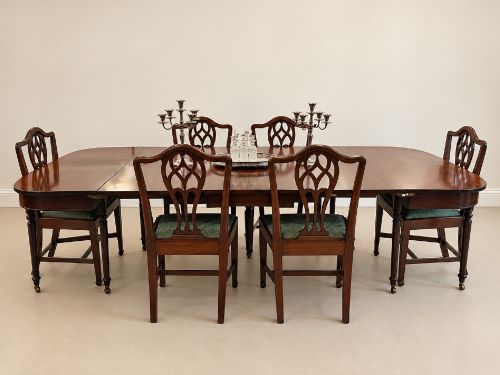
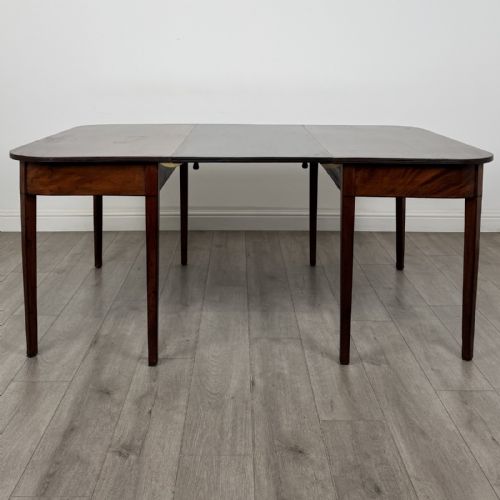
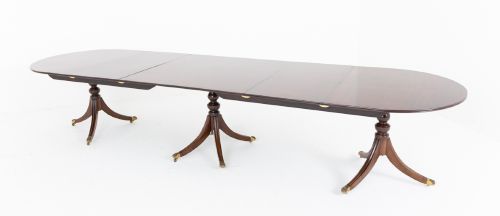
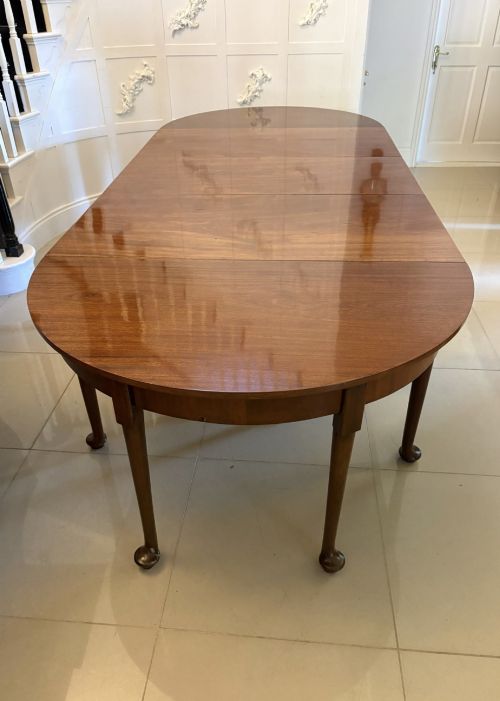
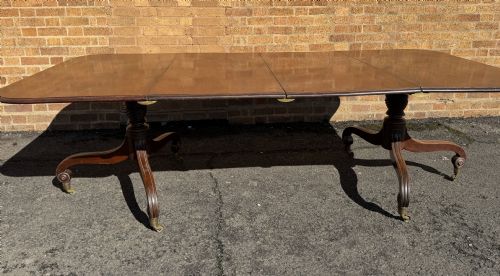
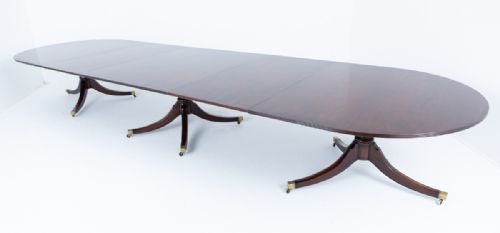
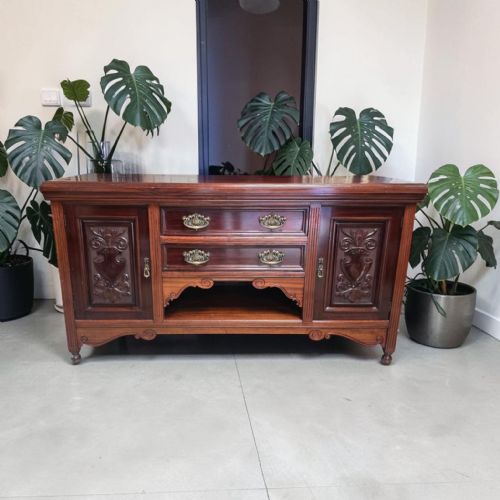
An antiqued wooden table encompasses a broad variety of forms designed for dining, writing, and occasional use across several historical periods. Buyers seeking an antiqued wooden table will encounter pieces ranging from formal Georgian and Victorian furniture to Edwardian occasional tables and country refectory designs.
The materials and styles reflect domestic habits of past centuries, including walnut pedestal desks, mahogany tea tables, and oak farmhouse kitchen tables. These items serve functional roles in modern interiors while retaining the distinct character of their original periods.
Materials and construction
Cabinet makers utilised dense hardwoods such as mahogany, oak, walnut, and cherry wood to construct durable frames and surfaces. Details often incorporate brass handles, leather inserts, glass panels, and intricate inlays of satinwood.
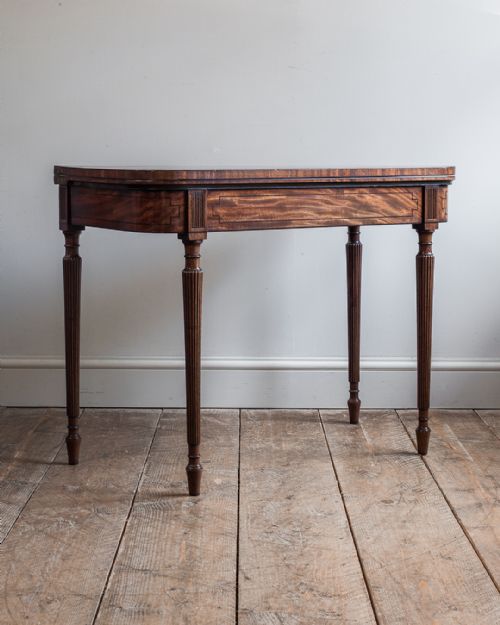
Construction techniques evolved from heavy timber framing in eighteenth-century pieces to refined reeded turned legs and shaped fronts in Victorian and Edwardian examples. Joinery relied on traditional methods designed to withstand decades of daily domestic use.
Antiqued Wooden Table Retail Price Guide 2026
Typical asking prices for antiqued wooden table among the pieces listed under this phrase on Sellingantiques today, from the lower quarter to the upper quarter. They describe what is for sale here now, not the wider market.
Several tables show dedicated spaces for past pastimes, including folding card surfaces, roulette layouts, and specialised stands for holding sheet music.
Distinguishing quality
The grade of timber selection heavily influences a piece, with figured burr walnut and Cuban mahogany representing finer examples of material choice. Superior items demonstrate precise attention to detail in carved stretchers, raised galleries, and matched wood grain veneers.
Proportion and structural integrity define the upper tier of these furnishings. Pieces that maintain balanced lines, original hardware, and uncompromised joinery stand apart from simpler utilitarian variations.
The Antiqued Wooden Table Glossary
- Lowboy
- A small eighteenth-century English table with one or more drawers, typically supported on four tall legs. These pieces were often used as dressing tables or side tables in refined chambers.
- Refectory table
- A long dining table traditionally used in monastic refectories and later adapted for domestic dining. They feature robust timber construction connected by sturdy floor stretchers.
- Quartetto nest
- A set of four graduating tables designed to fit neatly beneath one another when not in use. Edwardian cabinet makers favoured this space-saving form using inlaid satinwood and mahogany.
- Pedestal desk
- A large free-standing writing table supported by two pedestals containing banks of drawers. Victorian examples frequently combined walnut timber with inset leather writing surfaces.
- Gallery
- A raised wooden or brass rail positioned around the top edge of a table or stand. This feature prevented items from rolling off the surface.
Antiqued Wooden Table: Frequently Asked Questions
How do I care for an old wooden table?
Maintain the timber by avoiding direct sunlight and excessive heat fluctuations which can dry out the wood. Regular dusting with a soft cloth and occasional application of appropriate wax helps preserve the polished finish.
Protect the surface from moisture by using coasters and placemats. Gentle handling ensures the historical patina remains intact for years to come.
Can I use an antique table for daily dining?
Many larger timber tables, such as Victorian extending dining tables and oak refectory tables, were built for robust daily use. Their sturdy construction handles regular family meals comfortably.
For more delicate occasional tables or tea tables, limit use to decorative display or light service. Assessing the leg clearance and overall stability helps determine suitability for everyday dining.
How do I identify the period of a table?
Examine the timber species, joinery methods, and hardware to determine the likely era of manufacture. Georgian furniture often displays rich mahogany and restrained classical lines, while Victorian pieces tend towards heavier burr walnut and elaborate turning.
Cross-referencing these physical traits with known design styles like Edwardian inlay or Art Deco geometry helps narrow down the production date.
What is the difference between a side table and an occasional table?
A side table typically serves a semi-permanent function against a wall, often featuring drawers or a lower shelf for storage. They were common in hallways and formal reception rooms.
An occasional table is generally lighter and designed to be moved around a room as needed for specific tasks. Edwardian versions frequently included lamp tables and quartetto nests for flexible placement.