




Antique Yomut Carpet
When you handle an antique yomut carpet, you touch the nomadic weaving traditions of Central Asian steppes through dense tribal wool and historic motifs.
Antique Yomut Carpet
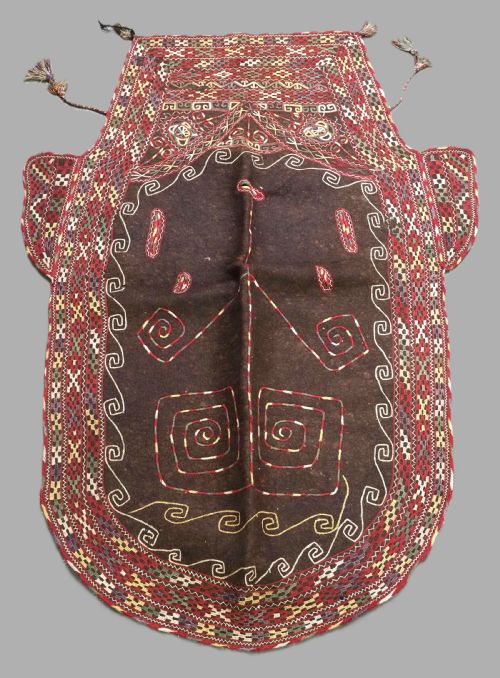
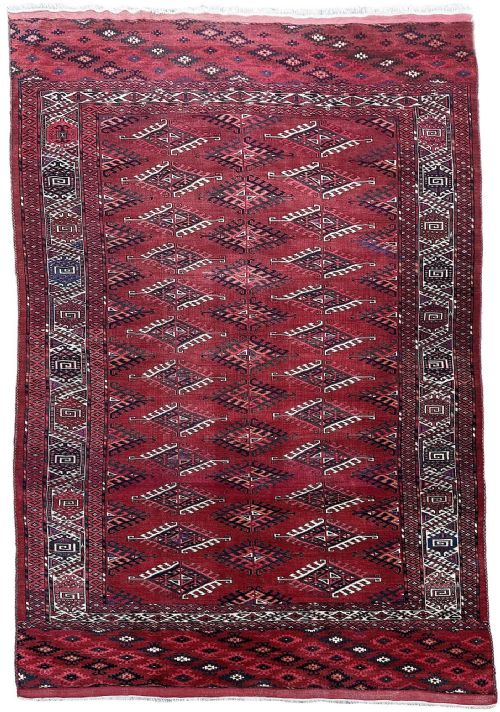
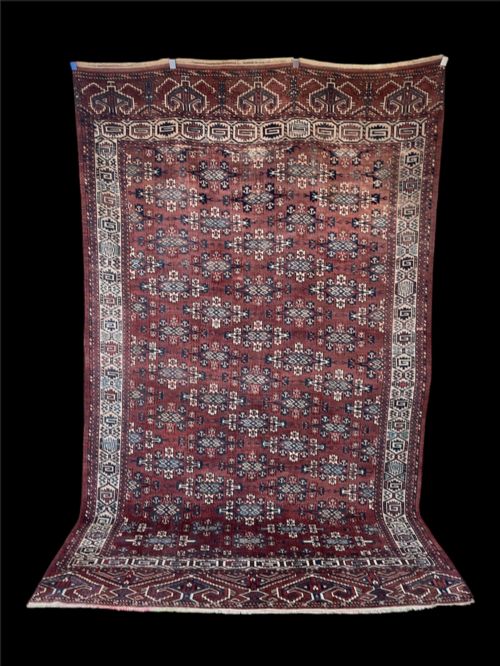
An antique yomut carpet represents the textile heritage of Turkmen nomadic groups originating from the Trans-Caspian steppes. These pieces encompass large main carpets, smaller rugs, and functional domestic items created for tribal life.
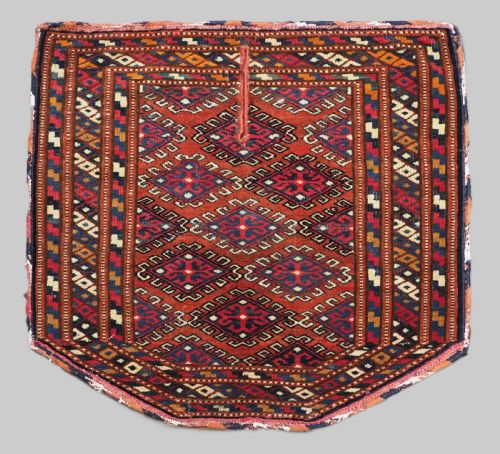
Buyers encounter diverse formats beyond standard floor coverings, including storage bags like chuvals and torbas, asmalyks, ensis, and horse covers. The most common survivals date from the nineteenth century into the early twentieth century.
The aesthetic is rooted in Turkmen tribal design, characterised by geometric organisation and repeating motifs such as the kepse gul, dyrnak gul, and lattice patterns. These textiles served both practical functions in nomadic dwellings and ceremonial roles within the tribe.
Wool, Dyes, and Flatweave Techniques
Construction relies heavily on hand-spun wool for pile yarns, combined with cotton or wool foundations and supplementary threads of cotton, silk, and felted wool. Artisans utilised natural dyes to achieve deep saturated colour palettes across the woven surface.
Production techniques range from full pile knots to flatweave structures, soumak work, and embroidered felt. Specialised items incorporate structural elements like soumak kilim ends and plain weave backs.
Antique Yomut Carpet Retail Price Guide 2026
Typical asking prices for yomut carpet among the pieces listed under this phrase on Sellingantiques today, from the lower quarter to the upper quarter. They describe what is for sale here now, not the wider market.
Listings feature pieces spanning the nineteenth century through the early twentieth century, utilising hand-spun wool, cotton, and natural dyes.
Material Purity and Structural Precision
Quality in these textiles depends upon the fineness of the knotting and the clarity of the drawn motifs. Tighter structures and precise geometric execution separate standard domestic items from finer tribal examples.
The integrity of the natural dyes and the quality of the hand-spun wool dictate the visual depth of the surface. Surviving structural details, such as complete kilim ends and original tassels, also influence the standing of the piece.
The Antique Yomut Carpet Glossary
- Gul
- A primary octagonal or repeating medallion motif used in Turkmen carpets. Each tribal group utilised distinct gul variations to signify lineage.
- Chuval
- A large tent storage bag produced by nomadic tribes. These pieces were utilised for household storage and feature decorated face panels.
- Torba
- A smaller storage bag compared to the chuval, often hung within the yurt. They display similar tribal iconography and banded designs.
- Ensi
- A tribal door rug designed to hang at the entrance of a yurt. They typically feature a partitioned field and a distinct candelabra or tree motif.
- Asmalyk
- A pentagonal ceremonial trapping made for camel sides during wedding processions. These decorative items are collected as textile art.
- Soumak
- A flatweave technique wrapping weft threads over warp threads in a continuous brocade-like structure. It produces a sturdy textile with a textured surface.
Antique Yomut Carpet: Frequently Asked Questions
How do I identify a yomut carpet?
Look for specific tribal motifs such as the kepse gul or dyrnak gul within geometric layouts. The palette and wool characteristics align with Turkmen nomadic production from the nineteenth and early twentieth centuries.
Examination of the fringe, ends, and structural weave further distinguishes these pieces from other Central Asian tribal traditions.
What were chuvals and torbas used for?
Nomadic families utilised chuvals and torbas as practical storage sacks inside tents for bedding, clothing, and household goods. Their structured forms kept belongings organised in a portable dwelling environment.
Today, collectors often repurpose these smaller bags as wall art due to their intricate face designs and manageable proportions.
How should I care for an antique tribal rug?
Protect the wool textile by placing it in areas away from direct sunlight to preserve natural dye integrity. Regular gentle vacuuming without a beater bar prevents dust accumulation in the pile.
Consult a specialist in antique textiles for professional cleaning rather than attempting wet washing at home.
What is an asmalyk used for?
An asmalyk functioned as a decorative trapping mounted on the flanks of a camel during traditional Turkmen wedding ceremonies. These pentagonal pieces formed part of the festive bridal procession display.
Their specific shape and fine pile construction make them distinct collector items within Turkmen weaving.